Legislative Activity
Track Donald's sponsored bills, co-sponsored legislation, and voting record
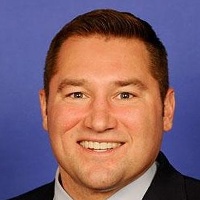
This bill reauthorizes funding for programs supporting the mental health and treatment of officers in crisis for an additional five years, from 2025 through 2029.
Guy Reschenthaler
Representative
PA
Guy Reschenthaler
Representative
PA
The Reauthorizing Support and Treatment for Officers in Crisis Act of 2025 extends crucial federal funding for programs supporting law enforcement officers in crisis. This bill specifically reauthorizes existing support and treatment initiatives for an additional five years, running from 2025 through 2029. It ensures continued resources are available for officers needing mental health and wellness assistance.
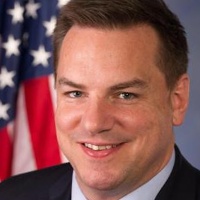
The RESULTS Act reforms how Medicare determines payment rates for clinical diagnostic laboratory tests by mandating the use of comprehensive, real-world private payor claims data collected from an independent entity.
Richard Hudson
Representative
NC
Richard Hudson
Representative
NC
The Reforming and Enhancing Sustainable Updates to Laboratory Testing Services Act of 2025 (RESULTS Act) aims to improve Medicare payment rates for clinical lab tests by mandating the collection of more accurate, real-world payment data directly from large, independent private insurance claims databases. This legislation updates definitions, collection timelines, and calculation methods to ensure Medicare payments for widely available tests reflect current market rates. It also establishes default payment rules if sufficient private payor data cannot be secured.
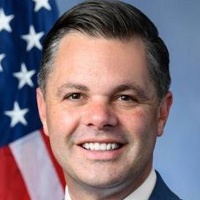
This Act authorizes the Secretary to restore disaster-damaged agricultural watersheds to a condition better than pre-disaster levels for long-term protection.
Zachary (Zach) Nunn
Representative
IA
Zachary (Zach) Nunn
Representative
IA
The Protecting Farmers from Natural Disasters Act of 2025 amends existing law to grant the Secretary of Agriculture greater flexibility in restoring disaster-damaged watersheds. This change allows the Secretary to restore areas to a condition better than pre-disaster levels if it ensures long-term watershed health. The bill focuses on proactive, improved recovery efforts following natural disasters.
This resolution recognizes suicide as a serious public health crisis and expresses support for designating September as National Suicide Prevention Month and September 10, 2025, as World Suicide Prevention Day.

Shri Thanedar
Representative
MI
Shri Thanedar
Representative
MI
This resolution officially recognizes suicide as a serious public health crisis in the United States, highlighting the urgent need for prevention efforts across all demographics. It expresses strong support for designating September as "National Suicide Prevention Month" and September 10th as "World Suicide Prevention Day" to raise awareness. The measure calls for prioritizing comprehensive, tailored strategies to improve access to mental health and suicide prevention services nationwide.
The RESTORE Act of 2025 removes federal restrictions that prevent individuals with certain drug-related convictions from accessing TANF and SNAP benefits, and expands SNAP eligibility for those nearing release from incarceration.

Steve Cohen
Representative
TN
Steve Cohen
Representative
TN
The RESTORE Act of 2025 aims to improve re-entry support by removing barriers to essential aid for individuals with past drug-related convictions. This legislation voids state restrictions that prevent eligible individuals from receiving Temporary Assistance for Needy Families (TANF) and Supplemental Nutrition Assistance Program (SNAP) benefits based on these convictions. Additionally, it allows individuals scheduled for release within 30 days to be counted in SNAP household determinations.
This bill establishes a Department of Defense program to support and expand domestic bioindustrial manufacturing capacity for critical products.
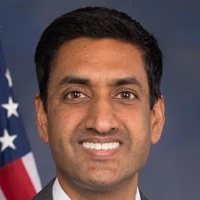
Ro Khanna
Representative
CA
Ro Khanna
Representative
CA
This bill establishes a Department of Defense program to support and expand domestic bioindustrial manufacturing capacity for critical products. The program will provide competitive awards to private companies to build, update, or retool U.S. facilities for commercial-scale biomanufacturing. Selections will prioritize strengthening supply chains, meeting future military needs, and ensuring facility flexibility. This initiative aims to secure the nation's access to essential biomanufactured goods for the next decade.
This Act enables states to establish specialized Medicaid health homes for individuals with sickle cell disease, mandating dental and vision coverage for enrollees.
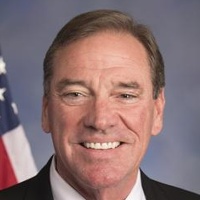
Neal Dunn
Representative
FL
Neal Dunn
Representative
FL
The Sickle Cell Disease Comprehensive Care Act enables states to establish specialized Medicaid health homes focused exclusively on individuals with sickle cell disease starting in 2026. If a state adopts this program, it must provide mandatory dental and vision coverage to enrolled patients, regardless of standard state Medicaid policies. States implementing these health homes will also be required to report on patient outcomes, access to care, and expenditures.
This bill authorizes the Secretary of Defense to establish a program supporting the development and integration of biotechnology into the defense supply chain to enhance resiliency and readiness.
Ro Khanna
Representative
CA
Ro Khanna
Representative
CA
This bill authorizes the Secretary of Defense to establish a program supporting the defense biotechnology supply chain. The program aims to strengthen military readiness by developing and scaling up promising bio-based materials, fuels, and chemicals from military research. It focuses on reducing reliance on vulnerable foreign supply lines through applied research, prototyping, and public-private partnerships. The authority to run this program will automatically expire ten years after enactment unless extended by the President.
This bill directs the Chairman of the Joint Chiefs of Staff to study the feasibility of integrating militarily relevant applications of emerging biotechnology into military wargaming exercises.
Ro Khanna
Representative
CA
Ro Khanna
Representative
CA
This bill directs the Chairman of the Joint Chiefs of Staff to conduct a feasibility study on integrating militarily relevant applications of emerging biotechnology into military wargaming exercises. The study must assess how new biotech could affect soldier capabilities, strategic materials, and potential adversary use. The resulting report, due within 180 days, will recommend necessary updates to ensure wargames reflect current and future technological realities.
This bill directs the Department of Defense to issue guidance for private entities on demonstrating how their biobased products meet military requirements and mandates a review of current DoD procurement processes to ensure they do not exclude such products.
Ro Khanna
Representative
CA
Ro Khanna
Representative
CA
This bill directs the Department of Defense (DoD) to establish clear guidance for private entities on how to demonstrate that their biobased products meet military requirements. It also mandates an audit by the Comptroller General to review DoD procurement standards for any unintentional exclusion of biobased products. The goal is to ensure fair evaluation and increase the adoption of biologically derived products within the DoD supply chain.
This bill extends enhanced financial assistance for purchasing health insurance through the Marketplace until the end of 2026.
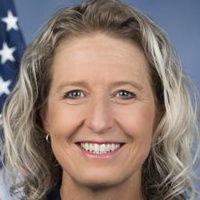
Jennifer Kiggans
Representative
VA
Jennifer Kiggans
Representative
VA
The Bipartisan Premium Tax Credit Extension Act extends the enhanced financial assistance available for purchasing health insurance through the Marketplace. This legislation pushes the expiration date for these boosted premium tax credits, including those for higher earners, from the end of 2025 through the end of 2026. Essentially, it ensures continued, robust subsidies for Marketplace health coverage.
The FEMA Act of 2025 establishes FEMA as an independent, cabinet-level agency and enacts sweeping reforms across public assistance, individual aid, and mitigation programs to speed up recovery and increase transparency.
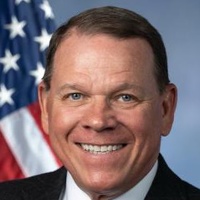
Sam Graves
Representative
MO
Sam Graves
Representative
MO
The FEMA Act of 2025 establishes the Federal Emergency Management Agency (FEMA) as an independent, cabinet-level agency to lead a unified, all-hazards approach to national emergency management. The bill enacts sweeping reforms across Public Assistance, Individual Assistance, and Mitigation programs to accelerate recovery, streamline funding, and reduce bureaucratic hurdles for disaster survivors and communities. Furthermore, it mandates significant new transparency measures, including public data reporting and GAO oversight, to ensure accountability for federal disaster spending.
The Greyhound Protection Act of 2025 bans commercial greyhound racing, live lure training, and open field coursing nationwide starting in late 2027 due to documented animal welfare concerns.
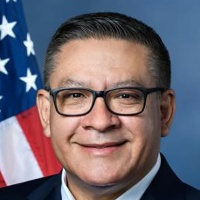
Salud Carbajal
Representative
CA
Salud Carbajal
Representative
CA
The Greyhound Protection Act of 2025 seeks to end commercial greyhound racing and related cruel training practices nationwide by October 1, 2027. This legislation bans all forms of wagering on greyhound races and prohibits the use of live animals for training or coursing events. Violators face significant fines and potential imprisonment under the strengthened Animal Welfare Act. The bill reflects concerns over widespread animal injuries, drug use, and inhumane confinement within the declining industry.
This bill establishes a mandatory supply fee paid by Medicare drug plans to long-term care pharmacies for specific prescriptions in 2026 and 2027, while also mandating a GAO study on the financial sustainability of the current payment system.
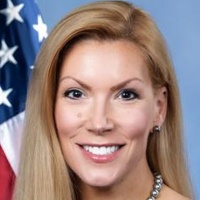
Beth Van Duyne
Representative
TX
Beth Van Duyne
Representative
TX
This Act establishes a mandatory supply fee for Medicare drug plans to pay long-term care pharmacies for specific prescriptions dispensed in 2026 and 2027. The bill mandates a $30 fee per prescription in 2026, increasing in 2027, with penalties for non-payment. Additionally, the GAO is required to study the financial sustainability of the current payment structure for these essential pharmacies. This legislation aims to ensure continued access to medications for patients in long-term care settings.
The FORWARD Act allows eligible retired or disabled military personnel to contribute to their Thrift Savings Plan (TSP) using their retirement or disability pay.
Jennifer Kiggans
Representative
VA
Jennifer Kiggans
Representative
VA
The FORWARD Act expands eligibility for retired or disabled military personnel to contribute to the Thrift Savings Plan (TSP) using their military retirement or disability pay. This provision allows eligible former service members to make contributions, though these deposits will not receive any government matching funds. The relevant agencies have 180 days to establish the necessary regulations for this new option.
The CARE for Children Act officially recognizes and funds "cottage family homes" as a new option for foster care placements, ensuring they meet strict standards for child well-being and family connection.
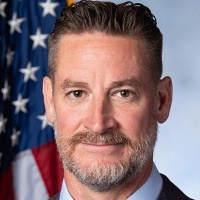
W. Steube
Representative
FL
W. Steube
Representative
FL
The Create Accountable Respectful Environments (CARE) for Children Act officially recognizes and integrates "cottage family homes" into federal foster care regulations. This allows these specialized homes to receive federal maintenance payments if they meet strict standards focused on family connection, trauma-informed care, and prohibiting harmful restraints. The bill ensures states maintain flexibility in utilizing these placements while upholding high standards for child well-being.
The Rural Housing Service Reform Act of 2025 streamlines administrative processes, preserves existing rural rental housing, expands access to repair loans, establishes new community development grants, and mandates reporting to improve the efficiency and transparency of USDA rural housing programs.
Zachary (Zach) Nunn
Representative
IA
Zachary (Zach) Nunn
Representative
IA
The Rural Housing Service Reform Act of 2025 aims to modernize and stabilize rural housing programs across the nation. It streamlines administrative processes, establishes permanent protections for existing affordable rental housing, and improves access to repair loans for low-income homeowners. Furthermore, the bill creates new grant opportunities for local development and mandates greater transparency and efficiency in the application review process.
This bill increases the maximum loan size and construction allowance, while extending the authorization period for the Rural Microentrepreneur Assistance Program through 2030.
Zachary (Zach) Nunn
Representative
IA
Zachary (Zach) Nunn
Representative
IA
The Rural Microentrepreneur Assistance Program Act of 2025 significantly enhances support for small rural businesses. This bill increases the maximum loan size from $\$50,000$ to $\$75,000$ and extends the program's authorization period through 2030. It also modifies rules regarding how loan funds can be used for construction and real estate improvements.
This Act establishes a multi-sector Task Force, led by the Treasury Secretary, to study, recommend strategies for, and report on preventing evolving electronic payment scams.
Zachary (Zach) Nunn
Representative
IA
Zachary (Zach) Nunn
Representative
IA
The Taskforce for Recognizing and Averting Payment Scams Act (TRAPS Act) establishes a new Task Force led by the Secretary of the Treasury. This diverse group, including federal agencies, industry experts, and consumer advocates, will study evolving payment scams. The Task Force is charged with developing cross-sector prevention strategies and submitting comprehensive recommendations for new laws and improved coordination to combat these fraudulent activities.
This resolution designates the week of August 3 through August 9, 2025, as "National Farmers Market Week" to recognize the vital economic, community, and health contributions of farmers markets.
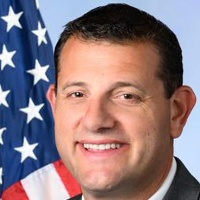
David Valadao
Representative
CA
David Valadao
Representative
CA
This resolution officially designates the week of August 3 through August 9, 2025, as "National Farmers Market Week." It recognizes the vital role farmers markets play in supporting local economies, increasing access to healthy food, and connecting communities. The designation aims to shine a spotlight on the significant contributions these markets make nationwide.