Legislative Activity
Track Byron's sponsored bills, co-sponsored legislation, and voting record
This resolution condemns the persecution of Christians in Nigeria and supports decisive U.S. action to end the existential threat they face.
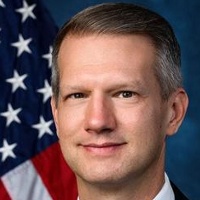
Riley Moore
Representative
WV
Riley Moore
Representative
WV
This resolution condemns the severe, ongoing persecution and mass killing of Christians in Nigeria by terrorist groups and militants. It criticizes the Nigerian government for failing to protect its Christian citizens and for enforcing blasphemy laws. Finally, Congress stands ready to support decisive action, including sanctions, to end this existential threat and calls for direct humanitarian aid to victims.
This bill impeaches Chief Judge James E. Boasberg for allegedly authorizing improper nondisclosure orders that infringed upon the legislative duties of several Members of Congress.
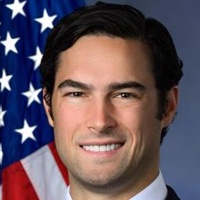
Brandon Gill
Representative
TX
Brandon Gill
Representative
TX
This resolution initiates impeachment proceedings against Chief Judge James E. Boasberg of the U.S. District Court for the District of Columbia for high crimes and misdemeanors. The core allegation is that Judge Boasberg improperly authorized nondisclosure orders related to an FBI investigation that covered Members of Congress acting under their legislative duties. These actions are cited as compromising the separation of powers and violating existing federal statute regarding notification of legal process. The resolution calls for the judge's removal from office based on these alleged improprieties.
This resolution expresses the sense of the House to accept and prominently display a statue honoring Charles "Charlie" James Kirk for his legacy of free expression and civic leadership.
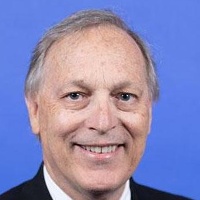
Andy Biggs
Representative
AZ
Andy Biggs
Representative
AZ
This resolution expresses the sense of the House of Representatives that a statue honoring Charles "Charlie" Kirk should be accepted and permanently displayed in the U.S. Capitol. It recognizes Mr. Kirk for founding Turning Point USA and promoting principles of free expression, civic leadership, and limited government. The bill mandates that the statue be accepted by the Fine Arts Board no later than January 2, 2027, to commemorate his legacy.
This bill revokes tax-exempt status under section 501(c)(3) for the Council on American-Islamic Relations and any organization found to have ties to terrorism.
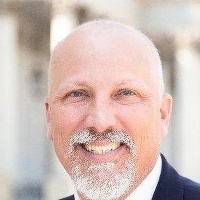
Chip Roy
Representative
TX
Chip Roy
Representative
TX
This bill, the "No Tax Exemptions For Terror Act," proposes to revoke the tax-exempt status under section 501(c)(3) of the Internal Revenue Code for the Council on American-Islamic Relations and any other organization found to have ties to terrorism or terrorist organizations. This change would apply to all future taxable years.
The SAFE Drivers Act mandates that all commercial driver's license applicants and renewal candidates must pass a standardized English proficiency test approved by the FMCSA.
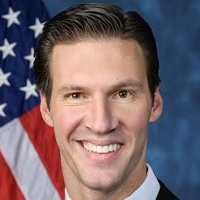
Pat Harrigan
Representative
NC
Pat Harrigan
Representative
NC
The SAFE Drivers Act mandates that all applicants for a Commercial Driver's License (CDL) or learner's permit must pass a standardized English proficiency test approved by the FMCSA. This requirement applies immediately upon the bill's enactment for all new and renewing applicants. States are responsible for administering the test, and failure to comply with these new federal oversight rules may result in the withholding of federal highway funding.
This act codifies Executive Order 14330 to permanently allow 401(k) plans access to alternative investment assets.
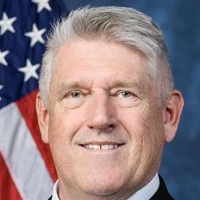
Troy Downing
Representative
MT
Troy Downing
Representative
MT
The Retirement Investment Choice Act aims to permanently establish the rules set forth in Executive Order 14330 into federal law. This action codifies the executive order, which focuses on democratizing access to alternative assets within 401(k) retirement plans. By enacting this into statute, the bill ensures these investment options remain available to plan participants regardless of future executive actions.
This bill denies or revokes all immigration benefits for individuals adhering to Sharia law, making them inadmissible or deportable without judicial review.
Chip Roy
Representative
TX
Chip Roy
Representative
TX
The Preserving a Sharia-Free America Act aims to prohibit any individual who adheres to Sharia law from receiving immigration benefits, visas, or admission into the United States. This legislation mandates the denial or revocation of immigration status for adherents, making them inadmissible or deportable. Furthermore, any false statements regarding Sharia adherence to federal officials will result in severe immigration penalties, and all related determinations are explicitly barred from judicial review.
This Act allows civil lawsuits against judges who intentionally disregard public safety through their bail or sentencing decisions.
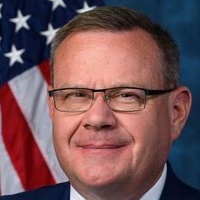
Tim Moore
Representative
NC
Tim Moore
Representative
NC
The Judicial Accountability for Public Safety Act of 2025 establishes a new civil cause of action allowing individuals to sue judges for serious harm resulting from decisions made with intentional disregard for public safety or gross negligence during bail or sentencing hearings. This law specifically targets egregious judicial conduct and removes standard judicial immunity protections for claims brought under this new section. The Act carefully defines key terms like "judicial officer" and sets a high bar for proving liability, requiring "clear and convincing evidence" of misconduct.
This act establishes a structured, multi-phase apprenticeship program allowing drivers under 21 to operate commercial motor vehicles in interstate commerce under strict supervision and specific vehicle requirements.
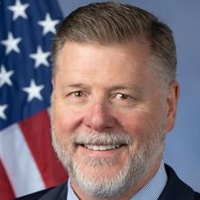
Eric Crawford
Representative
AR
Eric Crawford
Representative
AR
The Developing Responsible Individuals for a Vibrant Economy Act (DRIVE-SAFE Act) establishes a structured apprenticeship program allowing drivers under 21 to operate commercial motor vehicles in interstate commerce. This program requires apprentices to complete 400 hours of supervised training, divided into two probationary phases focusing on foundational and advanced driving skills. Participation mandates specific vehicle technology, such as automatic transmissions and collision mitigation systems, and continuous supervision by an experienced driver.
This bill authorizes the creation and sale of a limited-edition, silver one-dollar commemorative coin honoring the late activist Charles "Charlie" Kirk.
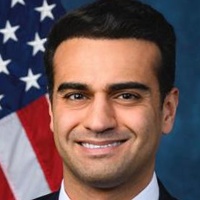
Abraham Hamadeh
Representative
AZ
Abraham Hamadeh
Representative
AZ
This bill authorizes the Secretary of the Treasury to mint and issue up to 400,000 special one-dollar silver commemorative coins honoring the late activist Charles "Charlie" Kirk. The coins must feature his likeness on the obverse and the inscription "well done, good and faithful servant" on the reverse. All costs associated with the production and sale of these coins must be covered by the revenue generated, ensuring no net cost to the U.S. Treasury.
The Fraud Accountability and Recovery Act requires the President to halt foreign aid to countries that refuse to extradite fraud convicts or fail to assist in recovering U.S. federal funds stolen through fraud.
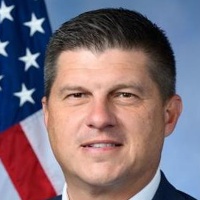
Brad Finstad
Representative
MN
Brad Finstad
Representative
MN
The Fraud Accountability and Recovery Act aims to combat large-scale fraud against the U.S. government by penalizing foreign countries that refuse to extradite convicted fraudsters or fail to assist in recovering stolen federal funds. This bill mandates the suspension of U.S. foreign assistance to non-cooperative nations, though the President retains a national security waiver. Furthermore, it requires the Secretary of State to annually report on noncompliant countries and the amount of lost U.S. funds tied to their inaction.
This resolution honors the life and legacy of Charles "Charlie" James Kirk, condemns his assassination as political violence, and calls for a renewed commitment to civil discourse and American founding principles.
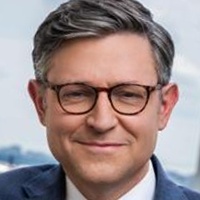
Mike Johnson
Representative
LA
Mike Johnson
Representative
LA
This resolution honors the life and legacy of Charles "Charlie" James Kirk, founder of Turning Point USA. It strongly condemns his assassination as an act of political violence. The bill calls for a renewed national commitment to civil discourse and the founding principles of the United States.
This Act prohibits U.S. courts and arbitrators from enforcing any foreign law, including Sharia law, if doing so would violate fundamental rights guaranteed by the U.S. or State Constitutions.
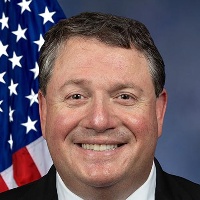
Randall Fine
Representative
FL
Randall Fine
Representative
FL
The No Shari’a Act ensures that U.S. courts rely exclusively on Federal and State laws when making decisions. This legislation prohibits courts and arbitrators from enforcing any foreign law, including Sharia law, if doing so would violate fundamental constitutional rights. The Act is designed to prevent foreign legal codes from undermining the established constitutional protections guaranteed to all Americans.
This Act revises the standards for when Metropolitan Police Department officers can engage in vehicular pursuits and mandates a Department of Justice review of public alert technology for active chases.
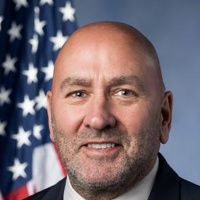
Clay Higgins
Representative
LA
Clay Higgins
Representative
LA
The District of Columbia Policing Protection Act of 2025 revises the standards for when Metropolitan Police Department officers can engage in vehicular pursuits, generally broadening the circumstances under which chases may be initiated. The bill removes several previous limitations on when officers can start or continue a chase, provided certain safety considerations are met. Additionally, it mandates a Department of Justice review of the feasibility and cost of implementing public warning technology, like PursuitAlert, during police chases.
This bill amends the Social Security Act to provide Medicare coverage for FDA-approved multi-cancer early detection screening tests starting in 2028.
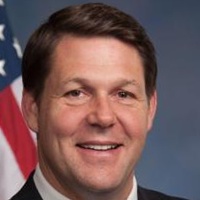
Jodey Arrington
Representative
TX
Jodey Arrington
Representative
TX
The Nancy Gardner Sewell Medicare Multi-Cancer Early Detection Screening Coverage Act amends the Social Security Act to provide Medicare Part B coverage for multi-cancer early detection screening tests starting January 1, 2028. This legislation establishes clear criteria for qualifying tests and outlines payment structures to ensure beneficiaries have access to these advanced diagnostic tools. Importantly, this coverage is designed to complement, rather than replace, existing Medicare-covered cancer screenings.
This Act ensures the automatic continuation of pay for active duty military personnel and essential civilian support staff if Congress fails to pass a budget for fiscal year 2026.
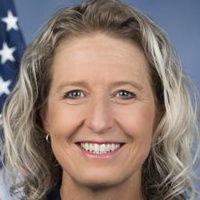
Jennifer Kiggans
Representative
VA
Jennifer Kiggans
Representative
VA
The Pay Our Troops Act of 2026 ensures that active duty military personnel and essential civilian support staff continue to receive their pay if Congress has not yet passed the full budget for fiscal year 2026. This act provides automatic continuing appropriations from the Treasury to prevent a lapse in military salaries due to budget delays. The funding automatically terminates once a new budget or continuing resolution is passed, or on January 1, 2027, whichever comes first.
This resolution strongly condemns the assassination of Charlie Kirk and calls for national change inspired by his life and tragic death.
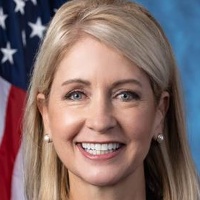
Mary Miller
Representative
IL
Mary Miller
Representative
IL
This resolution strongly condemns the assassination of conservative activist Charlie Kirk on September 10, 2025, during his national speaking tour. It honors his life, his founding of Turning Point USA, and his dedication to conservative principles. Ultimately, the document calls for national unity and reaffirms the commitment to protecting the right to peaceful assembly and free expression.
This bill mandates that states prohibit issuing standard driver's licenses to non-citizens or non-lawful permanent residents or face the withholding of 50% of their federal highway funding.
Mary Miller
Representative
IL
Mary Miller
Representative
IL
The SAFE Driving Laws Act aims to ensure that states only issue standard driver's licenses to U.S. citizens or lawful permanent residents. To comply, states must prohibit issuing licenses to non-citizens and must cooperate fully with federal immigration enforcement information sharing. States failing to meet these requirements starting in fiscal year 2027 will face the withholding of 50% of their federal highway funding.
This Act significantly increases mandatory minimum prison sentences for serious violent crimes in the District of Columbia, including murder, rape, sexual abuse, kidnapping, carjacking, and first-degree burglary.
Andy Biggs
Representative
AZ
Andy Biggs
Representative
AZ
The Strong Sentences for Safer D.C. Streets Act of 2025 significantly increases mandatory minimum prison sentences for several serious violent crimes in the District of Columbia. This legislation raises the minimum penalties for offenses including first-degree murder, rape, carjacking, and first-degree burglary. The changes will only apply to criminal acts committed on or after the date the bill is officially enacted into law.
This Act limits the sharing of consumer reports requested in connection with a residential mortgage loan to prevent unauthorized access to homebuyers' sensitive financial information.
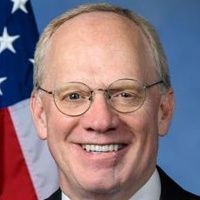
John Rose
Representative
TN
John Rose
Representative
TN
The Homebuyers Privacy Protection Act limits how consumer reporting agencies can share a consumer's report when it is requested in connection with a residential mortgage loan. Reports can only be shared with entities directly involved in the consumer's current mortgage or those providing a firm offer of credit or insurance. The Act also mandates a study by the GAO regarding the use and impact of "trigger leads" derived from credit checks.