Legislative Activity
Track Byron's sponsored bills, co-sponsored legislation, and voting record
This bill mandates that elementary, secondary, and higher education institutions must certify compliance with biological fairness requirements in women's sports to receive federal funding, with penalties for non-compliance.
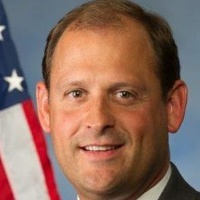
Garland Barr
Representative
KY
Garland Barr
Representative
KY
The Defend Girls Athletics Act mandates that elementary, secondary, and higher education institutions must certify compliance with Executive Order 14201 regarding biological fairness in women's sports to receive federal funding. This certification must be renewed annually for K-12 districts and by July 1st for colleges and universities. Failure to comply or report results in the immediate requirement to return unobligated federal funds and ineligibility for future federal financial assistance until compliance is restored.
This resolution solemnly marks the one-year anniversary of the attempted assassination of President Trump, condemns ongoing political violence, and honors the victims and first responders.
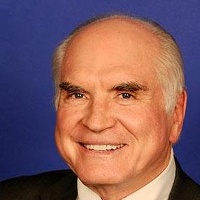
Mike Kelly
Representative
PA
Mike Kelly
Representative
PA
This resolution solemnly marks the one-year anniversary of the attempted assassination of President Donald J. Trump, condemning the multiple violent attempts against the President's life. It honors the victims of the shooting, including the late Corey D. Comperatore, and recognizes the bravery of first responders. Furthermore, the resolution condemns all incitement of violence against elected officials and calls for national unity against political violence.
The Protect RAIL Act makes non-citizens inadmissible to the U.S. and deportable if they commit or conspire to commit crimes involving theft or tampering with goods shipped across state or international lines.
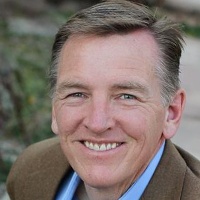
Paul Gosar
Representative
AZ
Paul Gosar
Representative
AZ
The Protect RAIL Act amends immigration law to prevent non-citizens convicted of or admitting to crimes involving the theft or tampering of goods shipped across state or international lines from entering the United States. Furthermore, this bill makes non-citizens already in the U.S. deportable if they have committed such offenses related to interstate or foreign shipments.
The LEDGER Act mandates the establishment of a comprehensive, government-wide system to track and record the exact destination and availability period of every federal expenditure.
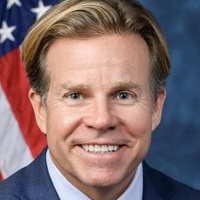
Mike Haridopolos
Representative
FL
Mike Haridopolos
Representative
FL
The LEDGER Act mandates the creation of a comprehensive, centralized system managed by the Secretary of the Treasury to track every expenditure made by all branches of the U.S. Government. This new system must detail exactly where federal funds are spent and how long those funds were available for obligation. The goal is to significantly enhance the traceability and transparency of government spending.
The Nuclear REFUEL Act amends the definition of a "production facility" under the Atomic Energy Act to exempt spent nuclear fuel reprocessing that does not separate plutonium from other transuranic elements.
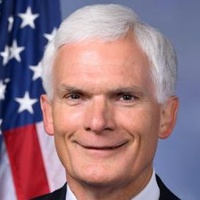
Robert Latta
Representative
OH
Robert Latta
Representative
OH
The Nuclear REFUEL Act amends the Atomic Energy Act to clarify regulations surrounding nuclear fuel processing. Specifically, it excludes the reprocessing of spent nuclear fuel from the definition of a "production facility" if the process does not separate plutonium from other transuranic elements. This change aims to streamline regulatory oversight for certain fuel recycling activities.
This bill prohibits non-citizens from voting in District of Columbia elections and repeals the Local Resident Voting Rights Amendment Act of 2022.
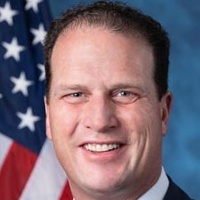
August Pfluger
Representative
TX
August Pfluger
Representative
TX
This bill prohibits non-U.S. citizens from voting in any election in the District of Columbia. It also repeals the Local Resident Voting Rights Amendment Act of 2022, effectively reverting D.C. voting eligibility rules to their pre-2022 status.
This Act penalizes jurisdictions that restrict cooperation between local law enforcement and federal immigration officials by making them ineligible for certain federal development funds.
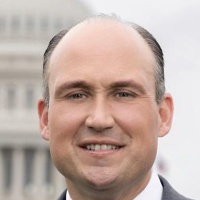
Nicholas Langworthy
Representative
NY
Nicholas Langworthy
Representative
NY
The Stop Dangerous Sanctuary Cities Act aims to penalize jurisdictions that limit cooperation with federal immigration enforcement. It defines "sanctuary jurisdictions" as those that refuse to honor detainer requests or share immigration information, with an exception for protecting crime victims and witnesses. Furthermore, the bill makes these designated sanctuary jurisdictions ineligible for specific federal development and community improvement funds, such as EDA grants and CDBG funds. Cooperating local officers are granted liability protection when honoring valid federal detainer requests.
This act strips federal funding from any state or local jurisdiction deemed non-compliant with federal immigration enforcement cooperation requests.
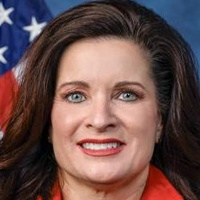
Sheri Biggs
Representative
SC
Sheri Biggs
Representative
SC
The Mobilizing Against Sanctuary Cities Act mandates that the Attorney General annually identify state and local jurisdictions that fail to cooperate with federal immigration enforcement requests, such as honoring detainers. Jurisdictions deemed non-compliant will immediately lose eligibility for all federal financial assistance for at least one year. Funding will only be restored after the Attorney General certifies that the area has corrected its non-compliance.
This bill mandates the deportation and permanent inadmissibility of non-citizens who commit acts of violence against law enforcement or public property during civil unrest, with enhanced enforcement during declared emergencies.

Dan Crenshaw
Representative
TX
Dan Crenshaw
Representative
TX
The Returning Illegals over Turmoil Act establishes new grounds for the deportation and permanent inadmissibility of non-citizens who incite or participate in violent acts against law enforcement or public property during civil unrest. This legislation mandates strict enforcement during declared emergencies and grants the Secretary of Homeland Security expedited removal authority under those conditions. Furthermore, individuals removed under these provisions are permanently barred from receiving any form of immigration relief or future DACA eligibility.
This resolution expresses the House's belief that increased father involvement is essential for children's success, economic prosperity, and social well-being, and calls for policies that support engaged fatherhood.
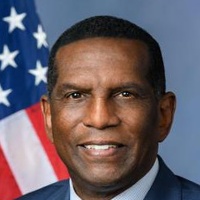
Clarence Owens
Representative
UT
Clarence Owens
Representative
UT
This resolution expresses the House of Representatives' belief that active fatherhood is essential for children's development, leading to economic prosperity and educational success. It recognizes the challenges created by fatherlessness and commits to supporting policies that encourage fathers to be fully involved in their children's lives. The bill aims to promote strong two-parent homes through various community investments and policy reviews.
This resolution expresses support for designating the month of July as "American Patriotism Month" to honor the nation's history, values, and sacrifices.
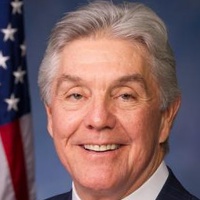
Roger Williams
Representative
TX
Roger Williams
Representative
TX
This resolution expresses support for officially designating the month of July as "American Patriotism Month." It recognizes the historical significance of American patriotism and encourages citizens and groups to observe the month with appropriate ceremonies celebrating U.S. history and values. The bill further asks the President to issue a yearly proclamation supporting this designation.
This resolution strongly condemns the antisemitic terrorist attack in Boulder, Colorado, addresses the rise of antisemitism, and calls for accountability for the attacker and stronger immigration enforcement.
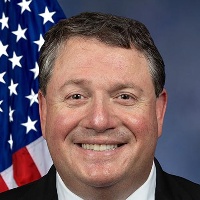
Randall Fine
Representative
FL
Randall Fine
Representative
FL
This resolution strongly condemns the antisemitic terrorist attack in Boulder, Colorado, and expresses solidarity with the victims and first responders. It highlights the alarming rise of antisemitism across the nation and calls for the perpetrator to be prosecuted to the fullest extent of the law. Furthermore, the bill urges immediate action to secure the border and address visa overstays.
Connor's Law mandates that commercial motor vehicle operators must demonstrate the ability to read and speak English sufficiently to perform essential driving and reporting tasks, or face immediate out-of-service orders.
David Taylor
Representative
OH
David Taylor
Representative
OH
Connor's Law establishes a mandatory English language proficiency requirement for all commercial motor vehicle (CMV) operators seeking a Commercial Driver's License (CDL). This ensures drivers can effectively communicate, understand traffic signs, and complete necessary documentation in English. Failure to meet this standard will result in an immediate out-of-service order for the driver.
This resolution calls upon all Americans to observe Memorial Day 2025 by honoring the service members who died defending freedom and peace.
Michael Guest
Representative
MS
Michael Guest
Representative
MS
This resolution calls upon all Americans to observe Memorial Day, 2025, as a solemn occasion to honor the men and women of the Armed Forces who made the ultimate sacrifice in the pursuit of freedom and peace. Congress recognizes the profound debt owed to these patriots who have died defending American values globally. The bill encourages a national expression of respect, pride, and gratitude for their service and sacrifice.
The Guidance Clarity Act of 2025 requires federal agencies to include a disclaimer on guidance documents stating that they do not have the force and effect of law.
Eric Burlison
Representative
MO
Eric Burlison
Representative
MO
The Guidance Clarity Act of 2025 requires federal agencies to include a prominent disclaimer on all guidance documents stating that they do not have the force of law and are not legally binding. This measure ensures the public clearly understands the non-binding nature of agency guidance.
This resolution condemns former FBI Director James Comey for allegedly inciting violence against President Trump through a cryptic social media post and demands an investigation and his permanent barring from federal employment.
Laurel Lee
Representative
FL
Laurel Lee
Representative
FL
This resolution strongly condemns former FBI Director James Comey for a social media post interpreted as inciting violence against President Donald J. Trump during his overseas trip. Congress demands that federal authorities investigate Comey's actions and permanently bar him from any future federal employment. The measure asserts that political violence incitement by former high-ranking officials is unacceptable and threatens national security.
This bill establishes a federal tax credit for contributions to K-12 scholarship organizations and ensures scholarship funds are exempt from the recipient's gross income, while protecting the autonomy of parents and schools.
Clarence Owens
Representative
UT
Clarence Owens
Representative
UT
The Universal School Choice Act establishes a federal tax credit for individuals and corporations that donate to approved scholarship organizations for K-12 education expenses. This system is subject to a $10 billion annual national cap, with funds allocated to states based on student population metrics. Furthermore, the Act ensures that scholarships received by parents for qualified educational expenses are exempt from federal income tax and protects the autonomy of participating private and religious schools from government control.
This bill mandates comprehensive federal data collection and reporting on attacks, aggression, and mental wellness to improve law enforcement officer safety and support.
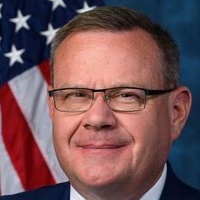
Tim Moore
Representative
NC
Tim Moore
Representative
NC
This bill mandates comprehensive federal reporting to better understand and address violence, aggression, and wellness challenges facing law enforcement officers. It requires the Attorney General to produce detailed reports analyzing attacks on officers, potential new data collection methods for non-criminal aggressive incidents, and the state of officer mental health resources. The goal is to use this improved data to recommend better federal, state, and local responses and support systems for officers.
This Act restricts federal subpoena power over insurance data, enhances confidentiality protections for data shared by the Federal Insurance Office, and limits the Office of Financial Research's ability to subpoena insurance companies while imposing new requirements on financial regulators when collecting data from them.
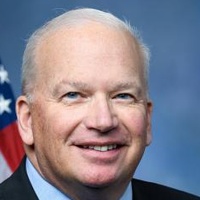
Scott Fitzgerald
Representative
WI
Scott Fitzgerald
Representative
WI
The Insurance Data Protection Act aims to adjust federal regulatory authority over insurance data by limiting the subpoena power of the Office of Financial Research against insurance companies. It also strengthens confidentiality protections for data shared with and held by the Federal Insurance Office and other financial regulators. Furthermore, the bill mandates that financial regulators must seek existing data from other sources before directly collecting information from insurance companies, ensuring data privacy is maintained.
This bill phases out the enhanced federal funding match for Medicaid coverage provided to low-income adults between 2027 and 2034, while establishing new rules for states that have not yet expanded Medicaid.
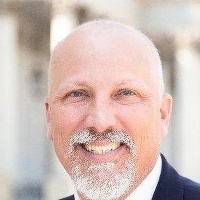
Chip Roy
Representative
TX
Chip Roy
Representative
TX
The Ending Medicaid Discrimination Against the Most Vulnerable Act modifies the enhanced federal funding structure for Medicaid coverage provided to low-income adults. This bill establishes a gradual phase-out of the enhanced Federal Medical Assistance Percentage (FMAP) between 2027 and 2034, with the extra funding ending entirely in 2035. Furthermore, the legislation alters the incentives for states that have not yet expanded Medicaid coverage, potentially limiting future enhanced funding for those states if they expand after 2024.