Legislative Activity
Track Byron's sponsored bills, co-sponsored legislation, and voting record
This bill penalizes states that issue driver's licenses to individuals without proof of lawful presence or restrict the sharing of immigration enforcement information with the Department of Homeland Security by withholding federal Byrne Grant funds.
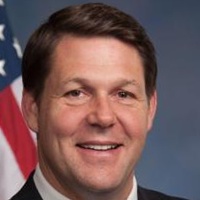
Jodey Arrington
Representative
TX
Jodey Arrington
Representative
TX
This Act, the Stop Greenlighting Driver Licenses for Illegal Immigrants Act, penalizes states that issue driver's licenses to individuals lacking proof of lawful presence. It also targets states that restrict local officials from sharing immigration enforcement data with the Department of Homeland Security. States found in violation must return unspent Edward Byrne Memorial Justice Assistance Grant funds and become ineligible for future funding until compliance is achieved.
This resolution expresses the House's support for designating September 22nd as National Military and Veterans Suicide Awareness Day to highlight the mental health struggles of service members and veterans.
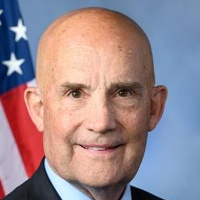
Keith Self
Representative
TX
Keith Self
Representative
TX
This resolution expresses the strong support of Congress for designating September 22nd as "National Military and Veterans Suicide Awareness Day." The goal is to formally recognize the sacrifices of service members and veterans while raising crucial awareness about the mental health challenges and suicide risks they face. By establishing this day, the resolution aims to reduce stigma and encourage greater focus on providing necessary support and resources to this population.
This Act officially renames the Department of Defense to the Department of War and changes the title of its head to the Secretary of War.
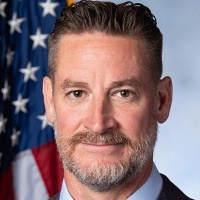
W. Steube
Representative
FL
W. Steube
Representative
FL
The Department of War Restoration Act of 2025 officially renames the Department of Defense to the Department of War. This change also renames the Secretary of Defense to the Secretary of War. The Act ensures all existing laws and documents are updated to reflect this new nomenclature.
The ALCATRAZ Act establishes a DHS grant program to reimburse state and local governments for migrant detention costs incurred after January 20, 2025.
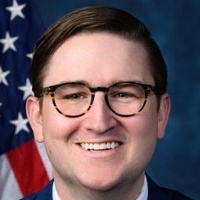
Addison McDowell
Representative
NC
Addison McDowell
Representative
NC
The ALCATRAZ Act establishes a new Department of Homeland Security (DHS) grant program to reimburse state and local governments for the costs associated with detaining migrants within their borders starting in 2025. This program will initially be funded by redirecting unspent money from FEMA's Shelter and Services Program. Furthermore, DHS must report on plans to expedite the construction of new migrant detention facilities and identify underused government accounts for potential funding redirection.
This Act establishes a federal database to identify and prohibit federal funding for state and local governments deemed to have sanctuary policies that conflict with immigration enforcement.

Chip Roy
Representative
TX
Chip Roy
Representative
TX
The Sanctuary Penalty and Public Protection Act of 2025 establishes a federal database to identify and publicly list state and local governments deemed to have policies that obstruct federal immigration enforcement. Jurisdictions placed on this "sanctuary jurisdiction" list will be prohibited from receiving or using any new federal funding. This act aims to penalize local governments that refuse to fully cooperate with federal immigration detainers and enforcement requests.
The CARE for Children Act officially recognizes and funds "cottage family homes" as a new option for foster care placements, ensuring they meet strict standards for child well-being and family connection.
W. Steube
Representative
FL
W. Steube
Representative
FL
The Create Accountable Respectful Environments (CARE) for Children Act officially recognizes and integrates "cottage family homes" into federal foster care regulations. This allows these specialized homes to receive federal maintenance payments if they meet strict standards focused on family connection, trauma-informed care, and prohibiting harmful restraints. The bill ensures states maintain flexibility in utilizing these placements while upholding high standards for child well-being.
This resolution formally recognizes the massive national debt and annual deficits as a direct threat to U.S. national security and commits Congress to regular order in addressing the fiscal crisis.

Andy Biggs
Representative
AZ
Andy Biggs
Representative
AZ
This resolution formally declares the escalating national debt a significant threat to U.S. national security. It outlines the current alarming financial picture, including massive deficits and unsustainable spending levels. The bill commits Congress to returning to regular order for budgeting and addressing the fiscal crisis.
This bill requires the District of Columbia to allow Members of Congress with valid concealed carry permits from their home states to carry concealed firearms within the District.
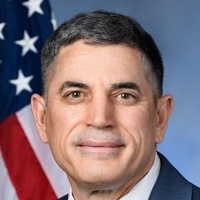
Andrew Clyde
Representative
GA
Andrew Clyde
Representative
GA
This bill would require the District of Columbia to recognize valid concealed carry permits or the legal right to carry a concealed firearm held by Members of Congress from their home states. Specifically, it allows Senators, Representatives, Delegates, and Resident Commissioners to carry a concealed firearm in D.C. provided they meet federal eligibility requirements and carry proper identification.
The Veterans’ ACCESS Act of 2025 improves veteran health care by establishing clear eligibility standards for community care, mandating timely mental health treatment, and streamlining administrative processes to ensure faster, more transparent access to services.
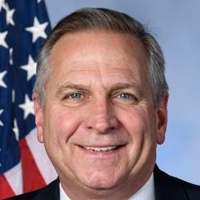
Mike Bost
Representative
IL
Mike Bost
Representative
IL
The Veterans’ ACCESS Act of 2025 strengthens the Veterans Community Care Program by establishing clear, enforceable standards for care eligibility and wait times while streamlining the referral process. The legislation also overhauls access to residential mental health and substance abuse treatment, ensuring veterans receive timely, localized care with robust oversight. Additionally, it mandates the development of digital tools and pilot programs to reduce bureaucratic hurdles and improve transparency across the VA healthcare system.
This act establishes a new two-part test under the Fair Labor Standards Act and the National Labor Relations Act to determine when an individual is classified as an independent contractor rather than an employee.
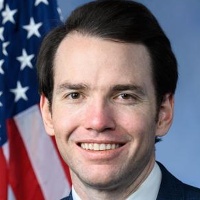
Kevin Kiley
Representative
CA
Kevin Kiley
Representative
CA
The Modern Worker Empowerment Act establishes a new, two-part test under federal law to determine if a worker is an independent contractor rather than an employee. This test focuses on the degree of control exercised over the work's details and whether the worker has the risks and opportunities of entrepreneurship. The Act applies this updated classification standard to both the Fair Labor Standards Act and the National Labor Relations Act.
This Act lowers the minimum age requirement for young employees to join certain retirement savings plans from 21 to 18, provided they meet specific service conditions.
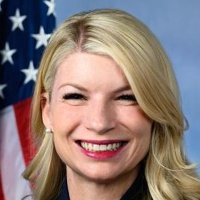
Brittany Pettersen
Representative
CO
Brittany Pettersen
Representative
CO
The Helping Young Americans Save for Retirement Act aims to encourage early retirement savings by lowering the minimum age for participation in certain employer-sponsored retirement plans from 21 to 18 for employees who meet specific service requirements. This change applies to both ERISA-covered pension plans and tax-qualified plans like 401(k)s. The legislation also includes special reporting provisions for plans that gain new, younger participants due to this rule change.
This bill ends the liability shield for vaccine manufacturers by allowing individuals to sue directly in court or seek compensation through the existing program, while also removing time limits for program claims and excluding COVID-19 vaccines from countermeasure liability protections.

Paul Gosar
Representative
AZ
Paul Gosar
Representative
AZ
The End the Vaccine Carveout Act fundamentally changes vaccine injury compensation by allowing individuals to choose between filing a claim through the existing National Vaccine Injury Compensation Program or suing the manufacturer or administrator directly in court. This legislation removes the liability shield for vaccine makers and eliminates time limits for filing claims with the Program. Additionally, it specifically excludes COVID-19 vaccines from existing countermeasure liability protections.
The PRIME Act exempts custom slaughter facilities from federal inspection requirements for meat distributed only within the state where it was processed, provided they comply with state law.

Thomas Massie
Representative
KY
Thomas Massie
Representative
KY
The PRIME Act, or Processing Revival and Intrastate Meat Exemption Act, exempts custom slaughter facilities from federal inspection requirements for meat that is processed and sold only within the state of origin. To qualify, facilities must comply with all applicable state laws regarding slaughter and preparation. This legislation ensures that states retain the authority to enforce their own, potentially stricter, regulations on local meat processing.
This bill amends federal law to include violations related to rioting within the definition of racketeering activity.
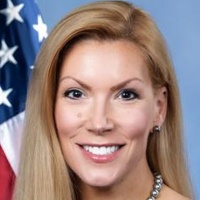
Beth Van Duyne
Representative
TX
Beth Van Duyne
Representative
TX
This bill amends federal law to explicitly include violations related to rioting within the definition of "racketeering activity." By adding this specific crime to the list under Title 18, Section 1961(1), the legislation makes participation in such activities subject to serious federal racketeering charges. This change treats rioting violations similarly to other established offenses like bribery or extortion for the purposes of federal prosecution.
This bill directs the U.S. Postal Service to assign single, unique ZIP Codes to 66 specific communities across the nation.
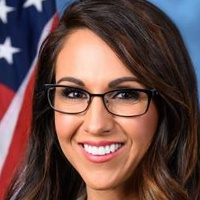
Lauren Boebert
Representative
CO
Lauren Boebert
Representative
CO
This bill directs the United States Postal Service (USPS) to assign a single, unique ZIP Code to 66 specific communities across numerous states. The USPS is required to complete this designation process within 270 days of the law's enactment. This measure aims to ensure these designated towns and areas each have their own distinct postal code.
This bill mandates the U.S. Postal Service to establish new, unique ZIP Codes for eight specific communities across the country.
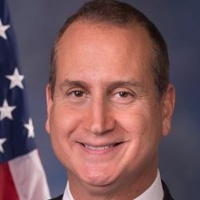
Mario Diaz-Balart
Representative
FL
Mario Diaz-Balart
Representative
FL
This bill mandates the U.S. Postal Service to establish and assign a new, unique ZIP Code for eight specific communities across the country. These communities include locations in California, Connecticut, Florida, Iowa, and Wyoming. The Postal Service has 270 days from the bill's enactment to complete the assignment of these new mailing addresses.
This Act prohibits the Federal Reserve from directly or indirectly issuing a Central Bank Digital Currency (CBDC) and bars the Fed from developing or using one for monetary policy without explicit Congressional authorization.
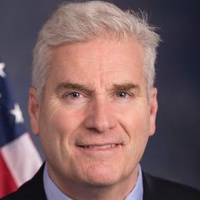
Tom Emmer
Representative
MN
Tom Emmer
Representative
MN
The Anti-CBDC Surveillance State Act strictly prohibits the Federal Reserve from directly or indirectly issuing a Central Bank Digital Currency (CBDC) to individuals. This legislation prevents the Fed from developing, testing, or implementing any digital currency that functions as a direct liability of the Federal Reserve. Furthermore, Congress asserts that any authority to create such a digital asset must explicitly come from Congress itself.
This bill repeals the federal charter granted to the National Education Association.
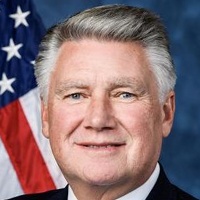
Mark Harris
Representative
NC
Mark Harris
Representative
NC
The National Education Association Charter Repeal Act aims to revoke the federal charter granted to the National Education Association (NEA). This legislation specifically repeals the section of U.S. Code that provides the NEA with its official federal recognition status. In essence, the bill removes the legal standing previously conferred upon the NEA by Congress.
This Act prohibits lawsuits claiming discrimination based solely on the unintended, disproportionate statistical effect (disparate impact) of employment or housing practices.
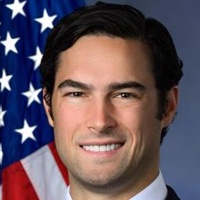
Brandon Gill
Representative
TX
Brandon Gill
Representative
TX
The Restoring Equal Opportunity Act aims to eliminate "disparate-impact liability" across major federal laws. This bill prohibits lawsuits claiming discrimination based solely on the unintended, disproportionate negative effect of a rule or practice. Consequently, it removes the ability to challenge employment and housing practices unless discriminatory intent can be proven. The Act also nullifies specific prior regulatory approvals related to civil rights enforcement.
This bill mandates that elementary, secondary, and higher education institutions must certify compliance with biological fairness requirements in women's sports to receive federal funding, with penalties for non-compliance.
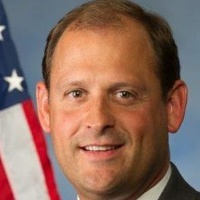
Garland Barr
Representative
KY
Garland Barr
Representative
KY
The Defend Girls Athletics Act mandates that elementary, secondary, and higher education institutions must certify compliance with Executive Order 14201 regarding biological fairness in women's sports to receive federal funding. This certification must be renewed annually for K-12 districts and by July 1st for colleges and universities. Failure to comply or report results in the immediate requirement to return unobligated federal funds and ineligibility for future federal financial assistance until compliance is restored.