Legislative Activity
Track Angie's sponsored bills, co-sponsored legislation, and voting record
The FEMA Act of 2025 establishes FEMA as an independent, cabinet-level agency and enacts sweeping reforms across public assistance, individual aid, and mitigation programs to speed up recovery and increase transparency.
Sam Graves
Representative
MO
Sam Graves
Representative
MO
The FEMA Act of 2025 establishes the Federal Emergency Management Agency (FEMA) as an independent, cabinet-level agency to lead a unified, all-hazards approach to national emergency management. The bill enacts sweeping reforms across Public Assistance, Individual Assistance, and Mitigation programs to accelerate recovery, streamline funding, and reduce bureaucratic hurdles for disaster survivors and communities. Furthermore, it mandates significant new transparency measures, including public data reporting and GAO oversight, to ensure accountability for federal disaster spending.
This Act bans Members of Congress and their immediate families from trading or owning specific investments while in office, requiring divestment within 90 to 180 days or facing significant financial penalties.
Chip Roy
Representative
TX
Chip Roy
Representative
TX
The Restore Trust in Congress Act establishes strict new rules prohibiting Members of Congress and their immediate families from owning or trading specific financial assets, referred to as "covered investments," while in office. Covered individuals must divest existing prohibited holdings within a set timeframe or face significant financial penalties, including fines and forfeiture of profits. The legislation aims to eliminate conflicts of interest arising from personal financial trading while serving in federal office.
This resolution formally honors the victims and survivors of the August 27, 2025, mass shooting at Annunciation Catholic Church and School in Minneapolis while condemning the violence and commending the heroic response.

Ilhan Omar
Representative
MN
Ilhan Omar
Representative
MN
This resolution formally honors the victims and survivors of the tragic 2025 mass shooting at Annunciation Catholic Church and School in Minneapolis. It condemns the senseless violence and expresses deep sympathy for the affected community. Furthermore, the resolution commends the bravery of first responders, medical personnel, and community members who provided aid during the attack. Ultimately, it calls for safety in places of worship and schools while expressing hope for healing.
This Act repeals recent changes to Medicaid cost-sharing requirements and the exclusion of orphan drugs from the Drug Price Negotiation Program.
Chris Pappas
Representative
NH
Chris Pappas
Representative
NH
The Protect Patients from Costly Care Act aims to reverse recent changes to Medicaid cost-sharing requirements and the Drug Price Negotiation Program. This bill effectively deletes specific sections from a previous reconciliation act that altered these healthcare provisions. By repealing these changes, the Act restores the original rules regarding Medicaid cost-sharing and the exclusion of orphan drugs from price negotiations.
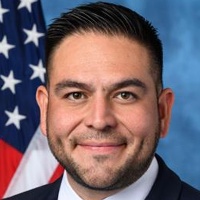
This act establishes a pathway to conditional lawful permanent residency for certain undocumented immigrants present since January 1, 2024, who have worked in designated essential professions for at least 100 days.
Gabriel (Gabe) Vasquez
Representative
NM
Gabriel (Gabe) Vasquez
Representative
NM
The Strengthening Our Workforce Act of 2025 establishes a pathway to conditional lawful permanent residency for certain undocumented immigrants present in the U.S. as of January 1, 2024, who have worked in designated "covered professions." Eligible individuals receive immediate work authorization and must maintain continuous employment in these essential fields for two years to automatically transition to full permanent resident status. The bill outlines specific eligibility criteria, including continuous presence and work history, while imposing restrictions based on criminal history.
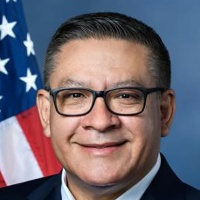
The Greyhound Protection Act of 2025 bans commercial greyhound racing, live lure training, and open field coursing nationwide starting in late 2027 due to documented animal welfare concerns.
Salud Carbajal
Representative
CA
Salud Carbajal
Representative
CA
The Greyhound Protection Act of 2025 seeks to end commercial greyhound racing and related cruel training practices nationwide by October 1, 2027. This legislation bans all forms of wagering on greyhound races and prohibits the use of live animals for training or coursing events. Violators face significant fines and potential imprisonment under the strengthened Animal Welfare Act. The bill reflects concerns over widespread animal injuries, drug use, and inhumane confinement within the declining industry.
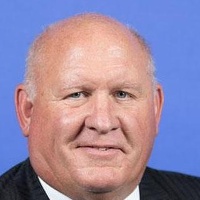
This Act updates federal funding requirements for school career guidance and counseling programs to better align student options with current workforce needs and expand personalized support services.
Glenn Thompson
Representative
PA
Glenn Thompson
Representative
PA
The Counseling for Career Choice Act updates federal education funding to strengthen career guidance and counseling programs in schools. This legislation mandates that these programs align student options with current local workforce needs and requires counselors to provide personalized planning, financial literacy awareness, and exposure to real-world experiences like apprenticeships. Furthermore, the Act encourages strong partnerships between schools and local workforce development boards to ensure students have access to up-to-date career information and support.
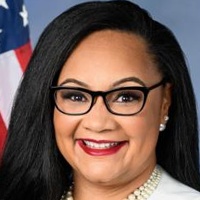
The Election Mail Act mandates same-day processing for incoming absentee ballots, requires intelligent mail barcodes on federal election mail, establishes delivery standards and free postage for completed ballots, and sets a national seven-day grace period for accepting postmarked federal mail-in ballots after Election Day.
Nikema Williams
Representative
GA
Nikema Williams
Representative
GA
The Election Mail Act aims to ensure the timely and secure delivery of federal election mail through the U.S. Postal Service. It mandates same-day processing of received absentee ballots and requires the use of intelligent mail barcodes for tracking mailed ballots starting in 2026. Furthermore, the bill establishes protections against operational changes that would slow election mail delivery and sets a national standard to count mail-in ballots postmarked by Election Day if received within seven days after the election.
This act mandates that the Department of Veterans Affairs must provide abortion care, counseling, and related services and medication to eligible veterans and certain other individuals.
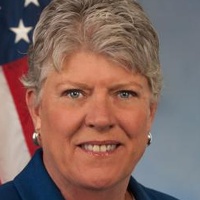
Julia Brownley
Representative
CA
Julia Brownley
Representative
CA
The Reproductive Freedom for Veterans Act mandates that the Department of Veterans Affairs (VA) must now provide abortion care, counseling, and related medication as part of the medical services offered to eligible veterans and certain other beneficiaries. This legislation formally amends existing VA health care provisions to include these reproductive health services.
This Act mandates that the U.S. government's annual human rights reports abroad must include detailed findings on the status of reproductive rights, aligning U.S. foreign policy with international human rights standards.
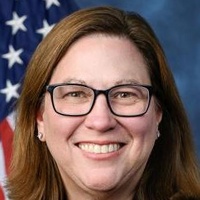
Julie Johnson
Representative
TX
Julie Johnson
Representative
TX
The Reproductive Rights are Human Rights Act of 2025 establishes that reproductive rights are fundamental human rights based on international commitments. This bill mandates that the State Department must include a detailed, required section on the status of reproductive rights in every country within its annual human rights reports. These reports must cover access to contraception, abortion services, and instances of reproductive coercion or discrimination against marginalized groups. The Act aims to ensure robust U.S. monitoring and accountability regarding global reproductive health and autonomy.
This bill repeals specific prior health reconciliation provisions and expands eligibility for the Premium Tax Credit by removing the 400% income cap and adjusting the subsidy calculation formula.
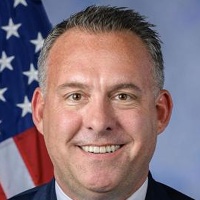
Adam Gray
Representative
CA
Adam Gray
Representative
CA
The Protecting Health Care and Lowering Costs Act of 2025 repeals specific prior reconciliation health provisions. This bill significantly expands eligibility for the Premium Tax Credit by eliminating the 400% Federal Poverty Level income cap. It also updates the subsidy calculation formula to ensure a smoother, linear adjustment of assistance across various income levels.
This Act strengthens the Biobased Markets Program to boost domestic biomanufacturing, increase federal procurement of biobased products, and establish clear labeling standards.
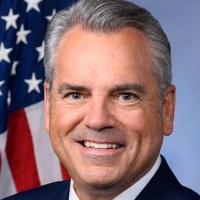
Mark Alford
Representative
MO
Mark Alford
Representative
MO
The Biomanufacturing and Jobs Act of 2025 aims to strengthen the U.S. biobased products industry by increasing federal procurement of these items made from agricultural materials. The bill updates definitions, enhances reporting requirements, and mandates training to ensure federal agencies prioritize purchasing biobased goods. Additionally, it establishes a temporary USDA Task Force to coordinate and improve federal support for research, development, and marketing in this sector. Finally, the Act strengthens labeling rules to prevent the misuse of terms like "biobased" and protects proprietary business information during enforcement.
This resolution formally recognizes the 20th anniversary of the Renewable Fuel Standard and affirms its foundational role in boosting U.S. energy security, supporting rural economies, and improving environmental performance.

Max Miller
Representative
OH
Max Miller
Representative
OH
This resolution formally recognizes the 20th anniversary of the Renewable Fuel Standard (RFS) and celebrates its foundational role in strengthening U.S. energy security and supporting rural economies. It highlights the RFS's success in driving domestic fuel innovation, creating jobs, and improving environmental performance. The measure affirms the ongoing importance of the RFS in achieving national energy, economic, and environmental goals.
This act repeals the prohibition on Medicaid payments to certain healthcare entities and mandates retroactive payment for services already rendered under the repealed ban.
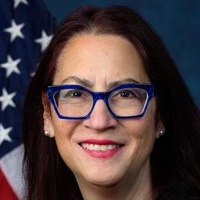
Laura Friedman
Representative
CA
Laura Friedman
Representative
CA
The Restoring Essential Healthcare Act repeals an outdated ban that prevented Medicaid from making payments to certain healthcare providers. This legislation ensures that these previously prohibited entities will now be reimbursed for medical services rendered between the enactment of the original ban and the passage of this Act. In short, it restores payment eligibility and retroactively covers past services.
This act restores previous state Medicaid provider tax rules by repealing Section 71115 of Public Law 11921.
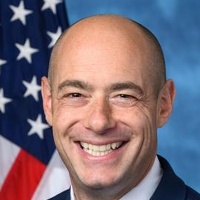
Greg Landsman
Representative
OH
Greg Landsman
Representative
OH
The Protect Our Hospitals Act aims to restore previous regulations concerning Medicaid provider taxes by repealing a specific section of Public Law 11921. This action effectively nullifies recent changes, returning the rules governing how states tax Medicaid providers to their original status.
This Act establishes a Department of Veterans Affairs grant program to fund facility repairs and technology upgrades for Veterans Service Organizations.
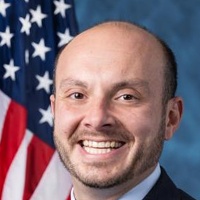
Andrew Garbarino
Representative
NY
Andrew Garbarino
Representative
NY
The Saving Vet Halls Act of 2025 establishes a new grant program administered by the Department of Veterans Affairs. This program provides funding to Veterans Service Organizations (VSOs) specifically for repairing facilities and upgrading technology. Grants are capped at $\$75,000$ or the total project cost (whichever is higher), and organizations receiving funds are ineligible to reapply for five years. The legislation authorizes $\$10$ million to support these essential improvements for VSOs.
This act establishes a new, potentially transferable, refundable tax credit of up to $15,000 for first-time homebuyers, subject to income, price limits, and a four-year recapture provision.
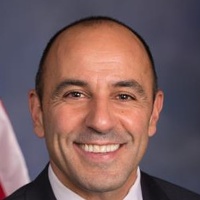
Jimmy Panetta
Representative
CA
Jimmy Panetta
Representative
CA
The First-Time Homebuyer Tax Credit Act of 2025 establishes a new, refundable tax credit for eligible first-time homebuyers, equal to 10% of the purchase price, up to a maximum of $15,000. This credit is subject to income and home price phase-outs based on local median figures. Homebuyers may elect to transfer this credit directly to their mortgage lender at closing in exchange for immediate cash. The bill also includes recapture provisions requiring repayment if the home is sold within four years.
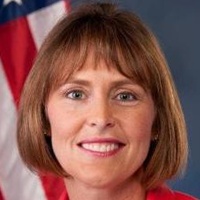
The Keep Kids Covered Act extends continuous Medicaid and CHIP coverage for children and former foster youth to ensure longer periods without re-enrollment.
Kathy Castor
Representative
FL
Kathy Castor
Representative
FL
The Keep Kids Covered Act aims to ensure children maintain continuous health coverage under Medicaid and CHIP for longer periods. This legislation extends continuous eligibility for children under age 19, significantly increasing the duration they remain covered without needing to re-enroll. Furthermore, it grants former foster youth continuous Medicaid eligibility until they turn 26.
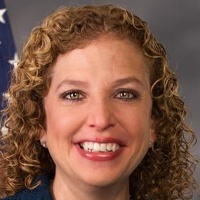
This bill reauthorizes key grant and education programs under the Virginia Graeme Baker Pool and Spa Safety Act for fiscal years 2025 through 2027.
Debbie Wasserman Schultz
Representative
FL
Debbie Wasserman Schultz
Representative
FL
This bill reauthorizes key programs under the Virginia Graeme Baker Pool and Spa Safety Act. Specifically, it extends funding for state and community safety improvement grants and related education and awareness initiatives through fiscal year 2027. The purpose is to ensure continued support for vital pool and spa safety efforts.
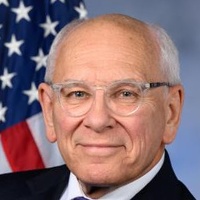
The Community Mental Wellness and Resilience Act of 2025 establishes a federal grant program to fund local networks implementing public health strategies to strengthen community mental wellness and resilience, with a set-aside for rural areas.
Paul Tonko
Representative
NY
Paul Tonko
Representative
NY
The Community Mental Wellness and Resilience Act of 2025 establishes a new federal grant program to fund local initiatives focused on strengthening community mental wellness and resilience. This program offers planning grants followed by larger competitive program grants to established coordinating networks utilizing a public health approach. A mandatory 20% of funds are set aside to ensure support reaches rural areas.