Legislative Activity
Track Angie's sponsored bills, co-sponsored legislation, and voting record
This act establishes a new, potentially transferable, refundable tax credit of up to $15,000 for first-time homebuyers, subject to income, price limits, and a four-year recapture provision.
Jimmy Panetta
Representative
CA
Jimmy Panetta
Representative
CA
The First-Time Homebuyer Tax Credit Act of 2025 establishes a new, refundable tax credit for eligible first-time homebuyers, equal to 10% of the purchase price, up to a maximum of $15,000. This credit is subject to income and home price phase-outs based on local median figures. Homebuyers may elect to transfer this credit directly to their mortgage lender at closing in exchange for immediate cash. The bill also includes recapture provisions requiring repayment if the home is sold within four years.
This bill reauthorizes key grant and education programs under the Virginia Graeme Baker Pool and Spa Safety Act for fiscal years 2025 through 2027.
Debbie Wasserman Schultz
Representative
FL
Debbie Wasserman Schultz
Representative
FL
This bill reauthorizes key programs under the Virginia Graeme Baker Pool and Spa Safety Act. Specifically, it extends funding for state and community safety improvement grants and related education and awareness initiatives through fiscal year 2027. The purpose is to ensure continued support for vital pool and spa safety efforts.
This Act prohibits businesses from using automated systems that rely on personal data surveillance to set individualized prices or determine worker wages, while preserving stronger state and collective bargaining protections.
Gregorio Casar
Representative
TX
Gregorio Casar
Representative
TX
The Stop AI Price Gouging and Wage Fixing Act of 2025 prohibits businesses from using automated systems that analyze personal data to set individualized prices or determine employee wages. This legislation establishes strict transparency requirements for any permitted pricing exceptions and grants enforcement power to the FTC, EEOC, State Attorneys General, and private citizens. Furthermore, the Act ensures that existing state laws providing greater protections and collective bargaining rights remain fully in effect.
This Act establishes a Department of Veterans Affairs grant program to fund facility repairs and technology upgrades for Veterans Service Organizations.
Andrew Garbarino
Representative
NY
Andrew Garbarino
Representative
NY
The Saving Vet Halls Act of 2025 establishes a new grant program administered by the Department of Veterans Affairs. This program provides funding to Veterans Service Organizations (VSOs) specifically for repairing facilities and upgrading technology. Grants are capped at $\$75,000$ or the total project cost (whichever is higher), and organizations receiving funds are ineligible to reapply for five years. The legislation authorizes $\$10$ million to support these essential improvements for VSOs.
The Keep Kids Covered Act extends continuous Medicaid and CHIP coverage for children and former foster youth to ensure longer periods without re-enrollment.
Kathy Castor
Representative
FL
Kathy Castor
Representative
FL
The Keep Kids Covered Act aims to ensure children maintain continuous health coverage under Medicaid and CHIP for longer periods. This legislation extends continuous eligibility for children under age 19, significantly increasing the duration they remain covered without needing to re-enroll. Furthermore, it grants former foster youth continuous Medicaid eligibility until they turn 26.
This bill establishes a federal grant program to help low-income households pay for their drinking water and sewer services.
Eric Sorensen
Representative
IL
Eric Sorensen
Representative
IL
This bill establishes the Low-Income Household Water Assistance Program to provide grants to states and tribes. These funds will help public water systems cover the water and sewer bills for eligible low-income households. The program aims to supplement existing aid by assisting families whose income is at or below 150% of the poverty level or 60% of the state median income. Funding is authorized at $500 million annually from fiscal years 2026 through 2030.
The Community Mental Wellness and Resilience Act of 2025 establishes a federal grant program to fund local networks implementing public health strategies to strengthen community mental wellness and resilience, with a set-aside for rural areas.
Paul Tonko
Representative
NY
Paul Tonko
Representative
NY
The Community Mental Wellness and Resilience Act of 2025 establishes a new federal grant program to fund local initiatives focused on strengthening community mental wellness and resilience. This program offers planning grants followed by larger competitive program grants to established coordinating networks utilizing a public health approach. A mandatory 20% of funds are set aside to ensure support reaches rural areas.
This Act prohibits insurance companies from discriminating against living organ donors when issuing life, disability, or long-term care policies and mandates the updating of educational materials regarding donation risks and insurance implications.
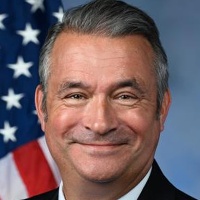
Don Bacon
Representative
NE
Don Bacon
Representative
NE
The Living Donor Protection Act of 2025 prohibits life, disability, and long-term care insurance companies from denying coverage or increasing premiums solely because an individual is a living organ donor. This legislation ensures that living donors are not financially penalized for their altruistic act. Additionally, the bill requires the Secretary of HHS to update educational materials to accurately reflect the insurance protections afforded to living donors.
This constitutional amendment prohibits immunity from criminal prosecution for federal officials based on their official duties and bars the President from self-pardoning.
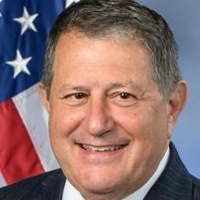
Joseph Morelle
Representative
NY
Joseph Morelle
Representative
NY
This proposed constitutional amendment would eliminate immunity from criminal prosecution for federal officials, including the President, based on their official duties. It also explicitly prohibits the President from issuing a self-pardon for any federal crimes. If ratified, these changes would take effect immediately.
The EACH Act of 2025 mandates that all federally funded health programs and facilities must cover and provide abortion services, while also prohibiting federal interference with private insurance coverage.
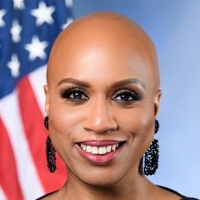
Ayanna Pressley
Representative
MA
Ayanna Pressley
Representative
MA
The EACH Act of 2025 aims to ensure equal access to abortion coverage by requiring all federally funded health programs and facilities to cover abortion services. This legislation prohibits federal interference with state or private insurance coverage of abortion and repeals Section 1303 of the Affordable Care Act. Ultimately, the bill seeks to eliminate financial and insurance barriers to abortion care, particularly for low-income individuals relying on programs like Medicaid.
Ally's Act mandates that certain private health insurance plans must cover auditory implant devices, related services, and upgrades for qualifying individuals without imposing stricter cost-sharing or treatment limitations than other medical benefits.
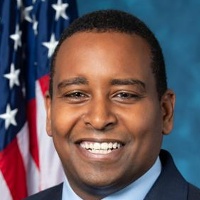
Joe Neguse
Representative
CO
Joe Neguse
Representative
CO
The Ally's Act mandates that certain private health insurance plans must cover auditory implant devices, related supplies, and necessary services for qualifying individuals. This coverage must be comparable to other medical and surgical benefits regarding cost-sharing and treatment limitations. Furthermore, plans cannot deny coverage if a physician or qualified audiologist determines the required hearing items or services are medically necessary. These new requirements take effect for plan years beginning on or after January 1, 2026.
This Act mandates that television advertisements for prescription drugs and biologics covered by Medicare or Medicaid must clearly display the list price for a standard supply.
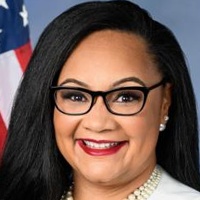
Nikema Williams
Representative
GA
Nikema Williams
Representative
GA
The Plain Prescription Prices Act mandates that television advertisements for prescription drugs and biologics covered by Medicare or Medicaid must clearly display the list price for a standard supply. This aims to increase transparency by ensuring consumers see the cost information directly in drug advertisements. The Secretary of Health and Human Services will establish the specific rules and enforcement mechanisms for this price disclosure.
This bill amends the Family and Medical Leave Act to explicitly qualify time taken for an employee's own organ donation surgery as a serious health condition.
Don Bacon
Representative
NE
Don Bacon
Representative
NE
This bill amends the Family and Medical Leave Act (FMLA) to explicitly clarify that time taken off for an employee's own organ donation surgery qualifies as a serious health condition. This ensures both private and federal sector workers receive FMLA protection for recovery from organ donation. The legislation also specifies how federal employees must substitute existing paid leave when taking FMLA time for this purpose.
Dillon's Law updates federal guidelines to grant preference points to states that allow any trained personnel, not just school employees, to administer epinephrine delivery systems in schools.
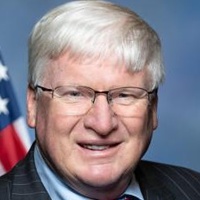
Glenn Grothman
Representative
WI
Glenn Grothman
Representative
WI
Dillon's Law amends federal guidelines to grant preference points to states that allow trained, non-school personnel to administer epinephrine in schools. This change broadens the definition of who can provide life-saving medication beyond just school employees. The law also updates terminology to cover a wider range of epinephrine delivery systems.
The Digital Asset Market Clarity Act establishes comprehensive regulatory frameworks for digital commodities under the CFTC and SEC, clarifies the status of digital assets, preserves self-custody rights, and explicitly prohibits the Federal Reserve from issuing a Central Bank Digital Currency (CBDC).

J. Hill
Representative
AR
J. Hill
Representative
AR
The Digital Asset Market Clarity Act establishes a comprehensive regulatory framework for digital assets, primarily focusing on defining and regulating "digital commodities" under the CFTC and SEC. It creates registration pathways for exchanges and intermediaries, clarifies rules for asset sales, protects individual self-custody rights, and explicitly prohibits the Federal Reserve from issuing a Central Bank Digital Currency (CBDC). Overall, the bill aims to bring clarity and consumer safeguards to the digital asset market while encouraging technological innovation.
This Act guarantees individuals the right to obtain and receive information about FDA-approved medicines and protects healthcare providers who offer them from restrictive government rules.
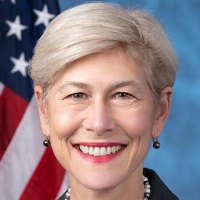
Deborah Ross
Representative
NC
Deborah Ross
Representative
NC
The Right to FDA-Approved Medicines Act guarantees individuals the right to obtain and receive information about medicines already approved by the FDA. This law preempts and overrides conflicting federal and state regulations that restrict access to or the provision of these approved drugs by healthcare providers. It establishes strong enforcement mechanisms, allowing both the Attorney General and private citizens to sue states that violate these protections.
The Gun Safety Incentive Act establishes federal guidelines for safe firearm storage, mandates safety warnings on new firearms, expands safe storage requirements for firearm sales, creates a grant program for states to distribute storage devices, and offers a tax credit to businesses selling safe storage devices.

André Carson
Representative
IN
André Carson
Representative
IN
The Gun Safety Incentive Act aims to promote responsible firearm ownership by establishing voluntary best practices for safe storage developed by the Attorney General. It mandates clear safe storage warnings on newly manufactured firearms and expands existing federal law to require safe storage information for all firearm purchases, including rifles and shotguns. Furthermore, the Act establishes a grant program to help states and Tribes distribute free safe storage devices and creates a tax credit for businesses selling these devices.
This act enhances protections for Medicare beneficiaries receiving orthotic and prosthetic care by ensuring required training accompanies direct shipments and expanding exemptions within competitive acquisition programs.
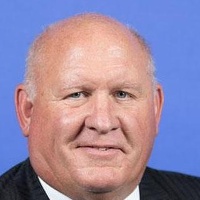
Glenn Thompson
Representative
PA
Glenn Thompson
Representative
PA
The Medicare Orthotics and Prosthetics Patient-Centered Care Act aims to enhance protections for Medicare beneficiaries receiving custom braces and artificial limbs. This bill ensures that payment will not be made for certain devices shipped directly to a patient without required training from a qualified practitioner. Additionally, it expands exemptions from competitive bidding for certain providers and clarifies access to replacement custom orthotic devices.
This Act prohibits the destruction of U.S. foreign aid supplies like food and medicine, mandating their delivery or donation to intended recipients before expiration to save lives and taxpayer dollars.

Gregory Meeks
Representative
NY
Gregory Meeks
Representative
NY
The Saving Lives and Taxpayer Dollars Act aims to ensure that U.S. foreign assistance commodities, such as food and medicine, are delivered to those in need rather than being destroyed. This legislation mandates that aid supplies must be distributed before they expire or spoil, thereby maximizing the humanitarian impact of U.S. aid. Furthermore, it establishes strict reporting requirements to track and prevent the waste of these vital resources. The bill highlights that effective foreign aid supports global health, strengthens the U.S. economy, and benefits American agriculture.
This Act mandates that electronic communication and remote computing service providers must report actual knowledge of illegal online activity involving fentanyl, methamphetamine, or counterfeit prescription drugs to the Attorney General within 60 days.
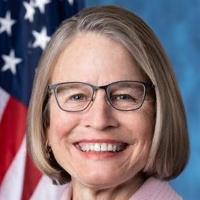
Mariannette Miller-Meeks
Representative
IA
Mariannette Miller-Meeks
Representative
IA
The Cooper Davis and Devin Norring Act mandates that electronic communication and remote computing service providers must report to the Attorney General within 60 days upon gaining actual knowledge of illegal activity involving fentanyl, methamphetamine, or counterfeit prescription drugs. This legislation outlines specific reporting requirements, penalties for non-compliance, and privacy protections that limit monitoring and data retention. The Act also requires the Attorney General to issue an annual public report detailing the statistics of these reports.