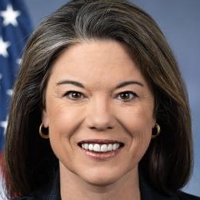
Legislative Activity
Track Angie's sponsored bills, co-sponsored legislation, and voting record
This act enhances protections for Medicare beneficiaries receiving orthotic and prosthetic care by ensuring required training accompanies direct shipments and expanding exemptions within competitive acquisition programs.
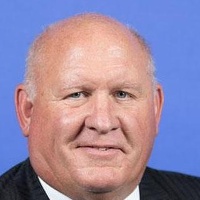
Glenn Thompson
Representative
PA
Glenn Thompson
Representative
PA
The Medicare Orthotics and Prosthetics Patient-Centered Care Act aims to enhance protections for Medicare beneficiaries receiving custom braces and artificial limbs. This bill ensures that payment will not be made for certain devices shipped directly to a patient without required training from a qualified practitioner. Additionally, it expands exemptions from competitive bidding for certain providers and clarifies access to replacement custom orthotic devices.
The Price Gouging Prevention Act of 2025 prohibits selling goods or services at grossly excessive prices, especially following exceptional market shocks, and mandates new revenue and pricing disclosures for companies filing with the SEC.

Janice Schakowsky
Representative
IL
Janice Schakowsky
Representative
IL
The Price Gouging Prevention Act of 2025 establishes federal prohibitions against selling goods or services at "grossly excessive prices," particularly following an "exceptional market shock." The bill grants enforcement authority to the Federal Trade Commission (FTC) and allows State Attorneys General to bring actions against violators. Furthermore, it mandates that companies experiencing a market shock must provide detailed financial and pricing strategy disclosures in subsequent SEC filings.
This bill reauthorizes the Public Health and Bio-Preparedness Workforce Loan Repayment Program through fiscal year 2030.
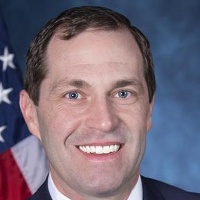
Jason Crow
Representative
CO
Jason Crow
Representative
CO
This bill reauthorizes the Public Health and Bio-Preparedness Workforce Loan Repayment Program through fiscal year 2030. It ensures continued support for professionals working in public health and bio-preparedness by extending their eligibility for loan repayment. This action secures the program for five additional years.
This Act mandates federal standards requiring employers to implement comprehensive heat illness and injury prevention programs to protect workers from dangerous heat stress.
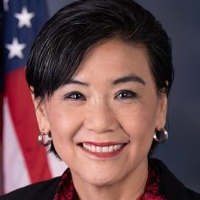
Judy Chu
Representative
CA
Judy Chu
Representative
CA
The Asunción Valdivia Heat Illness, Injury, and Fatality Prevention Act of 2025 mandates that employers protect workers from dangerous heat stress by establishing comprehensive safety standards. This Act requires the Secretary of Labor to create evidence-based rules covering engineering controls, administrative procedures, required training, and paid rest breaks to prevent heat-related illness. Furthermore, the law establishes strict enforcement mechanisms, whistleblower protections, and specific timelines for the implementation of these new federal heat protection standards.
This Act establishes federal funding for research, state grants, and public awareness campaigns aimed at improving the early detection, intervention, and treatment of uterine fibroids.

Shontel Brown
Representative
OH
Shontel Brown
Representative
OH
The Uterine Fibroid Intervention and Gynecological Health Treatment Act of 2025 aims to improve the detection and treatment of uterine fibroids. It mandates federal research to develop evidence-based early detection strategies and establishes grant programs for states to fund screening, education, and intervention services, prioritizing vulnerable populations. Furthermore, the bill allocates funding for research into pain management related to fibroid surgery and other uterine conditions.
This Act establishes increased federal research, public education, and provider information dissemination regarding uterine fibroids, with a focus on addressing racial disparities and non-hysterectomy treatment options.
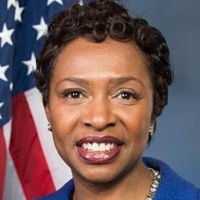
Yvette Clarke
Representative
NY
Yvette Clarke
Representative
NY
The Stephanie Tubbs Jones Uterine Fibroid Research and Education Act of 2025 aims to significantly increase federal research, public education, and provider awareness regarding uterine fibroids. The bill mandates expanded research coordination across federal agencies and authorizes funding to study the condition, which disproportionately affects minority women. It also requires the creation of public awareness campaigns detailing non-hysterectomy treatment options and mandates data collection on Medicaid/CHIP spending for fibroid treatments.
The Farmers First Act of 2025 significantly increases funding and mandates crisis line support for the Farm and Ranch Stress Assistance Network while formalizing referral options to comprehensive healthcare providers for farmers and ranchers.
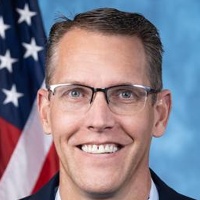
Randy Feenstra
Representative
IA
Randy Feenstra
Representative
IA
The Farmers First Act of 2025 significantly strengthens support for agricultural producers by enhancing the Farm and Ranch Stress Assistance Network. This legislation increases annual funding for the network and mandates the inclusion of dedicated crisis lines within supported programs. Furthermore, it formalizes partnerships between grant recipients and various healthcare providers to ensure comprehensive access to mental health and substance use treatment for farmers and ranchers.
This Act extends funding allocation rules for sport fish restoration, removes spending caps for the Interstate Fisheries Commission, prioritizes alternative fuel infrastructure for recreational boating, and reduces the excise tax on portable, electronically-aerated bait containers.

Debbie Dingell
Representative
MI
Debbie Dingell
Representative
MI
The Sport Fish Restoration, Recreational Boating Safety, and Wildlife Restoration Act of 2025 extends the timeline for current Sport Fish Restoration funding allocation rules until 2031 and removes the spending cap for Interstate Fisheries Commission activities. The bill also updates boating infrastructure priorities to specifically include funding for alternative marine fuel facilities for larger vessels. Finally, it significantly reduces the federal excise tax rate on portable, electronically-aerated bait containers from 10 percent to 3 percent.
This comprehensive act establishes federal entitlements and grants to ensure access to affordable, high-quality child care and universal preschool for young children while significantly increasing compensation for early childhood educators.
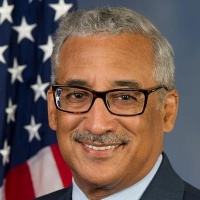
Robert Scott
Representative
VA
Robert Scott
Representative
VA
The Child Care for Working Families Act establishes comprehensive federal programs to ensure access to high-quality, affordable child care and universal preschool for young children. The legislation creates an entitlement program for child care, mandates that provider reimbursement rates cover actual costs and ensure living wages for staff, and establishes free, universal preschool for 3- and 4-year-olds. Additionally, it provides dedicated funding to stabilize childcare providers and extend the operating hours and compensation for Head Start staff.
This bill authorizes the creation and sale of commemorative coins for the 2028 Los Angeles and 2034 Salt Lake City Olympic and Paralympic Games to help fund the events, with all surcharges going to the respective organizing committees after covering production costs.
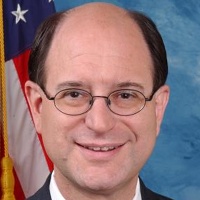
Brad Sherman
Representative
CA
Brad Sherman
Representative
CA
This Act authorizes the Secretary of the Treasury to mint and sell special commemorative coins for the 2028 Los Angeles Olympic and Paralympic Games and the 2034 Salt Lake City Winter Olympic and Paralympic Games. The coins will feature designs celebrating American athletes and the Games themselves. All surcharges collected from the sale of these coins will be directed to the respective organizing committees to help fund the events and related youth sports programs. The entire program must be conducted at no cost to the U.S. Government.
The PBM Reform Act of 2025 mandates sweeping changes to increase transparency, ensure fair pharmacy access in Medicare, and prohibit abusive spread pricing in Medicaid by holding Pharmacy Benefit Managers accountable for their financial dealings.
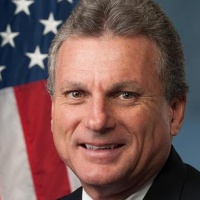
Earl Carter
Representative
GA
Earl Carter
Representative
GA
The Pharmacy Benefit Manager Reform Act of 2025 aims to increase transparency and accountability across the prescription drug supply chain. It mandates fairer pharmacy network access for Medicare beneficiaries and imposes strict new financial reporting and service fee requirements on Pharmacy Benefit Managers (PBMs) working with Medicare and private health plans. Furthermore, the bill establishes new federal mechanisms to accurately track drug acquisition costs in Medicaid and explicitly bans the practice of "spread pricing" in state Medicaid contracts.
This resolution expresses support for designating July 10th as Journeyman Lineworkers Recognition Day to honor the dangerous and essential service provided by these workers, especially during crises.

Linda Sánchez
Representative
CA
Linda Sánchez
Representative
CA
This resolution expresses support for designating July 10th as Journeyman Lineworkers Recognition Day. It honors the essential and dangerous work performed by these skilled professionals, especially their heroic efforts in restoring power after major disasters. The day serves to recognize their service and remember those who have lost their lives performing this vital work.
This Act mandates fire safety inspections and establishes a grant program to fund the installation of automatic sprinkler systems in certain public housing projects.
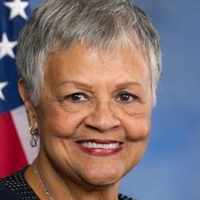
Bonnie Watson Coleman
Representative
NJ
Bonnie Watson Coleman
Representative
NJ
The Public Housing Fire Safety Act mandates that the Secretary of HUD report to Congress on the presence of automatic sprinkler systems in public housing, paying special attention to currently exempt projects. The Act also establishes a competitive grant program, funded by an annual $25 million appropriation to the Capital Fund, to help public housing agencies install sprinklers in those previously exempt buildings. This legislation focuses on data collection and providing funding for voluntary upgrades, rather than forcing immediate installation in all exempt properties.
This Act updates the Higher Education Act of 1965 to explicitly include Head Start and Early Head Start programs under the definition of eligible community services.
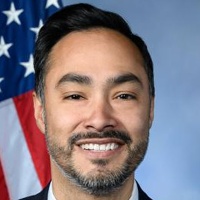
Joaquin Castro
Representative
TX
Joaquin Castro
Representative
TX
The Head Start for Our Future Act updates the Higher Education Act of 1965 by replacing the term "literacy training" with "child development and early learning" when describing eligible community services. This change explicitly ensures that Head Start and Early Head Start programs are recognized under this section of the law. The bill aims to better reflect the comprehensive nature of early childhood education services.
This bill establishes a grant program to help high-need school districts hire, retain, and diversify mental health professionals to expand student access to services.
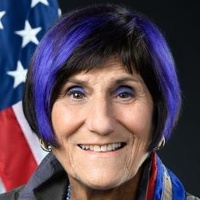
Rosa DeLauro
Representative
CT
Rosa DeLauro
Representative
CT
The Expanding Access to Mental Health Services in Schools Act of 2025 establishes a new federal grant program to increase the number of mental health professionals in high-need school districts. This funding is specifically designed to help eligible agencies recruit, hire, and retain school counselors, psychologists, and social workers. Grantees must demonstrate a plan to improve student-to-provider ratios and report annually on staffing improvements and provider retention.
This Act prohibits the use of Medicaid funding for any paid service aimed at changing an individual's sexual orientation or gender identity.

Shri Thanedar
Representative
MI
Shri Thanedar
Representative
MI
This bill, the Prohibition of Medicaid Funding for Conversion Therapy Act, prohibits Medicaid plans from using federal funds to pay for conversion therapy services. Conversion therapy is defined as any paid practice aimed at changing an individual's sexual orientation or gender identity. This legislation ensures that taxpayer dollars do not support efforts to alter a person's core identity.
The Treat and Reduce Obesity Act of 2025 expands Medicare coverage for intensive behavioral therapy for obesity and mandates Part D coverage for certain weight management medications for eligible beneficiaries.
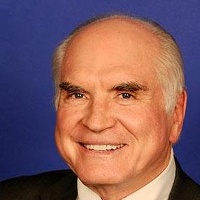
Mike Kelly
Representative
PA
Mike Kelly
Representative
PA
The Treat and Reduce Obesity Act of 2025 aims to combat the growing obesity epidemic, particularly among older adults, by expanding access to intensive behavioral therapy under Medicare. This bill mandates that Medicare Part D plans begin covering FDA-approved medications for obesity and weight management in individuals with related health conditions. Finally, it requires the Secretary of HHS to report regularly to Congress on the implementation and coordination of these new obesity treatment strategies.
This Act mandates that federal officers involved in border security or immigration enforcement must clearly display identification, wear visible uniforms or badges, and not conceal their faces during detentions or arrests.

Dan Goldman
Representative
NY
Dan Goldman
Representative
NY
The No Secret Police Act of 2025 mandates that federal officers engaged in border security or immigration enforcement must clearly display identification, wear visible badges or uniforms, and refrain from wearing face coverings during detentions or arrests. This ensures accountability by requiring clear identification from Department of Homeland Security (DHS) personnel. The bill also requires the Secretary of Homeland Security to report on current tactical gear policies and research methods to improve officer visibility.
The CONNECT for Health Act of 2025 permanently expands Medicare telehealth access by removing geographic restrictions, increasing practitioner flexibility, bolstering program integrity, and mandating supports for quality remote care delivery.
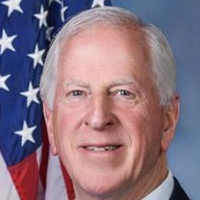
Mike Thompson
Representative
CA
Mike Thompson
Representative
CA
The CONNECT for Health Act of 2025 significantly expands and permanently secures access to Medicare telehealth services by eliminating outdated geographic restrictions and allowing more practitioners to offer remote care. The bill also strengthens program integrity by dedicating funds for telehealth oversight while clarifying rules around providing necessary technology to patients. Finally, it mandates the creation of tailored educational resources and public reporting to improve quality measurement and transparency in remote care delivery.
This resolution expresses Congressional support for LGBTQI+ equality and designates June 26th as "LGBTQI+ Equality Day" to commemorate key legal victories and highlight the need for further anti-discrimination legislation.
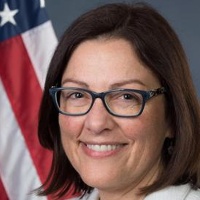
Suzan DelBene
Representative
WA
Suzan DelBene
Representative
WA
This resolution expresses the House's support for the rights and freedoms of LGBTQI+ individuals across the United States. It recognizes key Supreme Court decisions that advanced equality and highlights the ongoing need for comprehensive legal protections against discrimination. Finally, the bill proposes designating June 26th as "LGBTQI+ Equality Day" to commemorate these legal victories.