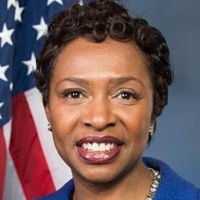
Legislative Activity
Track Yvette's sponsored bills, co-sponsored legislation, and voting record
The Supporting VA Families Act provides Department of Veterans Affairs employees with four additional weeks of unpaid parental leave following the birth, adoption, or foster placement of a child.
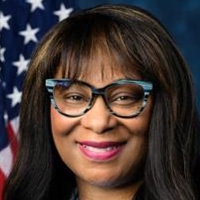
Janelle Bynum
Representative
OR
Janelle Bynum
Representative
OR
The Supporting VA Families Act establishes a supplemental parental leave program for Department of Veterans Affairs employees. This legislation provides eligible staff with four additional administrative weeks of unpaid leave following the birth, adoption, or foster care placement of a child. This benefit is designed to supplement, rather than replace, existing family and medical leave entitlements.
The Social Determinants for Moms Act establishes federal grant programs and a dedicated task force to improve maternal health outcomes by addressing the nonclinical social factors that impact pregnant and postpartum individuals.
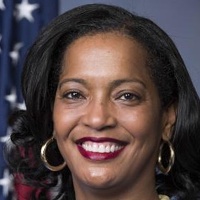
Jahana Hayes
Representative
CT
Jahana Hayes
Representative
CT
The Social Determinants for Moms Act aims to reduce maternal mortality and health disparities by addressing the nonclinical factors that impact pregnancy and postpartum outcomes. The bill establishes federal grant programs to provide essential services—such as housing, nutrition, transportation, and childcare—to pregnant and postpartum individuals. Additionally, it creates a federal task force to coordinate cross-agency strategies to improve maternal health and support community-led initiatives across the country.
The Energy Bills Relief Act aims to lower energy costs for families by reversing clean energy rollbacks, expanding assistance programs, streamlining grid upgrades, and increasing transparency in utility regulation.
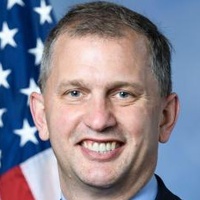
Sean Casten
Representative
IL
Sean Casten
Representative
IL
The Energy Bills Relief Act is a comprehensive bill designed to lower energy costs for American families, accelerate the deployment of low-cost, clean energy, and modernize the nation's electricity grid. It achieves this by reversing harmful policies against renewables, expanding energy assistance programs, streamlining grid connection processes, and increasing transparency in utility regulation. Ultimately, the legislation aims to create a more reliable, affordable, and cleaner energy system while ensuring communities have a stronger voice in energy development.
The Momnibus Act is a comprehensive legislative package designed to improve maternal health outcomes and reduce racial disparities by addressing social determinants, expanding nutritional and mental health support, diversifying the perinatal workforce, and investing in data-driven, community-based care.
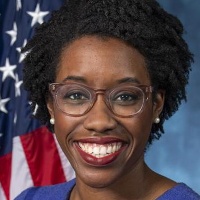
Lauren Underwood
Representative
IL
Lauren Underwood
Representative
IL
The Momnibus Act is a comprehensive legislative package designed to end preventable maternal mortality and close racial and ethnic disparities in maternal health outcomes. By addressing social determinants of health, expanding nutritional and mental health support, and investing in a diverse, culturally competent workforce, the bill provides a holistic framework for improving care. Through targeted federal grants, enhanced data collection, and innovative technology, the Act aims to ensure that all pregnant and postpartum individuals receive the equitable, high-quality care they deserve.
This bill exempts H-1B healthcare workers from a $100,000 entry fee to help address workforce shortages.
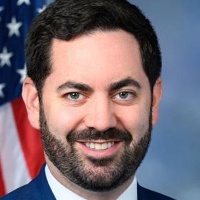
Michael Lawler
Representative
NY
Michael Lawler
Representative
NY
The H-1Bs for Physicians and the Healthcare Workforce Act exempts healthcare workers from a $100,000 entry fee requirement currently imposed on certain H-1B nonimmigrant visa petitions. This legislation aims to remove financial barriers for medical professionals, ensuring they are not subject to fees exceeding standard immigration costs.
The Enhanced Iran Sanctions Act of 2025 mandates broad economic and immigration sanctions on foreign individuals, entities, and financial institutions that support Iran’s nuclear, missile, drone, or terrorist activities, while specifically targeting the country's petroleum and petrochemical sectors.
Michael Lawler
Representative
NY
Michael Lawler
Representative
NY
The Enhanced Iran Sanctions Act of 2025 strengthens U.S. policy by imposing mandatory sanctions on foreign persons and financial institutions that support Iran’s nuclear, ballistic missile, drone, and terrorist activities. The bill specifically targets Iran’s petroleum and petrochemical sectors to cut off funding for these malign programs. Additionally, it expands the State Department’s "Rewards for Justice" program to incentivize the reporting of individuals who evade these sanctions.
This resolution recognizes the Girl Scouts of the United States of America on its 114th birthday and designates March 12, 2026, as "Girl Scouts of the United States of America Day."
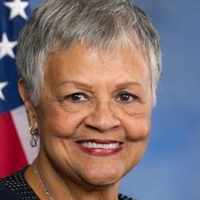
Bonnie Watson Coleman
Representative
NJ
Bonnie Watson Coleman
Representative
NJ
This resolution recognizes the Girl Scouts of the United States of America on its 114th birthday and designates March 12, 2026, as "Girl Scouts of the United States of America Day." It celebrates the organization's legacy of empowering girls through leadership, character development, and community service. Additionally, the bill honors the 2025 Gold Award recipients and encourages the continued support of future women leaders.
This bill amends the Fair Labor Standards Act to extend minimum wage and overtime protections to home care workers by removing certain exemptions for casual babysitting and caregiving services.
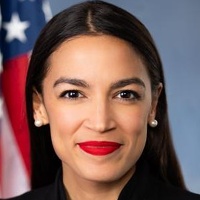
Alexandria Ocasio-Cortez
Representative
NY
Alexandria Ocasio-Cortez
Representative
NY
The Fair Wages for Home Care Workers Act amends the Fair Labor Standards Act to ensure essential wage and overtime protections for caregivers. By updating definitions and removing outdated exemptions, the bill guarantees that home care workers receive the fair compensation and labor standards they deserve.
This resolution expresses the House's support for designating March 2026 as Music in Our Schools Month to recognize the value and address inequities in music education.
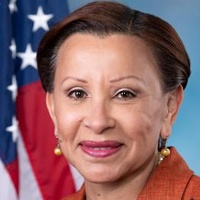
Nydia Velázquez
Representative
NY
Nydia Velázquez
Representative
NY
This resolution expresses the House of Representatives' support for designating March 2026 as Music in Our Schools Month. It highlights the fundamental value of music education for cultural heritage, student development, and national identity. The bill also recognizes significant inequities in access to music programs across different communities.
This resolution urges the President to order U.S. flags flown at half-staff to honor the life and legacy of civil rights leader Reverend Jesse Jackson.
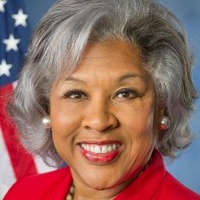
Joyce Beatty
Representative
OH
Joyce Beatty
Representative
OH
This resolution formally honors the life and enduring legacy of civil rights leader Reverend Jesse Louis Burns Jackson, Sr. It recognizes his significant contributions to the Civil Rights Movement, including his work with Dr. Martin Luther King, Jr. and his founding of Operation PUSH. The bill specifically urges the President to order that the U.S. flag be flown at half-staff in his memory.
The WELLS Act mandates standardized discharge planning for pregnant patients in Medicare-participating hospitals, expands rural maternal care training, and establishes new initiatives to improve maternal health outcomes and data transparency.
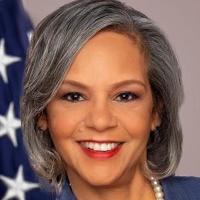
Robin Kelly
Representative
IL
Robin Kelly
Representative
IL
The WELLS Act aims to improve maternal health outcomes by mandating comprehensive discharge planning for pregnant patients in Medicare-participating hospitals. The bill also expands rural obstetric training programs with a focus on racial bias, establishes a research initiative to evaluate maternal healthcare training models, and creates a public dashboard to track national maternal health data.
The GAAME Act of 2026 mandates and expands access to standards-based arts and music education within Title I schools to support comprehensive student achievement.
Nydia Velázquez
Representative
NY
Nydia Velázquez
Representative
NY
The GAAME Act of 2026 mandates that Title I schools provide students with sequential, standards-based arts and music education taught by certified professionals. By integrating these programs into school-wide and targeted assistance plans, the bill ensures equitable access to a well-rounded education that supports academic achievement.
The Welcoming International Success Act invalidates the September 2025 presidential proclamation restricting H-1B visa entries and wage levels, prohibiting the use of federal funds for its enforcement.
Bonnie Watson Coleman
Representative
NJ
Bonnie Watson Coleman
Representative
NJ
The Welcoming International Success Act invalidates the September 19, 2025, presidential proclamation that restricted H-1B visa eligibility and wage levels. This legislation ensures the proclamation has no legal force or effect and prohibits the use of federal funds for its implementation.
This resolution honors the life, legacy, and enduring commitment to civil rights and equality of Reverend Jesse Louis Jackson, Sr.
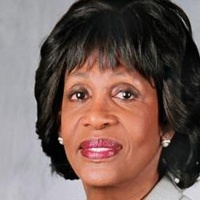
Maxine Waters
Representative
CA
Maxine Waters
Representative
CA
This resolution honors the life, leadership, and enduring legacy of Reverend Jesse Louis Jackson, Sr. It recognizes his pivotal role as a civil rights leader, his groundbreaking political campaigns, and his global advocacy for human rights and equality. The measure encourages all Americans to continue his work by moving forward with hope rather than fear and division.
The Direct File Act of 2026 establishes a permanent, free, government-owned online tax filing system within the IRS while prohibiting agreements that restrict the government from providing tax preparation services.
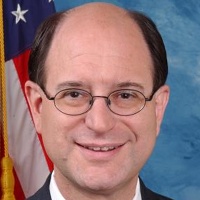
Brad Sherman
Representative
CA
Brad Sherman
Representative
CA
The Direct File Act of 2026 establishes a permanent, free, government-owned online tax filing system within the IRS, ensuring taxpayers have a simplified and accessible way to file their returns. The bill prohibits the Treasury from entering into agreements that restrict the government's ability to provide these services and mandates the integration of state tax filing options. Additionally, it streamlines the tax process by setting new filing deadlines for employer information returns to improve efficiency for all taxpayers.
This bill establishes a loan forgiveness and deferment program to incentivize mental health professionals to work in underserved areas.
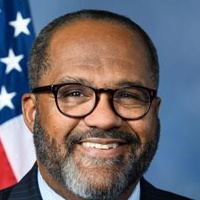
Troy Carter
Representative
LA
Troy Carter
Representative
LA
This bill aims to strengthen the mental health workforce by establishing a loan deferment and forgiveness program for professionals who commit to working in underserved areas. Eligible mental health providers can receive up to $200,000 in student loan repayment after completing five years of full-time service in a designated shortage area. The program specifically supports students and graduates from minority-serving institutions to help expand access to behavioral and substance use care.
This bill mandates that the Bureau of Prisons employ obstetrician-gynecologists at facilities with female prisoners to ensure comprehensive gynecological, prenatal, and postpartum care.
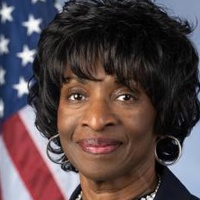
Valerie Foushee
Representative
NC
Valerie Foushee
Representative
NC
The Ensuring OBGYN Care in Prisons Act mandates that the Bureau of Prisons employ full-time obstetrician-gynecologists at all facilities housing female prisoners. This bill ensures comprehensive gynecological, prenatal, and postpartum care, including required initial visits within 14 days of incarceration. Furthermore, it establishes patient protections like informed consent and the right to refuse non-emergency care. The Bureau of Prisons must also submit annual reports detailing staffing, services provided, and pregnancy outcomes.
This resolution recognizes the vital historical significance, economic impact, and essential role of Black history museums and cultural institutions in telling the full American story, especially leading up to the nation's 250th anniversary.
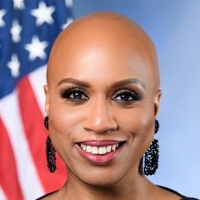
Ayanna Pressley
Representative
MA
Ayanna Pressley
Representative
MA
This resolution formally recognizes the vital historical significance and contributions of Black history museums and cultural institutions across the United States. It affirms that these essential pillars correct historical omissions by preserving irreplaceable records and telling a full, accurate American story. The bill encourages federal agencies and the public to support these institutions, especially as the nation approaches its 250th anniversary.
This resolution recognizes the historical significance of the Clotilda, condemns the U.S. role in the Atlantic slave trade, and acknowledges its lasting impact on African Americans.
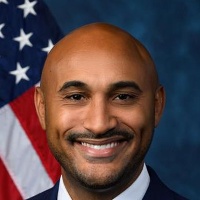
Shomari Figures
Representative
AL
Shomari Figures
Representative
AL
This resolution formally recognizes the historical significance of the *Clotilda*, the last known slave ship to arrive in the U.S. in 1860. It condemns the role of the United States in the Atlantic slave trade and acknowledges the lasting, intergenerational impact of this crime on African Americans, particularly the descendants who founded Africatown. The resolution encourages the establishment of a memorial on Capitol Grounds to honor the victims.
The African American History Act of 2026 authorizes the National Museum of African American History and Culture to develop and support educational programs, resources, and curricula to enhance the teaching of African American history nationwide.
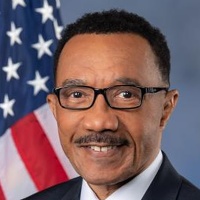
Kweisi Mfume
Representative
MD
Kweisi Mfume
Representative
MD
The African American History Act of 2026 authorizes the National Museum of African American History and Culture to develop and expand educational resources, curricula, and digital programming for students and educators nationwide. By providing $10 million in annual funding through 2030, the Act aims to promote a deeper understanding of African American history through a social justice and anti-bias lens. Additionally, the legislation encourages the development of similar educational initiatives across other Smithsonian museums dedicated to diverse American histories.