This bill exempts H-1B healthcare workers from a $100,000 entry fee to help address workforce shortages.
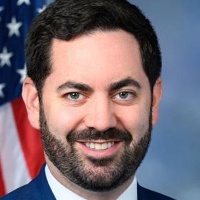
Michael Lawler
Representative
NY-17
The H-1Bs for Physicians and the Healthcare Workforce Act exempts healthcare workers from a $100,000 entry fee requirement currently imposed on certain H-1B nonimmigrant visa petitions. This legislation aims to remove financial barriers for medical professionals, ensuring they are not subject to fees exceeding standard immigration costs.
H-1B Healthcare Act Slashes $100,000 Entry Fee for Foreign Doctors and Nurses
The H-1Bs for Physicians and the Healthcare Workforce Act aims to break down a massive financial wall for foreign medical professionals looking to practice in the United States. Currently, certain H-1B visa pathways can carry a staggering $100,000 fee requirement for entry. This bill specifically carves out an exemption for anyone classified as part of the "health care workforce," ensuring that the price of admission for a surgeon or a nurse isn't a six-figure barrier that could keep them from filling a vacancy at a local hospital. By capping the costs at standard immigration fee levels, the legislation targets the high overhead of recruiting talent from abroad.
Cutting the Red Tape and the Price Tag
Under Section 2 of the bill, the $100,000 payment requirement is completely waived for healthcare workers. Instead, the bill mandates that fees cannot exceed the standard amounts already established in the Immigration and Nationality Act. This is a direct attempt to fix a supply-chain issue in the medical world. For a rural hospital administrator trying to recruit a specialist from overseas to staff a clinic, this change moves the needle from "financially impossible" to "manageable." It’s not just about the doctors themselves; it’s about the facilities that hire them and the budgets they have to manage.
Who Counts as Healthcare?
To keep things clear and avoid a bureaucratic guessing game, the bill uses the existing definition of "health care workforce" from the Affordable Care Act (Section 5101). This includes a wide range of professionals, from physicians and nurses to physical therapists and mental health providers. For a patient in a high-demand area who has been waiting six months to see a specialist, this bill could mean that specialist actually arrives in the country sooner. By removing the $100,000 barrier, the bill treats medical expertise as a priority rather than a luxury line item, focusing on getting staff into exam rooms without the prohibitive entry tax.