This bill establishes a loan forgiveness and deferment program to incentivize mental health professionals to work in underserved areas.
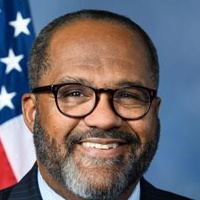
Troy Carter
Representative
LA-2
This bill aims to strengthen the mental health workforce by establishing a loan deferment and forgiveness program for professionals who commit to working in underserved areas. Eligible mental health providers can receive up to $200,000 in student loan repayment after completing five years of full-time service in a designated shortage area. The program specifically supports students and graduates from minority-serving institutions to help expand access to behavioral and substance use care.
Mental Health Workforce Expansion: Up to $200,000 Loan Forgiveness for 5-Year Service Commitments
This bill aims to fix the massive shortage of mental health professionals by offering a significant financial carrot: up to $200,000 in student loan forgiveness. To get the payout, providers must commit to working full-time for five consecutive years in areas officially designated as having a shortage of mental health professionals. The program is specifically designed to funnel talent into underserved communities while easing the debt burden for a wide range of specialists, from psychiatrists and psychologists to clinical social workers and marriage therapists.
The $200,000 Handshake
Under Section 1, the Secretary of Health and Human Services will cut deals with eligible providers to pay off the lesser of their total debt or $200,000. This isn't just for doctors; it covers a broad spectrum of the workforce, including nurse practitioners, physician assistants, and mental health counselors. While you're serving your five years, you won't have to pay a dime toward your loan principal. However, there’s a catch for your monthly budget: interest continues to rack up during those five years, and the bill requires you to pay that interest as it accrues. For a young professional just starting out, managing those interest payments on a modest salary in a high-need area is the primary hurdle to clear before reaching the big payoff at the end of year five.
Who Qualifies for the Clean Slate
The bill sets a specific bar for who can apply. You have to be enrolled in or accepted to a mental health program at a minority-serving institution—think HBCUs or Tribal Colleges—or be finishing up your clinical hours. This is a targeted effort to diversify the workforce while helping those who might be facing the steepest climbs in tuition costs. You also need a job offer in hand for a shortage area before you can officially sign the contract. Whether you’re a solo practitioner opening a small clinic in a rural town or a staffer at a large hospital serving a high-need urban neighborhood, the 5-year clock doesn't start until you're on the ground working full-time.
Impact on the Local Clinic
For someone living in a town where the nearest therapist is two hours away, this bill acts as a recruitment tool to bring care closer to home. By including substance use prevention and treatment loans in the eligible category, the bill also targets the frontline of the opioid crisis. The definition of "eligible loans" is broad, covering everything from Federal Direct Stafford Loans to Perkins Loans. For the professional, it’s a path to a debt-free career; for the community, it’s the difference between waiting six months for an appointment and getting help when a crisis hits. The success of the rollout will likely depend on how quickly the government can process these contracts and whether the interest-only payment requirement scares off the very graduates it’s trying to recruit.