Legislative Activity
Track Ed's sponsored bills, co-sponsored legislation, and voting record
This resolution designates April as "National Language Access Month" to promote awareness of and equitable access to essential public services for individuals with limited English proficiency.
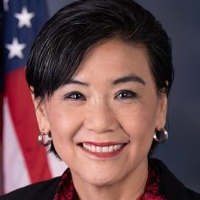
Judy Chu
Representative
CA
Judy Chu
Representative
CA
This resolution designates April as "National Language Access Month" to highlight the critical importance of providing language services for individuals with limited English proficiency. It encourages federal, state, and local entities to promote awareness of language rights and ensure equitable access to essential public programs and services for all Americans.
This resolution supports the goals and ideals of International Transgender Day of Visibility by celebrating the achievements of the transgender community and recognizing their ongoing fight for equality and dignity.

Sara Jacobs
Representative
CA
Sara Jacobs
Representative
CA
This resolution formally recognizes International Transgender Day of Visibility to celebrate the achievements and bravery of the transgender community. It highlights the ongoing challenges of discrimination and legislative threats faced by transgender individuals while honoring their significant historical and contemporary contributions to society. The bill encourages all Americans to observe the day and reaffirms a commitment to the fight for equal dignity and respect.
This Act mandates the implementation of security mechanisms on advanced integrated circuit products before export to protect U.S. technology and enhance national security.
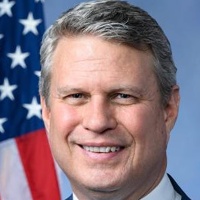
Bill Huizenga
Representative
MI
Bill Huizenga
Representative
MI
The Chip Security Act mandates the installation of security mechanisms on advanced integrated circuit products before they are exported from the United States. These requirements aim to verify chip location, prevent diversion, and protect U.S. technological leadership. The Secretary of Commerce must also study and implement additional security features to enhance export control enforcement and national security.
This resolution condemns China's coercive actions against Japan following statements on Taiwan and reaffirms the U.S. commitment to its Indo-Pacific allies.
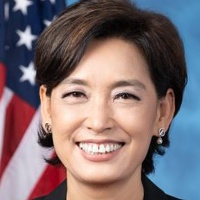
Young Kim
Representative
CA
Young Kim
Representative
CA
This resolution condemns the People's Republic of China's coercive military and economic actions against Japan following statements regarding Taiwan. It reaffirms the strong U.S.-Japan alliance and commitment to regional stability. Furthermore, the bill calls on the PRC to cease its pressure tactics and urges the U.S. to work with allies to counter such coercion in the Indo-Pacific.
The Native American Housing Assistance and Self-Determination Modernization Act of 2026 streamlines environmental reviews, reauthorizes critical housing funding, and expands support for tribal homeownership, veteran assistance, and infrastructure development.
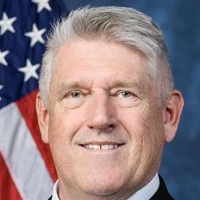
Troy Downing
Representative
MT
Troy Downing
Representative
MT
The Native American Housing Assistance and Self-Determination Modernization Act of 2026 streamlines federal housing programs to better support tribal communities. The bill simplifies environmental review processes, expands homeownership and rental assistance opportunities, and reauthorizes critical funding through 2032. Additionally, it enhances tribal authority over housing management, improves access to loan guarantees, and establishes new support programs for homeless or at-risk Native American veterans.
The Airport Regulatory Relief Act of 2025 allows states to utilize highway construction standards for runway projects at qualifying nonprimary airports, provided safety requirements are met.

Nicholas Begich
Representative
AK
Nicholas Begich
Representative
AK
The Airport Regulatory Relief Act of 2025 allows states to utilize their own highway construction standards for runway projects at nonprimary airports serving aircraft under 60,000 pounds. This legislation aims to streamline infrastructure improvements by permitting the use of state specifications, provided the Secretary of Transportation determines that safety standards are maintained.
This Act requires the Treasury Department to annually assess and report on the financial risks to the federal government from major fiscal shocks like recessions, disasters, or crises.

Ben Cline
Representative
VA
Ben Cline
Representative
VA
The Fiscal Contingency Preparedness Act mandates that the Treasury Department, in coordination with the OMB, include a new analysis of potential financial risks from major "fiscal shocks" in its annual report. This analysis must assess the short-term and long-term financial impacts of events like recessions, natural disasters, or cyber attacks on the federal government. The Government Accountability Office (GAO) will subsequently review the methodology and findings of this new fiscal assessment.
This bill amends the Federal Funding Accountability and Transparency Act to require federal award information to be posted publicly within three days of issuance rather than thirty.
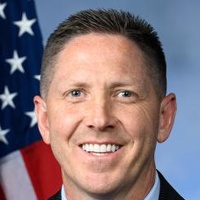
Josh Brecheen
Representative
OK
Josh Brecheen
Representative
OK
This bill amends the Federal Funding Accountability and Transparency Act of 2006 to increase government transparency. It mandates that information regarding federal awards be published online within three days of issuance, significantly accelerating the current 30-day reporting requirement to provide the public with near real-time access.
The Momnibus Act is a comprehensive legislative package designed to improve maternal health outcomes and reduce racial disparities by addressing social determinants, expanding nutritional and mental health support, diversifying the perinatal workforce, and investing in data-driven, community-based care.
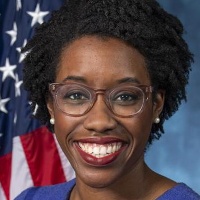
Lauren Underwood
Representative
IL
Lauren Underwood
Representative
IL
The Momnibus Act is a comprehensive legislative package designed to end preventable maternal mortality and close racial and ethnic disparities in maternal health outcomes. By addressing social determinants of health, expanding nutritional and mental health support, and investing in a diverse, culturally competent workforce, the bill provides a holistic framework for improving care. Through targeted federal grants, enhanced data collection, and innovative technology, the Act aims to ensure that all pregnant and postpartum individuals receive the equitable, high-quality care they deserve.
The Energy Bills Relief Act aims to lower energy costs for families by reversing clean energy rollbacks, expanding assistance programs, streamlining grid upgrades, and increasing transparency in utility regulation.

Sean Casten
Representative
IL
Sean Casten
Representative
IL
The Energy Bills Relief Act is a comprehensive bill designed to lower energy costs for American families, accelerate the deployment of low-cost, clean energy, and modernize the nation's electricity grid. It achieves this by reversing harmful policies against renewables, expanding energy assistance programs, streamlining grid connection processes, and increasing transparency in utility regulation. Ultimately, the legislation aims to create a more reliable, affordable, and cleaner energy system while ensuring communities have a stronger voice in energy development.
This bill protects the Chí’chil Biłdagoteel Historic District by prohibiting mineral extraction and land transfers to ensure the preservation of this sacred site for Native American tribes.
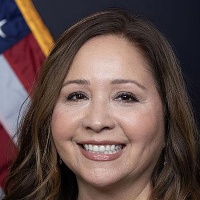
Adelita Grijalva
Representative
AZ
Adelita Grijalva
Representative
AZ
The Preserve the Traditional Cultural Place Chí’chil Biłdagoteel Historic District Act seeks to protect the sacred Oak Flat area by prohibiting all mineral exploration, development, and extraction activities on National Forest System land within the district. The bill mandates that the Secretary of Agriculture manage the area to preserve its cultural and historical integrity in consultation with affected Indian Tribes. Additionally, it prevents the transfer of these lands to Resolution Copper, ensuring the site remains protected from industrial development.
This bill reauthorizes and updates the Integrated Coastal and Ocean Observation System Act of 2009 to expand oceanographic research capabilities and authorize $47.5 million in annual funding through 2030.
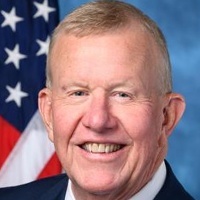
Mike Ezell
Representative
MS
Mike Ezell
Representative
MS
This bill reauthorizes the Integrated Coastal and Ocean Observation System Act of 2009, updating its governing structure and expanding the scope of its oceanographic research and data-sharing capabilities. It also mandates improved collaboration between regional and federal observing systems to enhance data integration. Additionally, the legislation authorizes $47.5 million in annual funding for these initiatives from fiscal years 2026 through 2030.
The Enhanced Iran Sanctions Act of 2025 mandates broad economic and immigration sanctions on foreign individuals, entities, and financial institutions that support Iran’s nuclear, missile, drone, or terrorist activities, while specifically targeting the country's petroleum and petrochemical sectors.
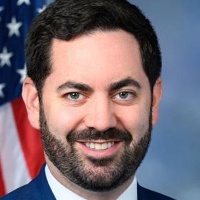
Michael Lawler
Representative
NY
Michael Lawler
Representative
NY
The Enhanced Iran Sanctions Act of 2025 strengthens U.S. policy by imposing mandatory sanctions on foreign persons and financial institutions that support Iran’s nuclear, ballistic missile, drone, and terrorist activities. The bill specifically targets Iran’s petroleum and petrochemical sectors to cut off funding for these malign programs. Additionally, it expands the State Department’s "Rewards for Justice" program to incentivize the reporting of individuals who evade these sanctions.
This resolution commemorates the five-year remembrance of the 2021 Atlanta spa shootings while condemning ongoing anti-Asian hate, xenophobia, and violence.

Grace Meng
Representative
NY
Grace Meng
Representative
NY
This resolution commemorates the five-year remembrance of the March 16, 2021, Atlanta spa shootings and honors the memory of the eight victims. It denounces the ongoing rise of anti-Asian hate, xenophobia, and misogyny while reaffirming the federal government's commitment to combating hate crimes through improved reporting, education, and community support.
The BRUSH Fires Act mandates a comprehensive study by the Forest Service to improve wildfire mitigation strategies and effectiveness specifically within shrubland ecosystems.
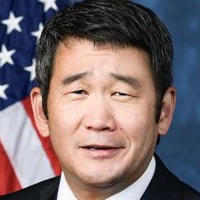
Dave Min
Representative
CA
Dave Min
Representative
CA
The BRUSH Fires Act mandates a comprehensive, one-year study by the Forest Service to evaluate the effectiveness of current wildfire mitigation methods in shrubland ecosystems. This study must analyze fuel management, ignition source control, and implementation hurdles to determine best practices. The resulting report will provide Congress with recommendations for improving fire risk reduction and enhancing partnerships to protect communities near wildlands.
This bill requires the President’s annual budget and the Congressional budget resolution to include explicit reporting on public debt-to-GDP and deficit-to-GDP ratios.
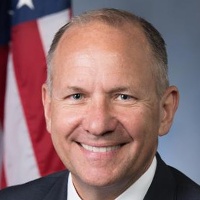
Lloyd Smucker
Representative
PA
Lloyd Smucker
Representative
PA
The Debt-to-GDP Transparency and Stabilization Act mandates that both the President’s annual budget submission and the Congressional budget resolution include clear data on public debt and deficit ratios relative to the Gross Domestic Product (GDP). This legislation aims to increase fiscal transparency by ensuring these key economic indicators are consistently reported in federal budget documents.
This bill strengthens democracy by banning foreign spending in U.S. elections, increasing transparency for "dark money" in politics, and mandating clear disclosure of funders in political advertising.

Chris Pappas
Representative
NH
Chris Pappas
Representative
NH
The Democracy Is Strengthened by Casting Light On Spending in Elections Act of 2026 aims to increase transparency and security in U.S. elections. It closes loopholes to ban foreign national spending in elections, mandates disclosure for "dark money" political spending, and requires clear funding disclosures on political ads. The bill also centralizes legal challenges to campaign finance laws in Washington, D.C., for faster resolution.
This resolution expresses support for designating February 2026 as Hawaiian Language Month to recognize and promote the revitalization of the Native Hawaiian language, ʻŌlelo Hawaiʻi.
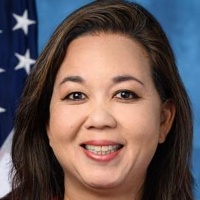
Jill Tokuda
Representative
HI
Jill Tokuda
Representative
HI
This resolution expresses support for designating February 2026 as Hawaiian Language Month, or *ʻŌlelo Hawaiʻi* Month. It recognizes the historical suppression and recent revitalization of the Native Hawaiian language. The bill commits to preserving and promoting *ʻŌlelo Hawaiʻi* and urges public celebration of the month.
This bill officially recognizes the cultural and historical significance of Lunar New Year in 2026 and expresses respect for those who celebrate it.
Grace Meng
Representative
NY
Grace Meng
Representative
NY
This bill officially recognizes the cultural and historical significance of Lunar New Year, specifically in 2026, the Year of the Horse. It expresses deep respect for Asian American communities and all who celebrate this important occasion. The resolution concludes by offering wishes for a happy and prosperous new year to all observers.
This bill appropriates funding and establishes operational rules for the Department of Homeland Security for Fiscal Year 2026 across management, security, preparedness, and research functions, while imposing strict oversight and spending restrictions.

Rosa DeLauro
Representative
CT
Rosa DeLauro
Representative
CT
This bill provides the funding and establishes the operational rules for the Department of Homeland Security (DHS) for Fiscal Year 2026 across all major components, including intelligence, security operations, emergency management, and research. It allocates billions for agencies like TSA, Coast Guard, FEMA, and CISA while imposing strict new requirements for congressional oversight, spending transparency, and management of federal grants. The legislation also includes specific policy directives, such as mandating security screening for senior officials and restricting certain intelligence and contracting activities.