Legislative Activity
Track Ed's sponsored bills, co-sponsored legislation, and voting record
This act mandates the Treasury Secretary to report detailed debt reduction plans to Congress before raising the debt limit and requires the Treasury to provide specific national debt data to key congressional committees upon request.
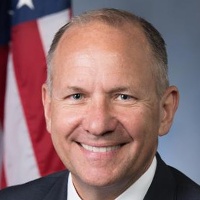
Lloyd Smucker
Representative
PA
Lloyd Smucker
Representative
PA
The Debt Solution and Accountability Act requires the Secretary of the Treasury to provide Congress with detailed reports on the national debt and the President's debt-reduction plans before the debt limit is increased. This legislation also mandates that the Treasury Department provide specific national debt data to key Congressional committees upon request. Ultimately, the bill aims to increase transparency and accountability surrounding federal debt management.
This bill imposes comprehensive sanctions on Russia for its war against Ukraine while permanently extending the U.S. sanctions authority against Iran.
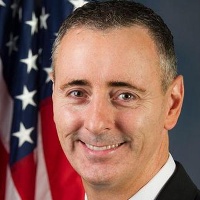
Brian Fitzpatrick
Representative
PA
Brian Fitzpatrick
Representative
PA
The Peace Through Strength Against Russia Act of 2025 imposes comprehensive sanctions on Russia's financial, military, and energy sectors in response to its war against Ukraine. This legislation cuts off major Russian banks from the U.S. financial system and bans new American investment in Russia. Additionally, the bill makes the existing sanctions authority against Iran permanent by removing its expiration date.
This resolution condemns the antisemitic shooting in Sydney, Australia, and reaffirms the commitment to combating all forms of religious hatred and violence.
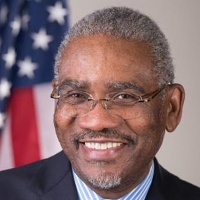
Gregory Meeks
Representative
NY
Gregory Meeks
Representative
NY
This resolution strongly condemns the antisemitic shooting attack during a Hanukkah celebration in Sydney, Australia. It expresses solidarity with the victims, their families, and the Jewish community worldwide. Furthermore, the bill reaffirms the U.S. commitment to combating all forms of religious hatred and violence.
This bill establishes a digital system for military beneficiaries to file and track complaints about access to care at military medical facilities and mandates an annual report analyzing these issues.
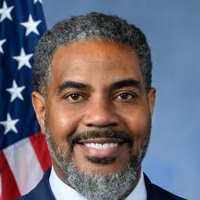
Steven Horsford
Representative
NV
Steven Horsford
Representative
NV
The Military CARE Act establishes a digital system for military beneficiaries to easily file and track complaints regarding access to care at military medical facilities. It mandates the creation of an annual report analyzing these complaints to identify trends and inform improvements. This aims to enhance transparency and accountability in military healthcare access.
This Act establishes a grant program to fund state, local, and Tribal governments for the complete destruction of firearms.
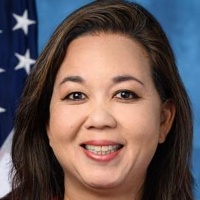
Jill Tokuda
Representative
HI
Jill Tokuda
Representative
HI
The Restoring Trust in Public Safety Act establishes a grant program to fund the complete destruction of firearms by state, local, and Tribal governments. Eligible entities can apply for competitive grants to cover costs associated with destruction equipment, services, and training. Grantees must certify that all firearms and components are fully destroyed and maintain detailed records of the process.
This act nullifies a recent Executive Order regarding federal labor relations and ensures existing collective bargaining agreements remain in effect.
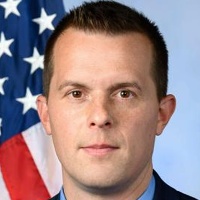
Jared Golden
Representative
ME
Jared Golden
Representative
ME
The Protect America's Workforce Act nullifies a specific Executive Order issued in March 2025 concerning exclusions from federal labor-management relations programs. This legislation ensures that any existing collective bargaining agreements between federal agencies and employee unions remain fully in effect until their stated expiration dates. The Act also prohibits the use of federal funds to implement the overturned Executive Order.
This act restores access to professional degrees by amending the Higher Education Act to remove specific annual and aggregate loan limits for graduate and professional students.
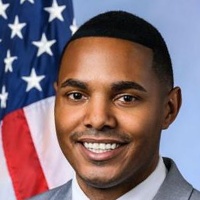
Ritchie Torres
Representative
NY
Ritchie Torres
Representative
NY
The Professional Degree Access Restoration Act amends the Higher Education Act to eliminate specific annual and aggregate loan limits for Federal Direct PLUS Loans made to graduate and professional students. This action removes previous restrictions on the maximum amount graduate students can borrow through these federal loan programs.
This bill commemorates the 50th anniversary of Southeast Asian refugee resettlement and honors the enduring contributions and sacrifices of Southeast Asian Americans to the United States.
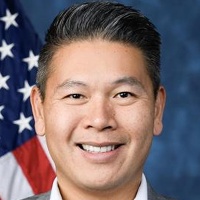
Derek Tran
Representative
CA
Derek Tran
Representative
CA
This bill commemorates the 50th anniversary of Southeast Asian refugee resettlement in the United States, recognizing the profound sacrifices and immense contributions of Southeast Asian Americans. It honors the historical alliance and acknowledges the challenges faced by these communities since their arrival. The legislation celebrates the vibrant cultural and economic impact of over three million Southeast Asian Americans today.
This bill extends enhanced premium tax credits for 2026, establishes strict anti-fraud measures for health insurance agents and brokers, imposes new accountability and transparency requirements on Pharmacy Benefit Managers (PBMs) in Medicare, and extends the 2026 open enrollment period.
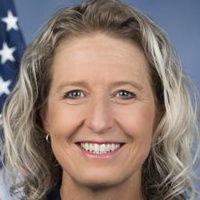
Jennifer Kiggans
Representative
VA
Jennifer Kiggans
Representative
VA
The CommonGround for Affordable Health Care Act extends enhanced premium tax credits for Marketplace health insurance through 2026, while also establishing strict new penalties and verification processes to combat fraud by agents and brokers in health insurance exchanges. Furthermore, the bill imposes significant new transparency and accountability requirements on Pharmacy Benefit Managers (PBMs) contracting with Medicare Part D plans. Finally, it extends the 2026 open enrollment period and creates a fast-track legislative process for future premium tax credit reform bills.
This bill establishes the DHS Grants Accountability Act to set stricter timelines for announcing, applying for, and using funds from key homeland security, transit, and port security grant programs.
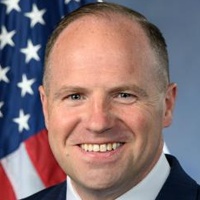
Timothy Kennedy
Representative
NY
Timothy Kennedy
Representative
NY
The DHS Grants Accountability Act aims to improve the efficiency and transparency of key homeland security grant programs. This legislation establishes stricter deadlines for the Department of Homeland Security to announce funding, issue notices, and for recipients to utilize grant money for preparedness, transit, and port security. Overall, the bill mandates clearer timelines to ensure funds are awarded and spent more predictably.
The Right to Read Act of 2025 establishes definitions for effective school libraries and the right to read, amends federal education law to require state and local plans supporting these rights, authorizes funding for literacy programs, and mandates data collection on school libraries.
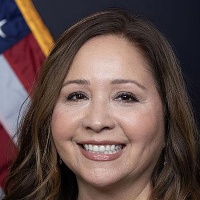
Adelita Grijalva
Representative
AZ
Adelita Grijalva
Representative
AZ
The Right to Read Act of 2025 amends federal education law to establish a comprehensive "right to read" for all students, ensuring access to evidence-based instruction, effective school libraries, and diverse reading materials. The bill defines key terms like "effective school library" and mandates that states and local agencies detail plans to support these resources and protect students' First Amendment rights regarding information access. Furthermore, it authorizes significant new funding to improve literacy programs, support school librarians, and mandates national data collection on school library resources.
The HELP Copays Act mandates that financial assistance from non-profits and drug manufacturers must count toward a patient's deductible, copay, and out-of-pocket maximum for prescription drugs.
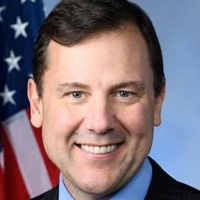
Thomas Kean
Representative
NJ
Thomas Kean
Representative
NJ
The HELP Copays Act requires that financial assistance provided by non-profit organizations and drug manufacturers must count toward a patient's deductible, copayments, and out-of-pocket maximums for prescription drugs. This change ensures that patient assistance dollars directly reduce the amount a patient must pay before their coverage fully kicks in. The legislation specifically applies to specialty drugs and those subject to utilization management. These provisions will take effect for plan years beginning on or after January 1, 2026.
This bill withdraws Oak Flat from mineral entry and cancels the land exchange to prevent foreign mining operations by Resolution Copper.
Adelita Grijalva
Representative
AZ
Adelita Grijalva
Representative
AZ
This bill, the Save Oak Flat from Foreign Mining Act, withdraws approximately 2,422 acres of Forest Service land known as Oak Flat in Arizona from all forms of mineral entry and development. It specifically cancels the prior land exchange that would have transferred the land to Resolution Copper Mining, LLC. The Act prohibits the transfer of Oak Flat to the foreign-backed mining venture, citing national security and environmental concerns.
This act amends the Food and Nutrition Act of 2008 to clarify the definition of "State" within the SNAP program to explicitly include both urban and rural parts of Hawaii.
Jill Tokuda
Representative
HI
Jill Tokuda
Representative
HI
The Feeding Rural Families Act of 2025 amends the Food and Nutrition Act of 2008 to clarify the definition of "State" within the Supplemental Nutrition Assistance Program (SNAP). This change specifically ensures that both the urban and rural parts of Hawaii are explicitly included under the SNAP definition.
This act establishes a grant program to help colleges and universities create and operate dedicated Student Veteran Centers to support the academic and transitional success of student veterans.
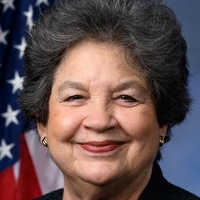
Lois Frankel
Representative
FL
Lois Frankel
Representative
FL
The Veteran Education Empowerment Act establishes a grant program to help colleges and universities create and operate dedicated Student Veteran Centers. These centers will serve as centralized hubs to coordinate academic support, transition services, and community building for student veterans. The bill authorizes funding for these grants, which can be used for establishing and operating the centers, with specific reporting requirements to track effectiveness.
The Mikaela Naylon Give Kids a Chance Act primarily focuses on enhancing pediatric drug research, ensuring completion of pediatric study requirements, extending incentives for rare pediatric disease treatments, and making targeted updates to FDA and organ transplant network operations.
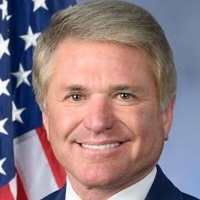
Michael McCaul
Representative
TX
Michael McCaul
Representative
TX
The Mikaela Naylon Give Kids a Chance Act focuses primarily on improving pediatric drug development and ensuring patient access to necessary treatments. This legislation mandates new research requirements for molecularly targeted pediatric cancer drugs, strengthens FDA enforcement of pediatric study completion, and extends incentives for developing drugs for rare pediatric diseases. Additionally, the bill updates organ transplant network functions and establishes an Abraham Accords Office within the FDA to enhance international regulatory cooperation.
This bill updates grant periods and funding authorizations for agricultural education grants to Alaska Native-serving and Native Hawaiian-serving institutions.
Jill Tokuda
Representative
HI
Jill Tokuda
Representative
HI
This bill, the Parity for Alaska Native and Native Hawaiian Students in Agriculture Act, updates and increases the authorized funding for education grants to Alaska Native-serving and Native Hawaiian-serving institutions. It specifically sets a maximum grant period of three years for these educational awards. The legislation authorizes $10 million for FY 2026, increasing to $15 million annually from FY 2027 through 2031.
This Act establishes a grant program to fund partnerships that implement climate mitigation and adaptation activities on agricultural lands.
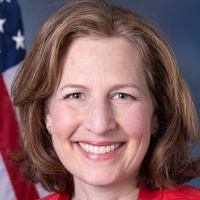
Kim Schrier
Representative
WA
Kim Schrier
Representative
WA
The Partnerships for Agricultural Climate Action Act establishes a grant program managed by the USDA to fund climate mitigation and adaptation activities on agricultural lands. This program provides financial assistance to eligible entities, such as state departments, cooperatives, and Tribal Governments, to implement strategies that increase carbon sequestration or reduce greenhouse gas emissions. Priority is given to proposals that support historically underserved producers and incorporate traditional ecological knowledge. The Act authorizes $150 million annually from 2026 through 2034 to support these efforts.
This bill mandates prompt notification to parents and Congress when suspected child abuse or neglect is reported within military childcare and youth programs.
Jill Tokuda
Representative
HI
Jill Tokuda
Representative
HI
This act mandates the Department of Defense to establish a policy requiring immediate notification to parents and Congress upon the discovery of suspected child abuse or neglect within military childcare and youth programs. Covered programs must notify parents within 24 hours and relevant congressional committees and representatives within 72 hours of an allegation. This ensures transparency and timely communication regarding the safety of military dependents in care settings.
This act amends existing law to promote Native Hawaiian art and culture by revising grant board composition and term limits.
Jill Tokuda
Representative
HI
Jill Tokuda
Representative
HI
The Native Arts and Culture Promotion Act amends existing legislation to strengthen support for Native American, Alaska Native, and Native Hawaiian arts and culture. This bill specifically revises grant requirements for Native Hawaiian art and culture, ensuring that governing boards are composed of recognized Native Hawaiian cultural experts serving fixed terms. These changes aim to enhance the integrity and representation within the administration of cultural development funds.