
Legislative Activity
Track Mike's sponsored bills, co-sponsored legislation, and voting record
This Act prohibits states from obtaining waivers to set new vehicle emission standards that restrict the sale or use of new cars with internal combustion engines and requires the revocation of existing conflicting waivers.
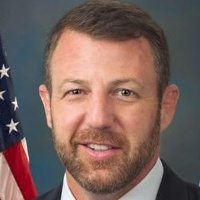
Markwayne Mullin
Senator
OK
Markwayne Mullin
Senator
OK
The Preserving Choice in Vehicle Purchases Act of 2025 amends the Clean Air Act to prohibit states from receiving waivers to set new vehicle emission standards that restrict the sale or use of new cars with internal combustion engines. This legislation invalidates any existing or future state standards that directly or indirectly limit traditional gasoline-powered vehicles. Furthermore, the bill mandates the revocation of any previously granted waivers that conflict with this new restriction.
This Act prohibits the EPA from enforcing the Phase 3 heavy-duty vehicle emission rules and bars future tailpipe regulations from mandating specific technologies or limiting the availability of new vehicle types.
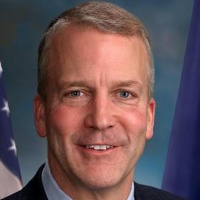
Dan Sullivan
Senator
AK
Dan Sullivan
Senator
AK
The Freedom to Haul Act of 2025 prohibits the EPA from implementing or enforcing the Phase 3 heavy-duty vehicle emission rules. Furthermore, the bill prevents the EPA from issuing tailpipe emission regulations that mandate specific technologies or limit the availability of new motor vehicles based on engine type. This ensures manufacturers retain flexibility in meeting pollution standards.
This act updates the definition of "State of residence" for federal firearms laws, offering specific considerations for military members and those without a fixed physical address, while also modifying residency proof requirements for background checks.
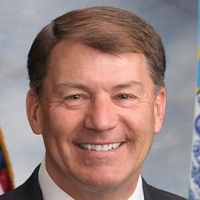
Mike Rounds
Senator
SD
Mike Rounds
Senator
SD
The Traveler's Gun Rights Act updates the federal definition of "State of residence" for individuals, including military members, to better reflect where they actually live or are stationed. This change also modifies the identification requirements for firearm background checks to accommodate those without a traditional physical residence. The goal is to clarify residency rules across various federal firearms laws.
This resolution nullifies the Consumer Financial Protection Bureau's rule restricting the use of medical information by creditors and consumer reporting agencies.
Mike Rounds
Senator
SD
Mike Rounds
Senator
SD
This joint resolution nullifies a rule issued by the Consumer Financial Protection Bureau. The rule concerned the prohibition of creditors and consumer reporting agencies from using or sharing medical information. By disapproving the rule, this resolution prevents the regulation from taking effect.
This bill establishes a pilot program to help low-income families receiving housing assistance save money by escrowing the amount their rent increases when their earned income rises.
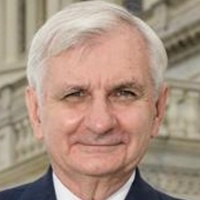
John Reed
Senator
RI
John Reed
Senator
RI
The Helping More Families Save Act establishes a pilot program to help families receiving housing assistance save money as their income increases. This program creates interest-bearing escrow accounts where the amount of any rent increase due to higher earnings is deposited. Families can access these savings after a set period or upon achieving self-sufficiency goals, without jeopardizing their eligibility for other federal aid programs.
This Act mandates an annual report assessing U.S. reliance on China for critical agricultural products and proposes strategies to onshore or nearshore those supply chains.
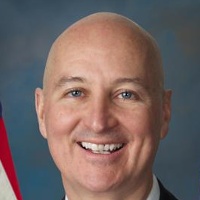
Pete Ricketts
Senator
NE
Pete Ricketts
Senator
NE
The Securing American Agriculture Act mandates an annual assessment of U.S. reliance on China for critical agricultural products and inputs. This report will identify supply chain vulnerabilities that could be exploited by foreign adversaries. Based on these findings, the Secretary of Agriculture must recommend strategies to onshore or nearshore the production of these essential farming supplies. The data collection for this assessment will rely solely on voluntary submissions from private companies to protect confidential business information.
This resolution celebrates the significant contributions of women-owned businesses to the U.S. economy, acknowledging their growth, revenue, and vital role.
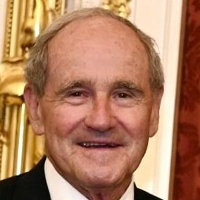
James Risch
Senator
ID
James Risch
Senator
ID
This resolution acknowledges the significant contributions of women-owned businesses in the United States, which have experienced substantial growth and play a vital role in the nation's economy. It recognizes the increasing number of women-owned businesses, their employment figures, and their revenue generation. The resolution commends the entrepreneurial spirit of women business owners and celebrates their achievements.
The ATF Transparency Act establishes a three-day automatic approval for firearm transfer and making applications, creates an appeal process for denials, and mandates reports on NICS processing delays.
James Risch
Senator
ID
James Risch
Senator
ID
The ATF Transparency Act aims to streamline firearm transfer and registration processes by mandating a 3-business-day review period, after which applications are automatically approved unless legal requirements are not met. The bill also establishes an administrative appeal process for applicants whose transfers are denied based on federal or state law concerns, including reimbursement for legal fees upon a successful appeal. Furthermore, it requires reports on unresolved background checks and mandates an agreement between the ATF and FBI on processing future NICS inquiries.
The "Protection of Women and Girls in Sports Act of 2025" amends Title IX to prohibit individuals born male from participating in women's and girls' athletic programs in educational institutions that receive federal funds, defining "sex" as determined at birth.
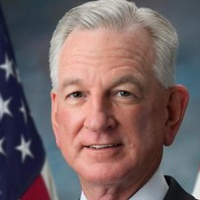
Tommy Tuberville
Senator
AL
Tommy Tuberville
Senator
AL
The "Protection of Women and Girls in Sports Act of 2025" amends Title IX to prohibit schools receiving federal funding from allowing individuals born male to participate in female athletic programs. Sex is defined as determined by reproductive biology and genetics at birth. This bill aims to ensure fair competition for women and girls in sports.
This resolution expresses Congressional opposition to imposing new performance fees on local radio stations, citing the mutually beneficial relationship between broadcasters and the music industry.
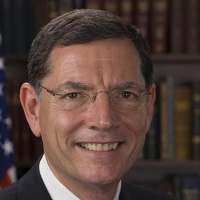
John Barrasso
Senator
WY
John Barrasso
Senator
WY
The Local Radio Freedom Act expresses Congressional opposition to imposing new performance fees on local radio stations for playing music. This resolution maintains that the current system provides essential promotional value to artists while supporting local community services. Consequently, it advocates against any new taxes or royalties that would place an undue financial burden on broadcasters and local businesses.
This Act repeals the corporate alternative minimum tax and modifies the tentative minimum tax calculation for non-corporate taxpayers, effective for tax years beginning after December 31, 2024.
John Barrasso
Senator
WY
John Barrasso
Senator
WY
The Book Minimum Tax Repeal Act completely eliminates the corporate alternative minimum tax (AMT) for corporations, effective for tax years beginning after December 31, 2024. For non-corporate taxpayers, the bill updates the tentative minimum tax calculation with new tiered tax rates of 26% and 28%. This legislation also makes necessary technical adjustments across the Internal Revenue Code to remove references to the repealed corporate AMT structure.
This bill mandates that funds reimbursed to the National Guard Bureau by states for the use of military property must be directly reinvested into the maintenance and readiness of those specific assets.
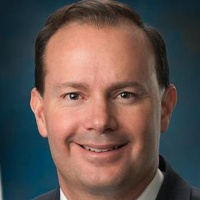
Mike Lee
Senator
UT
Mike Lee
Senator
UT
The Guarding Readiness Resources Act ensures that funds reimbursed to the National Guard Bureau by states or territories are directly returned to the specific budget account that covered the initial expense. These returned funds are strictly limited to being used for the repair, maintenance, or replacement of the military assets involved. This guarantees that reimbursement money directly supports the readiness of the equipment used by the National Guard.
This bill prohibits FEMA from using federal funds to support the sheltering of illegal immigrants.
James Risch
Senator
ID
James Risch
Senator
ID
The "End FEMA Benefits for Illegal Immigrants Act" prohibits FEMA from providing support to non-federal entities for sheltering and related activities that alleviate overcrowding in Customs and Border Protection holding facilities. It also rescinds any remaining funds previously transferred to FEMA from Customs and Border Protection for these purposes under the Consolidated Appropriations Act of 2023 and the Further Consolidated Appropriations Act, 2024.
Prohibits Chinese nationals and entities controlled by the Chinese government from purchasing real estate near U.S. federal lands.
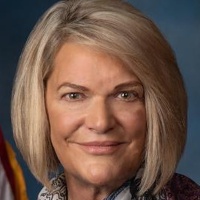
Cynthia Lummis
Senator
WY
Cynthia Lummis
Senator
WY
The "No American Land for Communist China Act" aims to safeguard U.S. national security by preventing Chinese government entities and businesses with significant Chinese government ownership from purchasing real estate near sensitive federal lands, including those managed by the Departments of Interior, Defense, Agriculture, and Energy, as well as Indian country. The President is tasked with enforcing this prohibition.
The "No Bailout for Sanctuary Cities Act" withholds certain federal funds from sanctuary jurisdictions that obstruct the sharing of immigration status information or compliance with federal detainment requests, while requiring an annual report on non-compliance.
James Risch
Senator
ID
James Risch
Senator
ID
The "No Bailout for Sanctuary Cities Act" aims to defund sanctuary jurisdictions, defined as those that obstruct the sharing of immigration status information or compliance with federal detainment requests, by making them ineligible for certain federal funds. This act requires the Department of Homeland Security to report annually to Congress, identifying non-compliant jurisdictions.
The "Air Traffic Control Workforce Development Act of 2025" aims to bolster the air traffic control workforce through collegiate training program enhancements, facility improvements, and mental health support initiatives.
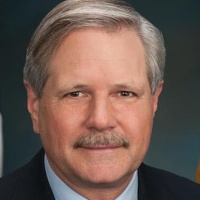
John Hoeven
Senator
ND
John Hoeven
Senator
ND
The "Air Traffic Control Workforce Development Act of 2025" aims to bolster the air traffic control workforce by enhancing training programs, providing financial support to educational institutions, and improving mental health resources for controllers. It establishes an Enhanced-CTI grant program, promotes the use of Terminal Simulation Systems, and mandates the creation of a mental health training course for aviation professionals. The act also requires reports on airport surveillance technology and radar systems.
This resolution designates March 7, 2025, as "National Speech and Debate Education Day" to celebrate the vital role of speech and debate in fostering essential communication and critical thinking skills.
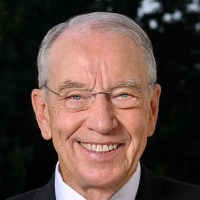
Charles Grassley
Senator
IA
Charles Grassley
Senator
IA
This resolution designates March 7, 2025, as "National Speech and Debate Education Day" to celebrate the lifelong benefits of speech and debate training. It highlights how these programs foster essential skills like critical thinking, communication, and collaboration while recognizing the dedication of educators in preparing students for civic and professional success.
The "Death Tax Repeal Act of 2025" eliminates estate and generation-skipping transfer taxes, modifies gift tax calculations, and adjusts lifetime gift exemptions.
John Thune
Senator
SD
John Thune
Senator
SD
The "Death Tax Repeal Act of 2025" eliminates both estate and generation-skipping transfer taxes, while also modifying gift tax laws. It adjusts gift tax calculations, addresses transfers in trust, sets an initial $10,000,000 amount for calculating tentative tax, and adjusts for inflation. These changes apply to estates of decedents dying, generation-skipping transfers occurring, and gifts made on or after the enactment date of this Act.
This bill directs the Department of Education to consider the International Holocaust Remembrance Alliance's definition of antisemitism when evaluating discrimination complaints under Title VI of the Civil Rights Act of 1964.

Tim Scott
Senator
SC
Tim Scott
Senator
SC
The Antisemitism Awareness Act of 2025 requires the Department of Education to consider the International Holocaust Remembrance Alliance (IHRA) definition of antisemitism when evaluating discrimination complaints under Title VI of the Civil Rights Act of 1964, ensuring consistent enforcement against antisemitism in federally funded programs. This bill aims to increase awareness and improve the safety of Jewish communities by codifying the use of the IHRA definition. The Act does not expand the Department of Education's authority, change harassment standards, reduce existing rights, or diminish First Amendment rights.
The bill mandates prime contractors to use plain language when soliciting subcontracts, making it easier for small businesses to understand and compete for these opportunities.
James Risch
Senator
ID
James Risch
Senator
ID
The Simplifying Subcontracting Act requires prime contractors to use plain language when soliciting subcontracts, making it easier for small businesses to understand the solicitations. Prime contractors must confirm they will use plain writing in solicitations and include this requirement in all subcontracts. Failure to comply requires the contractor to issue a new solicitation in plain writing within 30 days. The Small Business Administration will issue regulations to implement these requirements within 90 days.