This resolution designates March 7, 2025, as "National Speech and Debate Education Day" to celebrate the vital role of speech and debate in fostering essential communication and critical thinking skills.
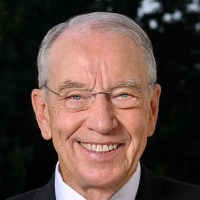
Charles "Chuck" Grassley
Senator
IA
This resolution designates March 7, 2025, as "National Speech and Debate Education Day" to celebrate the lifelong benefits of speech and debate training. It highlights how these programs foster essential skills like critical thinking, communication, and collaboration while recognizing the dedication of educators in preparing students for civic and professional success.
Senate Designates March 7, 2025, as National Speech and Debate Education Day to Boost Civic Skills.
This resolution officially marks March 7, 2025, as a day to recognize the role speech and debate play in shaping students into capable professionals and citizens. Rather than creating new mandates or spending programs, the text serves as a formal nod to the National Speech & Debate Association and its partners, encouraging schools and businesses to celebrate the 'soft skills' that actually make a difference in the real world. It explicitly highlights the value of researching, constructing arguments, and delivering them effectively—skills the resolution argues are essential for everything from personal advocacy to public policymaking.
The ROI of Rhetoric
The resolution focuses on the practical application of communication, critical thinking, and collaboration. For a student today, this isn't just about winning a trophy at a Saturday tournament; it’s about the ability to navigate a job interview or explain a complex project to a manager later in life. By calling for the integration of these skills across all grade levels and disciplines, the resolution suggests that these shouldn't just be extracurricular activities for a few kids, but a core part of how we teach everyone to think and speak. It also takes a moment to recognize the 'countless hours' teachers and coaches put in, acknowledging that these programs usually run on the steam of dedicated educators.
Why It Matters for the Rest of Us
While this is a non-binding designation, it sets a standard for what we value in public discourse. By affirming the importance of 'informed advocacy' and 'social movements,' the resolution connects classroom debate to the way our broader society functions. For the average person, this is a push toward more civil and logical public conversations. It encourages community and civic associations to get involved, potentially opening doors for local businesses to mentor students or for community centers to host events that sharpen the public’s ability to disagree without being disagreeable.