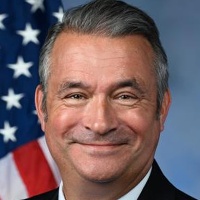
Legislative Activity
Track Don's sponsored bills, co-sponsored legislation, and voting record
The Fresh Start Act of 2025 ties federal gun violence prevention grants to states implementing automatic criminal record expungement laws and requires detailed annual reporting on the process broken down by demographics.
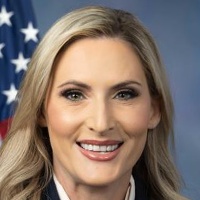
Laurel Lee
Representative
FL
Laurel Lee
Representative
FL
The Fresh Start Act of 2025 incentivizes states to adopt automatic criminal record expungement laws by tying them to federal gun violence prevention grants. This legislation requires states receiving these funds to automatically clear or seal eligible criminal records without requiring individual action or payment of outstanding fees. Recipients must also annually report detailed data on the process, broken down by race, ethnicity, and gender, which the Attorney General will then make public.
This Act promotes private employee ownership by extending tax deferrals for S corporation ESOP sales, ensuring ESOP-owned businesses retain small business status, and establishing new Treasury and Labor offices to provide assistance and advocacy.
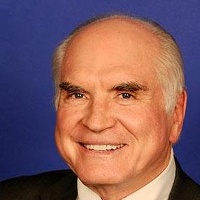
Mike Kelly
Representative
PA
Mike Kelly
Representative
PA
The Promotion and Expansion of Private Employee Ownership Act of 2025 aims to significantly boost employee ownership in S corporations through Employee Stock Ownership Plans (ESOPs). The bill extends key tax deferral benefits for stock sales to ESOPs and removes a major restriction on this tax treatment. Furthermore, it establishes new government offices and an Advocate for Employee Ownership to provide technical assistance and resolve disputes, while ensuring ESOP-owned businesses retain small business status for federal programs.
The Prove It Act establishes a formal process for small businesses to challenge agency claims about the economic impact of proposed rules and strengthens requirements for agencies to consider indirect costs on small entities.
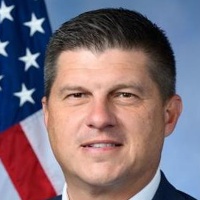
Brad Finstad
Representative
MN
Brad Finstad
Representative
MN
The Prove It Act aims to strengthen protections for small businesses against burdensome federal regulations. It establishes a formal process for small entities to challenge agency claims that a proposed rule will not significantly impact them. The bill also expands the required analysis of indirect costs and imposes consequences if agencies fail to periodically review existing rules on time.
This Act establishes a pathway for eligible Ukrainian nationals paroled into the U.S. since February 20, 2014, to apply for lawful permanent resident status without paying application fees.
William Keating
Representative
MA
William Keating
Representative
MA
The Ukrainian Adjustment Act of 2025 establishes a pathway for eligible Ukrainian nationals, paroled into the U.S. after February 20, 2014, to apply for lawful permanent resident status (a Green Card). This process requires rigorous security vetting and allows the Secretary of Homeland Security broad waiver authority for most inadmissibility grounds, excluding certain post-2014 criminal activity. Approved applicants will have their status adjusted retroactively to their date of parole, and the application process will be fee-free.
This Act permits qualified and retired law enforcement officers to carry and discharge concealed firearms in school zones under existing authorization.
Randy Weber
Representative
TX
Randy Weber
Representative
TX
The Police Officers Protecting Children Act amends federal law to allow qualified active and retired law enforcement officers to carry and discharge concealed firearms within a school zone, provided they meet existing authorization requirements. This legislation clarifies exceptions to the general prohibition on firearms in school zones for these specific personnel.
This resolution calls on North Korea to immediately release all abducted foreign nationals, return remains, and apologize for the decades-long practice of abducting Japanese citizens.
Jennifer Kiggans
Representative
VA
Jennifer Kiggans
Representative
VA
This resolution formally expresses the U.S. Congress's unwavering stance demanding that North Korea immediately resolve the long-standing issue of abducted Japanese citizens. It calls upon North Korea to return all foreign nationals, provide information on the deceased, offer restitution to the families, and issue a full apology. The bill emphasizes that these abductions are a grave violation of fundamental human rights and international law.
This Act mandates the CPSC to quickly establish federal safety standards for lithium-ion batteries used in small electric vehicles and personal mobility devices based on existing industry guidelines.
Ritchie Torres
Representative
NY
Ritchie Torres
Representative
NY
The Setting Consumer Standards for Lithium-Ion Batteries Act mandates the Consumer Product Safety Commission (CPSC) to rapidly adopt key industry standards as federal safety rules for lithium-ion batteries in small electric vehicles and personal mobility devices. This legislation ensures these standards automatically update to the newest industry revisions unless the CPSC finds a revision compromises safety. Furthermore, the CPSC must report to Congress five years after enactment regarding battery hazards and compliance.
This Act mandates that group health plans and insurers must cover diagnostic and supplemental breast examinations without any out-of-pocket cost-sharing requirements for plan years beginning on or after January 1, 2026.

Debbie Dingell
Representative
MI
Debbie Dingell
Representative
MI
The Access to Breast Cancer Diagnosis Act of 2025 ensures that group health plans and insurers must cover diagnostic and supplemental breast examinations with no out-of-pocket costs for patients. This means no deductibles, copayments, or coinsurance will apply to these necessary exams. These provisions take effect for plan years beginning on or after January 1, 2026.
The Caring for Seniors Act aims to address the growing long-term care crisis by boosting the direct care workforce, establishing a cost-reduction program to subsidize assisted living for low-income seniors, and repurposing recovered COVID-19 funds to support these efforts.
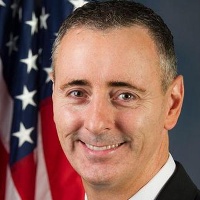
Brian Fitzpatrick
Representative
PA
Brian Fitzpatrick
Representative
PA
The Caring for Seniors Act addresses the growing crisis in long-term care driven by an aging population and insufficient savings. This bill aims to strengthen the direct care workforce through new federal training programs. It also establishes a new cost-reduction program to provide monthly financial assistance to low-income seniors, encouraging them to reside in more affordable assisted living facilities instead of expensive nursing homes. Finally, the Act authorizes the reuse of recovered COVID-19 healthcare relief funds to support its initiatives.
The Training and Nutrition Stability Act amends the Supplemental Nutrition Assistance Program by removing a specific existing rule and excluding income earned from certain employment and training programs from benefit calculations.
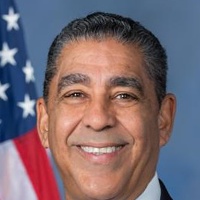
Adriano Espaillat
Representative
NY
Adriano Espaillat
Representative
NY
The Training and Nutrition Stability Act amends the Supplemental Nutrition Assistance Program (SNAP) by removing an outdated rule. Crucially, this bill excludes income earned from specific employment and job training programs when calculating a household's SNAP eligibility. This change aims to encourage participation in workforce development and rehabilitation efforts without negatively impacting food assistance benefits.
This bill ensures that combat-injured Coast Guard members receive the same tax fairness on their severance payments as other military veterans by clarifying which Secretaries are responsible for correcting past improper tax withholdings.
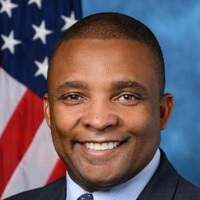
Donald Davis
Representative
NC
Donald Davis
Representative
NC
The Coast Guard Combat-Injured Tax Fairness Act ensures that Coast Guard members with combat-related injuries receive the same tax fairness on their severance payments as other military branches. This legislation clarifies which Secretaries are responsible for correcting improperly withheld taxes from past payments. It also sets deadlines for identifying past errors and immediately stopping future improper tax withholdings.
This Act funds state systems to track real-time hospital bed capacity affecting emergency department wait times and mandates CMMI pilot programs to improve emergency care for older adults and those in psychiatric crisis.
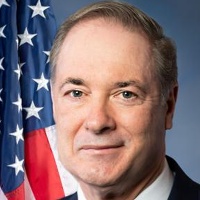
John Joyce
Representative
PA
John Joyce
Representative
PA
The ABC-ED Act of 2025 aims to alleviate emergency department boarding and crowding by modernizing public health data systems to track real-time hospital bed capacity. It also directs the Center for Medicare and Medicaid Innovation to pilot programs specifically improving emergency care for older adults and those in acute psychiatric crisis. Finally, the bill mandates a study on best practices for statewide, real-time capacity tracking systems and their impact on ER wait times.
This act updates federal law to specifically prohibit the taking or transmitting of video of national defense information, treating it the same as photographic material.
Jennifer Kiggans
Representative
VA
Jennifer Kiggans
Representative
VA
The Drone Espionage Act updates federal law to specifically prohibit the unauthorized taking or transmission of **video** of national defense information. This amendment modernizes existing statutes, ensuring that capturing sensitive material via video is treated the same as capturing it via photographs or negatives. The bill aims to strengthen protections against the illicit sharing of defense secrets using modern recording technology.
The Fight Fentanyl Act strengthens federal efforts against fentanyl trafficking by mandating detailed reporting from HIDTA programs, increasing their funding and purpose to target fentanyl interdiction, and requiring the Attorney General to assign additional prosecutors to these cases.
David Taylor
Representative
OH
David Taylor
Representative
OH
The Fight Fentanyl Act strengthens federal efforts to combat the fentanyl crisis by updating the High Intensity Drug Trafficking Areas (HIDTA) program. This legislation mandates increased reporting on fentanyl investigations, sets dedicated funding levels through 2030, and expands HIDTA purposes to prioritize fentanyl interdiction. Furthermore, it requires the Attorney General to ensure sufficient prosecutorial resources are dedicated to fentanyl trafficking cases through temporary AUSA assignments.
This Act prohibits the use of federal funds to eliminate the Corporation for National and Community Service and reinforces Congress's commitment to national service programs.
Chrissy Houlahan
Representative
PA
Chrissy Houlahan
Representative
PA
The Protect National Service Act affirms the significant societal return on investment provided by national service programs like AmeriCorps. This bill prohibits the use of federal funds to eliminate the Corporation for National and Community Service (CNCS) or alter its status as a Government corporation. It ensures that any future reorganization must maintain the Trust's solvency and continue federal commitment to civic engagement. The CEO must annually certify compliance with these protections to Congress for five years.
The Youth Workforce Readiness Act of 2025 establishes grants for out-of-school programs run by community organizations to prepare eligible youth (ages 6-18) for employment through work experience, training, and mentorship, while also strengthening local Youth Councils.
Josh Harder
Representative
CA
Josh Harder
Representative
CA
The Youth Workforce Readiness Act of 2025 establishes a competitive grant program to fund national organizations in developing comprehensive, out-of-school workforce readiness programs for youth aged 6 to 18. This Act aims to boost employment opportunities by connecting youth education and training with employer needs through community partnerships. Furthermore, it strengthens youth voices by mandating the reestablishment and integration of Youth Councils within local workforce boards to advise on training and readiness initiatives.
This act officially recognizes accounting education as part of a well-rounded curriculum to improve access to accounting programs, especially for underrepresented students.
Young Kim
Representative
CA
Young Kim
Representative
CA
The Accounting STEM Pursuit Act of 2025 officially recognizes accounting education as a vital component of a well-rounded K-12 curriculum. This legislation amends federal education law to ensure accounting is counted within core curriculum planning frameworks. The Act specifically directs states and districts to improve access to quality accounting programs, with a focus on increasing opportunities for underrepresented students.
This Act mandates the development of adoption education resources and professional training for healthcare providers to improve care for expectant parents considering adoption.
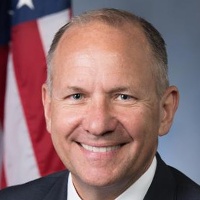
Lloyd Smucker
Representative
PA
Lloyd Smucker
Representative
PA
The Hospital Adoption Education Act of 2025 aims to improve adoption awareness and support within healthcare settings. This legislation directs the Secretary of Health and Human Services to develop and distribute educational resources for hospital staff regarding sensitive adoption issues. Furthermore, the Act establishes grants to fund professional development and training for care providers on patient-centered care for expectant mothers and adoptive families. The goal is to ensure objective, unbiased information is accessible where expectant parents most trust to find it.
This Act makes the existing tax credit for adoption expenses fully refundable, allowing taxpayers to receive the excess credit amount as a refund for tax years beginning after December 31, 2025.
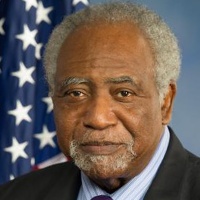
Danny Davis
Representative
IL
Danny Davis
Representative
IL
The Adoption Tax Credit Refundability Act of 2025 makes the existing tax credit for adoption expenses fully refundable, meaning taxpayers can receive the excess credit amount as a refund. This is achieved by renumbering the credit section and updating related tax code references. The bill also mandates new regulations for verifying adoptions via standardized affidavits. These changes will apply to tax years beginning after December 31, 2025.
The Transportation Freedom Act incentivizes domestic auto manufacturing with tax breaks, repeals recent EPA emissions rules, eliminates state authority to set stricter emission standards, and mandates a feasibility-based process for setting future national fuel economy and greenhouse gas standards.
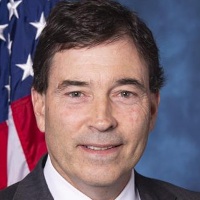
Troy Balderson
Representative
OH
Troy Balderson
Representative
OH
The Transportation Freedom Act seeks to bolster domestic auto manufacturing through significant tax incentives tied to high-wage American jobs and strong worker benefits. Simultaneously, the bill repeals recent EPA and NHTSA rules regarding multipollutant emissions and fuel economy standards for light, medium, and heavy-duty vehicles. Furthermore, it centralizes emission control by eliminating the authority of individual states to set standards stricter than the federal level. Finally, it mandates the establishment of new, feasibility-based fuel economy and greenhouse gas standards for future model years, explicitly prohibiting mandates for electric-only vehicle sales.