Legislative Activity
Track Don's sponsored bills, co-sponsored legislation, and voting record
This Act amends federal law to make youth sports facilities eligible for public works funding, prioritizing projects that address health, serve low-income and rural children, and boost local economies.
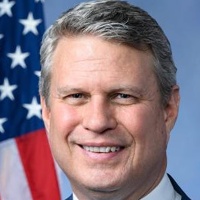
Bill Huizenga
Representative
MI
Bill Huizenga
Representative
MI
The Youth Sports Facilities Act of 2025 amends federal public works funding rules to explicitly include the construction and improvement of youth sports facilities. This allows communities to apply for grants specifically for these projects, provided they meet goals focused on improving health, serving low-income and rural children, and boosting local economies. The bill prioritizes facilities that address sedentary lifestyles and provide safe recreational spaces in underserved areas.
This bill removes the current restriction preventing direct charitable rollovers from Individual Retirement Accounts (IRAs) to Donor Advised Funds (DAFs).
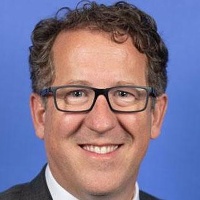
Adrian Smith
Representative
NE
Adrian Smith
Representative
NE
The IRA Charitable Rollover Facilitation and Enhancement Act of 2025 removes the current restriction preventing individuals from making direct charitable rollovers from their Individual Retirement Accounts (IRAs) to Donor Advised Funds (DAFs). This change immediately allows IRA owners to transfer retirement assets directly to DAFs for charitable purposes. The bill simplifies and enhances charitable giving options for IRA holders.
This act increases the maximum loan amounts available to small businesses under certain SBA programs and mandates annual reporting on the distribution of those enhanced loans.
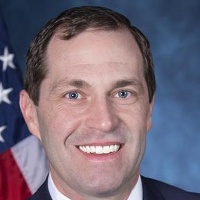
Jason Crow
Representative
CO
Jason Crow
Representative
CO
The Small Business Energy Loan Enhancement Act significantly increases the maximum loan amounts available to eligible small businesses under specific Small Business Administration (SBA) programs, raising the limit from $\$5.5$ million to $\$10$ million. This legislation also mandates that the SBA report annually to Congress detailing the industries and geographic areas benefiting from these enhanced loan categories. The goal is to provide greater financial resources for small businesses through SBA lending.
This act establishes a federal program to gather, research, and disseminate critical health information regarding concussions and traumatic brain injuries among public safety officers.

Dan Crenshaw
Representative
TX
Dan Crenshaw
Representative
TX
The Public Safety Officer Concussion and Traumatic Brain Injury Health Act of 2025 directs the CDC to gather and publicly share critical information regarding concussions and TBIs affecting public safety officers. This effort includes developing evidence-based practices for diagnosis, treatment, and prevention of these injuries. The resulting data will be disseminated through an updated CDC website and various outreach efforts to medical professionals, employers, and the families of officers.
This Act establishes a full refund of federal motor fuel excise taxes for fuel used in vehicles providing mobile mammography services and exempts such fuel sales from federal retail tax.
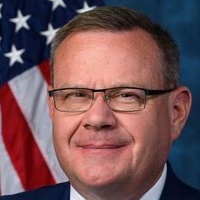
Tim Moore
Representative
NC
Tim Moore
Representative
NC
The Mobile Mammography Promotion Act of 2025 aims to support mobile mammography services by providing full refunds for federal motor fuel excise taxes paid on fuel used in these specialized vehicles. Furthermore, the Act eliminates the federal retail tax on fuel sold specifically for use in these mobile medical units. This legislation seeks to reduce operational costs for providers offering crucial diagnostic services directly to patients.
This act establishes a federal crime with severe penalties for using shell companies to conceal foreign national contributions in U.S. elections.
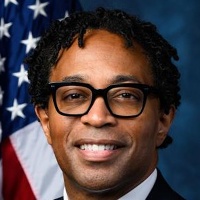
Wesley Bell
Representative
MO
Wesley Bell
Representative
MO
The Shell Company Abuse Act establishes a new federal crime to prevent individuals from using shell companies to conceal illegal election contributions made by foreign nationals in U.S. politics. This legislation specifically targets those who set up or utilize entities with the intent of hiding the source of banned foreign money influencing elections. Violators face up to five years in prison and significant fines for this prohibited activity.
The Bolstering Research And Innovation Now (BRAIN) Act aims to accelerate brain tumor research, improve patient access to clinical trials and specialized care, and enhance long-term survivor support through new funding, transparency requirements, and public awareness campaigns.
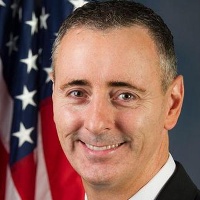
Brian Fitzpatrick
Representative
PA
Brian Fitzpatrick
Representative
PA
The Bolstering Research And Innovation Now (BRAIN) Act aims to significantly advance the fight against brain tumors by increasing research funding and improving patient access to care. This legislation establishes new networks for glioblastoma research, creates a public database for tracking biospecimens, and launches a national awareness campaign about clinical trials. Furthermore, the Act funds pilot programs to improve long-term care for survivors and directs the FDA to ensure brain tumor patients are not unfairly excluded from relevant clinical trials.
This Act expands Medicare coverage to include audiology services provided directly by qualified audiologists starting in 2027, removing physician supervision and referral requirements.
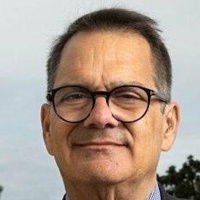
Gus Bilirakis
Representative
FL
Gus Bilirakis
Representative
FL
The Medicare Audiology Access Improvement Act of 2025 expands Medicare coverage for audiology services, beginning in 2027. This legislation allows qualified audiologists to provide diagnostic and treatment services without physician referral or supervision, as permitted by state law. The bill also specifies payment rates and includes audiologists in coverage for Rural Health Clinics and Federally Qualified Health Centers.
This Act establishes federal minimum standards for public employee collective bargaining rights, allowing states to maintain their own laws if they meet or exceed these standards, otherwise the Federal Labor Relations Authority will enforce federal rules.
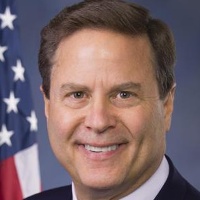
Donald Norcross
Representative
NJ
Donald Norcross
Representative
NJ
The Public Service Freedom to Negotiate Act of 2025 establishes federal minimum standards for collective bargaining rights for public employees across the nation. It requires the Federal Labor Relations Authority (FLRA) to review state laws to ensure they substantially provide these minimum rights, including the right to organize and bargain collectively. If a state fails to meet these standards, the FLRA will administer federal labor relations rules for the uncovered employees. The Act also prohibits strikes or lockouts that would measurably disrupt emergency or public safety services.
The Invest to Protect Act of 2025 establishes a Department of Justice grant program to fund training, mental health resources, and recruitment/retention bonuses for small local law enforcement agencies.
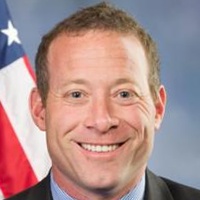
Josh Gottheimer
Representative
NJ
Josh Gottheimer
Representative
NJ
The Invest to Protect Act of 2025 establishes a new, streamlined grant program within the Department of Justice to support small local and Tribal law enforcement agencies (under 175 officers). These funds are specifically designated for officer training, mental health resources, and recruitment/retention bonuses. The law mandates a rapid application process and includes strict accountability measures, such as audits and public reporting of bonuses. Congress is authorized to appropriate up to $50 million annually for this program through fiscal year 2031.
This bill expands mandatory detention for certain non-citizens by adding convictions for trespassing, vandalism, and arson to the list of triggering property crimes.
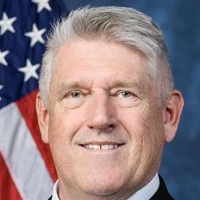
Troy Downing
Representative
MT
Troy Downing
Representative
MT
The Safeguarding American Property Act of 2025 expands mandatory detention requirements for certain non-citizens who commit specific property crimes. This legislation adds offenses like trespassing, vandalism, and arson to the list of crimes that require immigration authorities to detain an individual during removal proceedings. The bill also clarifies language related to violent offenses to ensure comprehensive grounds for detention.
The End Kidney Deaths Act establishes a \$50,000 federal tax credit over five years for individuals who make non-directed living kidney donations between 2027 and 2036.
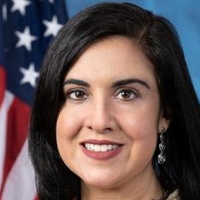
Nicole Malliotakis
Representative
NY
Nicole Malliotakis
Representative
NY
The End Kidney Deaths Act establishes a new federal tax credit for individuals who make non-directed living kidney donations. Eligible donors will receive an annual \$10,000 tax credit for five consecutive years, totaling a potential \$50,000 benefit. This provision is designed to incentivize altruistic donation while ensuring the credit is not considered payment for the organ.
This Act allows employees to fully deduct union dues above the line and restores the itemized deduction for certain other job-related business expenses.
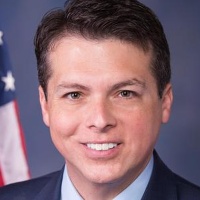
Brendan Boyle
Representative
PA
Brendan Boyle
Representative
PA
The Tax Fairness for Workers Act restores key federal tax deductions for employees, effective after 2024. This legislation makes union dues fully deductible "above the line," meaning they reduce Adjusted Gross Income without itemizing. Additionally, it allows itemizers to deduct certain other job-related business expenses that were previously limited.
This act authorizes $20 million annually through fiscal year 2030 for the NINDS to supplement research specifically focused on unruptured brain aneurysms across diverse populations.
Brian Fitzpatrick
Representative
PA
Brian Fitzpatrick
Representative
PA
The Ellie Helton, Lisa Colagrossi, Kristen Shafer Englert, Teresa Anne Lawrence, and Jennifer Sedney Focused Research Act, or "Ellies Law," addresses the high incidence and devastating impact of brain aneurysms in the U.S. The bill authorizes $20 million annually from Fiscal Year 2026 through 2030 for the National Institute of Neurological Disorders and Stroke (NINDS). This dedicated funding is specifically intended to supplement existing research efforts focused on unruptured intracranial aneurysms across diverse populations.
This act voids federal restrictions enacted after May 15, 2015, that limit state and local police access to surplus federal equipment and mandates the return of gear previously taken under those rules.
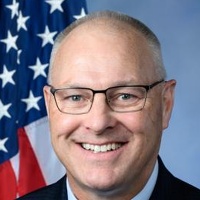
Pete Stauber
Representative
MN
Pete Stauber
Representative
MN
The Lifesaving Gear for Police Act of 2025 voids federal restrictions enacted after May 15, 2015, that limit state and local police access to surplus federal equipment, unless specifically approved by Congress. This prevents federal agencies from enforcing these unapproved rules and mandates the return of equipment previously seized under those restrictions. The bill aims to ensure local law enforcement has access to necessary federal gear.
The Impact Aid Infrastructure Partnership Act establishes federal and local partnerships to provide formula and competitive grants for urgently needed facility repairs and modernization in federally impacted school districts.

John Garamendi
Representative
CA
John Garamendi
Representative
CA
The Impact Aid Infrastructure Partnership Act establishes a four-year, \$250 million federal partnership to address critical facility needs in school districts heavily impacted by federal land. This bill creates competitive and formula grants prioritized by facility condition and local financial capacity, aiming to repair or modernize aging and unsafe school buildings. Funds are designed to supplement local efforts, with specific rules governing matching requirements and payment schedules based on a district's ability to borrow money.
This resolution supports Financial Literacy Month by recognizing widespread financial struggles and calling for increased education and awareness across the nation.
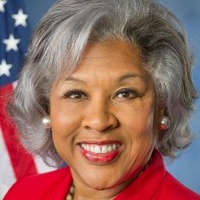
Joyce Beatty
Representative
OH
Joyce Beatty
Representative
OH
This resolution officially supports the goals of Financial Literacy Month by recognizing the widespread financial challenges facing American households. It highlights the urgent need for improved personal finance education due to low budgeting rates and high levels of household debt. The bill calls upon federal, state, and local entities to promote programs that enhance financial understanding and responsible money management.
This bill requires local governments seeking federal funding to credibly report hate crimes to the FBI or face ineligibility, with an exception for jurisdictions demonstrating significant public education efforts.
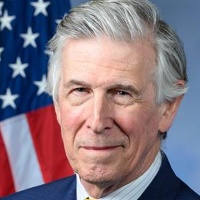
Donald Beyer
Representative
VA
Donald Beyer
Representative
VA
The Improving Reporting to Prevent Hate Act of 2025 establishes new federal oversight for local governments seeking hate crime prevention grants. Jurisdictions with over 100,000 residents must demonstrate credible hate crime reporting to the FBI to remain eligible for funding. Failure to report credibly can result in ineligibility, though jurisdictions can avoid penalties by proving they have undertaken significant public education and improved reporting standards.
The IDEA Full Funding Act establishes mandatory, increasing funding levels for the Individuals with Disabilities Education Act (IDEA) from 2026 through 2035, contingent upon offsetting budget cuts.
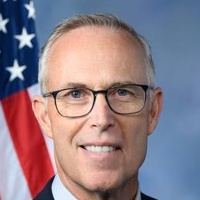
Jared Huffman
Representative
CA
Jared Huffman
Representative
CA
The IDEA Full Funding Act establishes mandatory, increasing funding levels for the Individuals with Disabilities Education Act (IDEA) programs through fiscal year 2035. This legislation sets specific appropriation targets based on student counts and national average spending to ensure greater financial support for special education services. Furthermore, the bill requires that these new IDEA appropriations adhere to "cut-as-you-go" budget offset rules.
The CARE Act of 2025 mandates Medicare to test a new payment model covering emergency response services provided by ground ambulance companies even when patient transport does not occur.
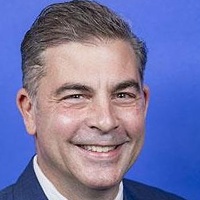
Mike Carey
Representative
OH
Mike Carey
Representative
OH
The CARE Act of 2025 mandates that the Center for Medicare and Medicaid Innovation (CMMI) test a new payment model for emergency services. This model will allow Medicare to pay ground ambulance providers for emergency responses, even when a patient does not ultimately require transport under Medicare Part B. The five-year demonstration aims to evaluate the impact of covering these non-transport emergency responses on patient access and resource utilization.