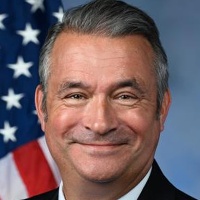
Legislative Activity
Track Don's sponsored bills, co-sponsored legislation, and voting record
This resolution expresses strong support for designating May 2025 as Mental Health Awareness Month to highlight the national mental health crisis and encourage greater action and access to care.
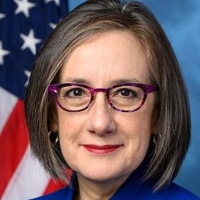
Andrea Salinas
Representative
OR
Andrea Salinas
Representative
OR
This resolution expresses strong support for designating May 2025 as Mental Health Awareness Month to combat a growing national crisis. It highlights alarming statistics regarding rising mental illness rates, significant barriers to accessing care, and disproportionate impacts on youth and marginalized communities. Ultimately, the bill declares mental health a national priority and encourages increased public awareness and support for mental health services.
This bill mandates annual, experience-tailored sensitivity training for all VA staff handling military sexual trauma claims and strengthens the VA's duty to assist claimants in obtaining service records.

Young Kim
Representative
CA
Young Kim
Representative
CA
The Improving VA Training for Military Sexual Trauma Claims Act mandates annual, experience-based sensitivity training for all VA staff handling Military Sexual Trauma (MST) claims. This legislation also strengthens the VA's duty to assist claimants by requiring them to actively help gather service personnel and medical records. Furthermore, the bill directs the VA Secretary to report on training requirements for contracted health professionals to prevent re-traumatization during examinations.
This bill amends Medicare to require standardized cognitive impairment detection during the annual wellness visit and the initial preventive physical examination starting in 2026.

Linda Sánchez
Representative
CA
Linda Sánchez
Representative
CA
This bill amends Medicare to require cognitive impairment screening during the Annual Wellness Visit and the Initial Preventive Physical Examination. It mandates the use of specific, approved screening tools to detect potential issues like Alzheimer's disease early. The goal is to ensure timely diagnosis, allowing patients and caregivers to access necessary planning and support services sooner.
This resolution honors law enforcement officers killed in the line of duty, specifically recognizing those who died in 2024, and expresses support for active officers and their need for proper resources.
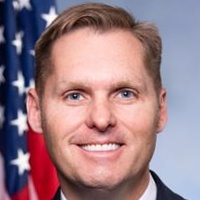
Michael Guest
Representative
MS
Michael Guest
Representative
MS
This resolution formally honors law enforcement officers killed in the line of duty, specifically recognizing the 345 officers whose service ended in 2024. It reaffirms support for all active officers and emphasizes the need to ensure they have the proper resources and training to perform their duties safely. The bill serves as a formal expression of gratitude and remembrance for their ultimate sacrifice.
The Law Enforcement Education Grant Program Act of 2025 establishes a new federal grant program to fund up to $16,000 for individuals pursuing degrees in law enforcement or criminal justice, contingent upon a four-year service commitment as an officer afterward, while simultaneously repealing existing university sustainability programs.
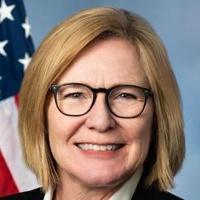
Michelle Fischbach
Representative
MN
Michelle Fischbach
Representative
MN
The Law Enforcement Education Grant Program Act of 2025 establishes a new federal grant program to provide up to $4,000 annually for individuals pursuing associate's or bachelor's degrees in law enforcement or criminal justice. Recipients must agree to serve as a full-time law enforcement officer for four years after graduation or repay the funds with interest. Additionally, this Act repeals existing federal programs related to university sustainability found under Part U of the Higher Education Act of 1965.
This resolution expresses support for designating May 2025 as National Physical Fitness and Sports Month to raise awareness about the importance of physical activity in combating rising obesity rates.
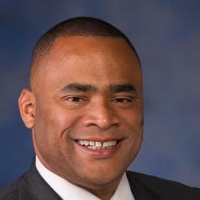
Marc Veasey
Representative
TX
Marc Veasey
Representative
TX
This resolution expresses support for designating May 2025 as National Physical Fitness and Sports Month to address the serious public health crisis of obesity in the United States. It highlights the high rates of obesity among adults and children, emphasizing the associated health risks. The bill ultimately encourages increased physical activity and healthy eating habits nationwide.
This resolution officially recognizes Jewish American Heritage Month while urging leaders to combat rising antisemitism through public education on Jewish American contributions and ensuring the safety of the Jewish community.
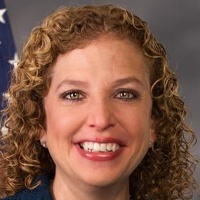
Debbie Wasserman Schultz
Representative
FL
Debbie Wasserman Schultz
Representative
FL
This resolution officially recognizes and celebrates Jewish American Heritage Month while strongly condemning the recent surge in antisemitism across the nation. It calls upon elected officials and civil society leaders to actively counter hate by educating the public on the significant contributions of the Jewish American community. Furthermore, the bill demands robust action to ensure the safety, security, and dignity of American Jews in all aspects of public life.
This resolution formally congratulates His Holiness Pope Leo XIV on his historic election as the first American pontiff of the Holy Roman Catholic Church.
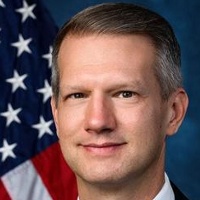
Riley Moore
Representative
WV
Riley Moore
Representative
WV
This resolution formally congratulates His Holiness Pope Leo XIV on his historic election as the 267th pontiff of the Holy Roman Catholic Church. It celebrates the significance of him being the first American-born Pope in the Church's history. The measure also commends his lifelong service, missionary spirit, and dedication to truth and mercy. Finally, it offers prayers for his leadership as he begins his papacy.
This bill mandates the establishment of facilities to rear and release sterile New World screwworm flies to combat agricultural threats, supported by mandatory reporting and funding.
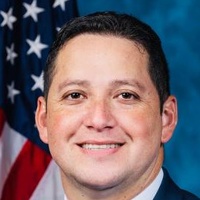
Ernest Gonzales
Representative
TX
Ernest Gonzales
Representative
TX
The STOP Screwworms Act mandates the establishment of facilities to rear and release sterile New World screwworm flies in high-risk areas to combat infestations. The Secretary of Agriculture must build these modular facilities within 180 days of enactment and provide annual public reports on the threat and control efforts. The bill authorizes up to $300 million to fund these necessary actions.
This Act establishes a grant program to support law enforcement agencies in recruiting diverse candidates through targeted marketing and "Pathways to Policing" training initiatives.
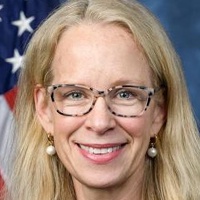
Kelly Morrison
Representative
MN
Kelly Morrison
Representative
MN
The Pathways to Policing Act establishes the Law Enforcement Hiring Support Grant program to help agencies recruit new officers. This grant money can be used for recruitment campaigns and developing programs that support candidates facing barriers to entering law enforcement. The Act prioritizes funding for agencies seeking to increase diversity and hire candidates connected to the communities they will serve. Additionally, it mandates a national marketing effort to encourage diverse individuals to pursue careers in policing.
This Act establishes robust federal protections and enforcement mechanisms against discrimination for healthcare entities that decline to participate in abortion, sterilization, or assisted suicide procedures, while also granting individuals a private right of action to sue for violations.
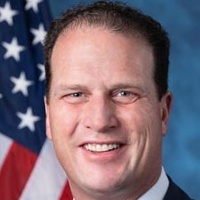
August Pfluger
Representative
TX
August Pfluger
Representative
TX
The Conscience Protection Act of 2025 aims to strengthen federal protections for healthcare providers and entities that refuse to participate in abortion, sterilization, or assisted suicide based on moral or religious objections. It prohibits discrimination against these entities by any recipient of federal funding, including state and local governments. Furthermore, the bill establishes stronger enforcement mechanisms within HHS and grants individuals and entities a private right of action to sue for violations of these conscience laws in federal court.
This bill reauthorizes and increases the funding for the Historic Preservation Fund through 2035.
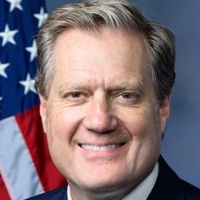
Michael Turner
Representative
OH
Michael Turner
Representative
OH
The Historic Preservation Fund Reauthorization Act extends the life of the Historic Preservation Fund through the year 2035. This legislation also increases the maximum annual funding available for the program from \$150 million to \$250 million. Essentially, this bill ensures continued and increased financial support for preserving historic sites across the nation.
This resolution formally expresses Congress's support, gratitude, and recognition for the dedication and sacrifices of local law enforcement officers.
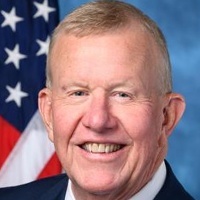
Mike Ezell
Representative
MS
Mike Ezell
Representative
MS
This Concurrent Resolution formally expresses the appreciation of Congress for the dedication and service of local law enforcement officers across the nation. It recognizes the sacrifices made by officers and their families in keeping communities safe. The resolution also encourages strong partnerships between police departments and the communities they serve.
This resolution calls upon local communities to support organizations that aid Gold Shield Families—the loved ones of first responders who died in the line of duty.
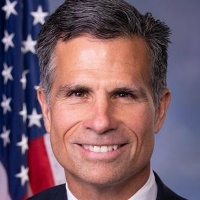
Daniel Meuser
Representative
PA
Daniel Meuser
Representative
PA
This resolution expresses gratitude to the families of first responders who died in the line of duty, known as Gold Shield Families. It recognizes the profound sacrifice made by these families and calls upon local communities to support the nonprofit organizations that provide them with essential resources and aid during their time of need. The bill emphasizes the nation's ongoing commitment to honoring both the fallen heroes and their surviving loved ones.
The EAGLE Act of 2025 establishes a federal grant program to help small local law enforcement agencies cover the costs of achieving or maintaining professional accreditation.

Chris Pappas
Representative
NH
Chris Pappas
Representative
NH
The EAGLE Act of 2025 establishes a new federal grant program to help small, local law enforcement agencies cover the costs associated with achieving or renewing official professional accreditation. This funding is specifically designated to pay for accreditation fees, on-site assessments, and related expenses from recognized organizations like CALEA. The program is funded with $10 million for Fiscal Year 2025 to support agencies with fewer than 350 employees.
This Act establishes a mandatory, scenario-based law enforcement training curriculum focused on de-escalation and safety, supported by a new, unfunded grant program to implement it nationwide.

Emilia Sykes
Representative
OH
Emilia Sykes
Representative
OH
The Law Enforcement Scenario-Based Training for Safety and De-Escalation Act of 2025 mandates the creation of a new, realistic, scenario-based training curriculum focused on de-escalation, crisis intervention, and appropriate use of force. It establishes a grant program, funded by existing DOJ resources, to help law enforcement agencies implement this training nationwide. The Act also requires regular reporting to Congress on the reach and effectiveness of the new training programs.
This Act establishes grants for families of homicide victims killed by certain unlawfully present aliens or drug traffickers and creates a new DHS office to support victims of crimes committed by inadmissible or unlawfully present aliens.
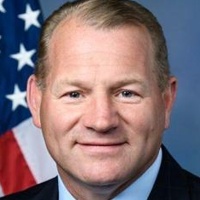
Troy Nehls
Representative
TX
Troy Nehls
Representative
TX
The Justice for Angel Families Act establishes new federal grants to compensate families of homicide victims killed by certain unlawfully present aliens or drug traffickers, covering medical, funeral, and emotional distress-related wage costs. Additionally, the bill creates a new Victims of Immigration Crime Engagement Office within DHS to provide proactive support, resources, and updates to victims of crimes committed by removable aliens. This office will operate a dedicated hotline and report annually to Congress on its impact and victim demographics.
This act mandates the development of a national strategy to improve the equipment, training, and staffing standards for firefighter Rapid Intervention Teams (RITs).
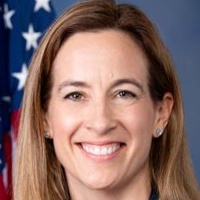
Mikie Sherrill
Representative
NJ
Mikie Sherrill
Representative
NJ
The PROTECT Firefighters Act mandates the U.S. Fire Administrator to develop a comprehensive national strategy to improve the equipment, training, and staffing standards for firefighter Rapid Intervention Teams (RITs). This strategy must analyze current nationwide capabilities, including specialized maritime teams, and review past firefighter fatality data related to RIT failures. Ultimately, the Act requires the Administrator to provide Congress with specific recommendations for legislative action to enhance RIT readiness and standardization across the country.
This resolution establishes a bipartisan Commission to study and recommend ways for Congress to better integrate evidence and data into the lawmaking process.
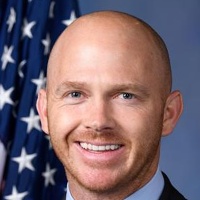
William Timmons
Representative
SC
William Timmons
Representative
SC
This resolution establishes the **Commission on Evidence-Based Policymaking** to guide Congress on using solid research and data when creating new laws. The Commission will study how to improve the federal government's use of data to ensure policies are based on what actually works. It will deliver a final report with recommendations to Congress by the end of the 119th Congress.
This resolution formally honors mothers, recognizes their essential role in raising the next generation, and explicitly defines motherhood as belonging to women while rejecting alternative terminology.
Randy Weber
Representative
TX
Randy Weber
Representative
TX
This resolution formally honors mothers and recognizes the vital role they play in raising the next generation, coinciding with Mother's Day. It reaffirms that motherhood is defined by women and strongly rejects alternative terminology that diminishes this role. Ultimately, the bill encourages the nation to celebrate the invaluable contributions of mothers to families and the country.