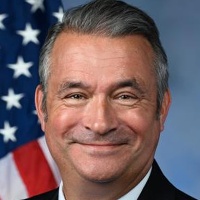
Legislative Activity
Track Don's sponsored bills, co-sponsored legislation, and voting record
The FARMER Act modifies premium support levels for whole-farm crop insurance plans and increases the government subsidy for the supplemental coverage option, while also mandating a study on expanding that supplemental coverage.
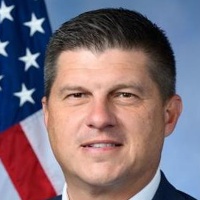
Brad Finstad
Representative
MN
Brad Finstad
Representative
MN
The FARMER Act adjusts federal premium support for certain whole-farm and enterprise-unit crop insurance plans, setting specific subsidy percentages for those options. It also increases the government's premium subsidy rate for the supplemental coverage option from 65% to 80%. Finally, the bill mandates a study on expanding the geographic scope of this supplemental coverage option.
This bill expands the Family and Medical Leave Act (FMLA) to grant eligible employees up to 26 weeks of leave to care for a covered service member or for their own service-related injuries, while also broadening the definition of "family" for military leave purposes.
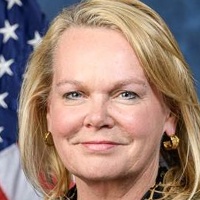
April McClain Delaney
Representative
MD
April McClain Delaney
Representative
MD
The MIL FMLA Act significantly expands existing family and medical leave protections under the FMLA for military families and veterans. It broadens the definition of covered family relationships to include domestic partners and other close relations when caring for a service member. The bill establishes a new entitlement of up to 26 workweeks of leave for caring for a covered service member or for a service member's own serious service-related injury or illness. These changes also apply to federal civilian employees, updating definitions and leave entitlements within Title 5 of the U.S. Code.
The REPORT Act mandates that the President must publish a 48-hour public notice and justification before implementing emergency or discretionary changes to import duties, followed by a Congressional briefing within seven days.

Young Kim
Representative
CA
Young Kim
Representative
CA
The REPORT Act mandates increased transparency when the President uses emergency powers to change import duties. It requires the administration to publish a detailed justification in the Federal Register at least 48 hours before the change takes effect. Additionally, Congress must be briefed on the decision and its rationale within seven days.
This act establishes a federal grant program to help law enforcement officers afford and access childcare during their off-hours.

Scott Peters
Representative
CA
Scott Peters
Representative
CA
The Providing Child Care for Police Officers Act of 2025 establishes a new federal grant program to help law enforcement officers secure childcare during non-traditional hours. Administered by HHS, these competitive grants will fund local agencies to offer subsidies, start new facilities, or cover operational costs for officers. The program requires state agencies to apply and secure matching funds, with a sunset date of September 30, 2030.
This Act establishes a federal loan and guarantee program to improve mental health and substance use treatment facilities, with surplus funds directed to a new Trust Fund supporting community mental health block grants.
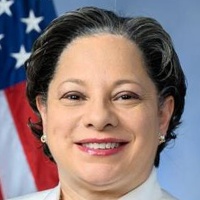
Jennifer McClellan
Representative
VA
Jennifer McClellan
Representative
VA
The Mental Health Infrastructure Improvement Act of 2025 establishes a federal program to issue loans and loan guarantees for building, renovating, and upgrading mental health and substance use disorder treatment facilities. This legislation prioritizes underserved areas and sets aside funds specifically for projects serving children and teens. Furthermore, it creates a dedicated Trust Fund to hold surplus revenue from the loan program, which Congress can later use to fund community mental health service block grants.
This Act enhances the FAA's Collegiate Training Initiative, establishes new grant programs, funds training equipment, creates retention incentives for air traffic controllers, and mandates improvements to mental health support and airport radar safety reporting.
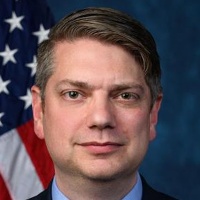
Nicholas Begich
Representative
AK
Nicholas Begich
Representative
AK
The Air Traffic Control Workforce Development Act of 2025 aims to strengthen the air traffic control pipeline by improving the Collegiate Training Initiative (CTI) program and establishing new grants for participating colleges. The bill also funds new training equipment and creates financial incentives to both encourage trainees to complete their certification and retain experienced controllers. Finally, it mandates improvements to mental health support for controllers and requires a report on the future of airport radar safety systems.
This Act allows federal law enforcement officers to receive retirement credit for previously capped overtime pay upon making a lump-sum payment, while also expanding eligibility for availability pay to certain other federal employees.
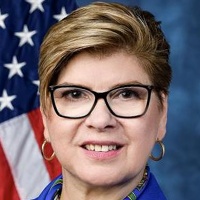
Nellie Pou
Representative
NJ
Nellie Pou
Representative
NJ
The LEO Fair Retirement Act of 2025 addresses compensation issues for federal law enforcement officers (LEOs) by allowing them to receive full retirement credit for previously capped overtime premium pay, provided they make a required lump-sum payment. The Act also expands eligibility for "availability pay" to several new categories of federal law enforcement personnel. Finally, it provides a non-refundable federal tax credit for officers receiving certain lump-sum payments related to their retirement annuity calculations.
The NURSE Act establishes a federal grant program to help high-need school districts hire more registered nurses to address significant student health and mental health needs.
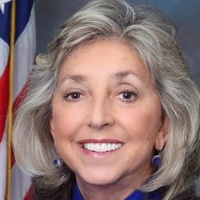
Dina Titus
Representative
NV
Dina Titus
Representative
NV
The Nurses for Under-Resourced Schools Everywhere (NURSE) Act establishes a federal grant program to help eligible local educational agencies hire more full-time registered nurses in public schools. These competitive demonstration grants prioritize high-need districts that currently lack adequate nursing staff. The goal is to address significant student health needs, including chronic conditions and mental health support, by increasing on-site nursing presence. Recipients must show a plan for long-term funding, as the federal share of costs decreases over the grant period.
This Act streamlines the transition of medically disqualified service members into DoD civilian roles while also connecting non-qualifying individuals with defense industry career opportunities.
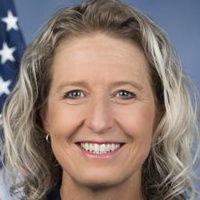
Jennifer Kiggans
Representative
VA
Jennifer Kiggans
Representative
VA
The Defense Workforce Integration Act of 2025 aims to streamline the transition of separating service members into civilian Department of Defense (DoD) roles, particularly for those medically disqualified from service. It also establishes a new program to connect medically ineligible individuals with career opportunities in the defense industrial base and related national security sectors. Furthermore, the bill mandates that the Navy inform separating personnel about career opportunities within the Military Sealift Command. The DoD must report to Congress within one year on the implementation of these integration and information-sharing provisions.
This bill expands the definition of "law enforcement officer" for federal retirement purposes under FERS and CSRS to include specific IRS, Postal Inspection, and VA police employees, and establishes rules for how current employees can count prior service under the new designation.
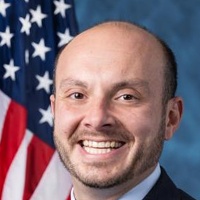
Andrew Garbarino
Representative
NY
Andrew Garbarino
Representative
NY
The Law Enforcement Officers Equity Act expands the definition of "law enforcement officer" for federal retirement purposes under both the Federal Employees Retirement System (FERS) and the Civil Service Retirement System (CSRS). This change adds specific IRS, Postal Inspection Service, and VA police roles to those eligible for enhanced retirement benefits. The bill also establishes procedures for current officers to elect to have their prior service counted under these new definitions, which may require a payment from the employee and their employing agency.
This resolution recognizes National Foster Care Month to highlight the challenges faced by children in the foster care system and encourages policy improvements to better their lives.
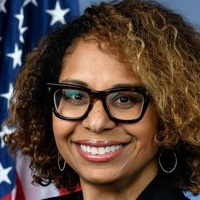
Sydney Kamlager-Dove
Representative
CA
Sydney Kamlager-Dove
Representative
CA
This resolution officially recognizes May as National Foster Care Month to raise awareness about the challenges facing children in the foster care system. It highlights the urgent need for improved policy and support to ensure every child achieves a safe, permanent, and loving family. The bill encourages greater investment in prevention services, family reunification, and support for youth aging out of care.
The ACES Act mandates a National Academies study on cancer prevalence and mortality among active duty fixed-wing aircraft crew members and extends certain pension payment limits.
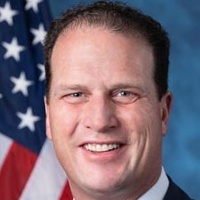
August Pfluger
Representative
TX
August Pfluger
Representative
TX
The ACES Act mandates a comprehensive study by the National Academies to investigate the prevalence and mortality rates of various cancers among active duty fixed-wing aircraft crew members due to potential service-related exposures. This legislation also extends the expiration date for certain limitations on veteran pension payments by one month. The study will analyze specific cancer types and utilize data from the VA, DoD, and other federal sources.
This bill establishes a point of order in the House to prevent reconciliation measures from reducing benefits for children, seniors, pregnant women, or disabled individuals under Medicaid or SNAP during the 119th Congress.
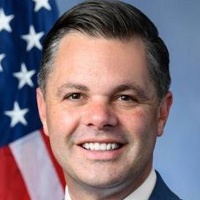
Zachary (Zach) Nunn
Representative
IA
Zachary (Zach) Nunn
Representative
IA
This bill establishes a point of order in the House of Representatives to prevent reconciliation measures from reducing benefits or eligibility for Medicaid or SNAP for protected groups, including children, seniors, pregnant women, and people with disabilities. This rule applies for the duration of the 119th Congress. However, provisions aimed at reducing fraud or improper payments are exempt from this restriction.
This Act establishes federal penalties for assaulting hospital personnel and creates a grant program to help medical facilities improve workforce safety.

Madeleine Dean
Representative
PA
Madeleine Dean
Representative
PA
The Save Healthcare Workers Act aims to protect hospital personnel by making assault against them a federal crime with severe penalties. It also establishes a new federal grant program to help hospitals implement crucial safety measures, such as violence prevention training and physical security upgrades. This legislation seeks to reduce workplace violence in healthcare settings across the nation.
This act establishes research grants and training programs to develop and implement PFAS-free, next-generation turnout gear to protect firefighters from occupational illness and injury.

Debbie Dingell
Representative
MI
Debbie Dingell
Representative
MI
The PFAS Alternatives Act aims to protect firefighters by funding research and development for next-generation turnout gear that eliminates harmful PFAS chemicals. The bill establishes grants through NIOSH to create safer, PFAS-free protective equipment and separate funding for training programs on the proper care of this new gear. Ultimately, this legislation seeks to reduce occupational illness and injury among fire and EMS personnel.
This Act treats spaceports like airports for the purpose of issuing tax-exempt bonds to finance their construction and operations.
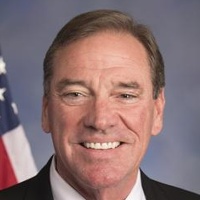
Neal Dunn
Representative
FL
Neal Dunn
Representative
FL
The Secure U.S. Leadership in Space Act of 2025 aims to bolster the commercial space industry by treating spaceports similarly to airports under tax-exempt bond rules. This allows qualifying spaceport facilities to access crucial financing benefits typically reserved for public infrastructure. The Act specifically defines what constitutes a spaceport for these purposes, including manufacturing and operational facilities, regardless of public access. This measure is designed to encourage investment in the infrastructure necessary for U.S. leadership in space activities.
The Community Services Block Grant Improvement Act of 2025 updates program goals, redefines eligibility using 200% of the poverty line, sets specific funding levels through 2032, and overhauls state application, oversight, and local agency governance requirements to better combat poverty and promote self-sufficiency.
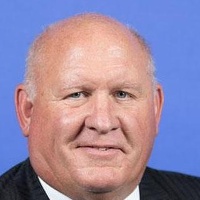
Glenn Thompson
Representative
PA
Glenn Thompson
Representative
PA
The Community Services Block Grant Improvement Act of 2025 aims to strengthen federal efforts to combat poverty by updating the core goals and operational rules of the Community Services Block Grant program. The bill revises definitions, sets a specific annual funding authorization through Fiscal Year 2032, and tightens requirements for state plans and local agency governance, including mandating tripartite boards. Ultimately, these changes seek to ensure grant funds are effectively used by local entities to promote the self-sufficiency of low-income individuals and families.
This bill limits the amount of unspent funds the Consumer Financial Protection Bureau (CFPB) can retain to 5% of a specified amount, requiring excess balances to be transferred to the Treasury general fund.
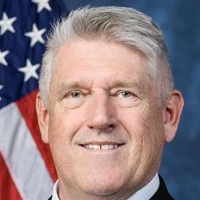
Troy Downing
Representative
MT
Troy Downing
Representative
MT
The CFPB Budget Integrity Act limits the amount of unspent funds, or "unobligated balances," the Consumer Financial Protection Bureau (CFPB) can retain to no more than 5% of a specified statutory amount. Any excess savings must be transferred to the Treasury general fund. This legislation also enhances reporting requirements to provide greater transparency regarding the CFPB's retained balances.
The Shipbuilding and Harbor Infrastructure for Prosperity and Security for America Act of 2025 establishes a centralized maritime authority, creates a dedicated funding trust, strengthens sealift capability, mandates increased use of U.S.-flagged vessels, invests heavily in domestic shipbuilding, and enhances workforce development and tax incentives for the maritime industry.
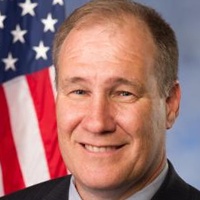
Trent Kelly
Representative
MS
Trent Kelly
Representative
MS
The **Shipbuilding and Harbor Infrastructure for Prosperity and Security for America Act of 2025** is a comprehensive bill designed to revitalize the U.S. maritime industry and secure critical supply chains. It establishes new centralized oversight for maritime policy, creates a dedicated Maritime Security Trust Fund financed by new vessel taxes, and mandates significant federal investment in domestic shipbuilding and workforce development. The legislation also imposes stricter cargo preference rules and tax incentives to ensure U.S.-flagged vessels dominate international commerce and defense sealift operations.
The SALUTE Act establishes a pilot program allowing certain active military members and their dependents to purchase supplemental, self-funded insurance to cover out-of-pocket cancer-related medical expenses not covered by TRICARE.
Brian Jack
Representative
GA
Brian Jack
Representative
GA
The SALUTE Act establishes a pilot program to allow certain active-duty service members and their dependents to purchase supplemental private insurance for uncovered cancer-related medical expenses. This optional coverage will be offered through agreements with selected insurance companies, with participants paying the full premium cost. The Department of Defense must report on the program's success after three years to determine if it should become permanent.