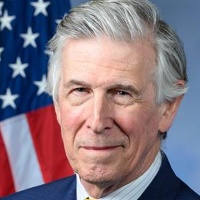
Legislative Activity
Track Donald's sponsored bills, co-sponsored legislation, and voting record
This resolution expresses the House's support for the International Atomic Energy Agency's vital role in global nuclear security and urges member states to provide reliable resources for its work.
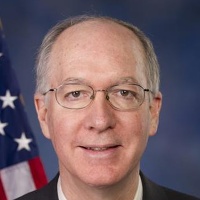
Bill Foster
Representative
IL
Bill Foster
Representative
IL
This resolution expresses the sense of the House of Representatives in strong support of the International Atomic Energy Agency's (IAEA) vital role in global nuclear security. It recognizes the ongoing threat posed by illicit nuclear material and encourages the U.S. and other member states to ensure the IAEA has reliable and sufficient resources, including through the Nuclear Security Fund, to fulfill its mission.
This act strengthens federal enforcement against market manipulation and false reporting in the electric and natural gas sectors by expanding FERC's authority to prohibit violators from engaging in energy business activities.

Janice Schakowsky
Representative
IL
Janice Schakowsky
Representative
IL
The Energy Consumer Protection Act of 2026 strengthens federal oversight of energy markets by enhancing penalties for market manipulation. This act grants the Federal Energy Regulatory Commission (FERC) the authority to prohibit individuals or entities who violate energy trading rules from participating in the buying or selling of electricity or natural gas. Furthermore, it criminalizes the willful submission of false information to federal or private price reporting agencies concerning natural gas transactions.
This resolution directs the President to remove U.S. Armed Forces from hostilities with Iran, unless necessary for imminent self-defense.
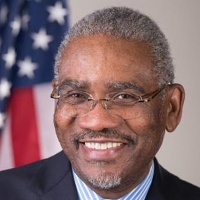
Gregory Meeks
Representative
NY
Gregory Meeks
Representative
NY
This resolution directs the President, under the War Powers Resolution, to remove U.S. Armed Forces from hostilities involving Iran. The order mandates withdrawal unless forces are necessary for imminent self-defense of the U.S. or its allies. Any continued defensive action must comply with existing War Powers reporting requirements.
This act establishes a bipartisan commission to develop legislative recommendations addressing the economic changes driven by artificial intelligence adoption.
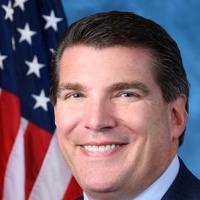
Jay Obernolte
Representative
CA
Jay Obernolte
Representative
CA
This Act establishes the bipartisan Economy of the Future Commission to develop consensus legislative recommendations on how the economy is changing due to the adoption of artificial intelligence. The Commission will study impacts across workforce development, education, social safety nets, and critical technology supply chains. It is tasked with delivering a final report with actionable policy proposals within 13 months of enactment.
This bill prohibits Presidents, Vice Presidents, and their close associates from receiving monetary payments or settlements from the United States government and imposes strict transparency and procedural requirements on any allowed legal claims.
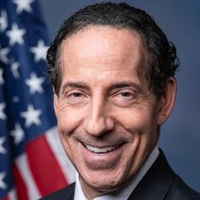
Jamie Raskin
Representative
MD
Jamie Raskin
Representative
MD
This bill amends federal law to prohibit current and former Presidents, Vice Presidents, and their close associates from receiving monetary payments or settlements from the United States government. It establishes strict rules and transparency requirements for any damages lawsuits they might file against the government. The legislation also imposes significant penalties for willful violations of these new restrictions by covered individuals and federal employees.
This bill mandates comprehensive safety upgrades for civilian and military aviation, focusing on collision avoidance technology, air traffic control training, and enhanced airspace transparency, particularly around high-traffic airports.
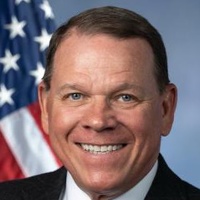
Sam Graves
Representative
MO
Sam Graves
Representative
MO
The Airspace Location and Enhanced Risk Transparency Act of 2026 mandates significant safety upgrades across both civilian and military aviation to prevent midair collisions. It requires the FAA to implement advanced collision avoidance systems and new air traffic controller training, while also compelling the Department of Defense to equip most military helicopters with transponders for increased visibility. The bill establishes new transparency measures, including public tracking of safety rule implementation and enhanced reporting on near-miss incidents, particularly around major airports like Reagan National.
This bill officially renames the United States Postal Service facility in New Kent, Virginia, as the Patricia Paige Post Office.

Robert Wittman
Representative
VA
Robert Wittman
Representative
VA
This bill officially renames the United States Postal Service facility located at 12109 New Kent Highway in New Kent, Virginia. Upon enactment, the facility will be known as the Patricia Paige Post Office. This designation will apply to all federal records and official references to the location.
This bill officially names the United States Postal Service facility in Sterling, Virginia, as the Firefighter Trevor Brown Post Office Building.
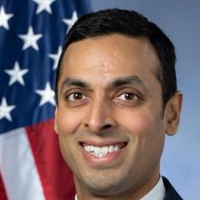
Suhas Subramanyam
Representative
VA
Suhas Subramanyam
Representative
VA
This bill officially renames the United States Postal Service facility located at 46164 Westlake Drive in Sterling, Virginia. The facility will now be known as the Firefighter Trevor Brown Post Office Building. This designation will be used in all official federal references to the building.
This bill establishes a commission of medical and former government experts to evaluate a President's physical or mental capacity to discharge the duties of the office when directed by Congress.
Jamie Raskin
Representative
MD
Jamie Raskin
Representative
MD
This bill establishes the Commission on Presidential Capacity to Discharge the Powers and Duties of the Office, a body tasked with evaluating the physical or mental fitness of the President. The Commission, composed of medical experts and former high-ranking officials, can be directed by Congress to examine the President. Its findings regarding the President's ability to execute their duties are then reported to Congress and the Vice President.
The Virtual Readiness Act of 2026 mandates a Department of Defense briefing on the feasibility of utilizing virtual constructive training to optimize in-air military training operations.
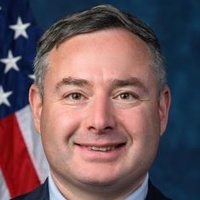
Eugene Vindman
Representative
VA
Eugene Vindman
Representative
VA
The Virtual Readiness Act of 2026 mandates that the Secretary of Defense evaluate the feasibility of integrating virtual constructive training into military programs. This initiative aims to optimize in-air training requirements for the Armed Forces. The Secretary must report these findings to congressional defense committees within 180 days of enactment.
The Neighborhood Skies Act of 2026 mandates that the Secretary of Defense submit annual reports to Congress detailing military proficiency flights conducted within the National Capitol Region.
Eugene Vindman
Representative
VA
Eugene Vindman
Representative
VA
The Neighborhood Skies Act of 2026 requires the Secretary of Defense to submit annual reports to Congress detailing the number of military proficiency flights conducted within the National Capitol Region. This legislation mandates these reports for a three-year period to increase transparency regarding Department of Defense flight activity in the Washington, D.C. area.
This bill nullifies the February 2026 presidential import surcharge, prohibits future similar actions, and mandates the refund of all tariffs collected under the proclamation.
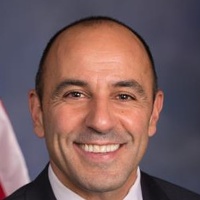
Jimmy Panetta
Representative
CA
Jimmy Panetta
Representative
CA
This bill nullifies Presidential Proclamation 11012, effectively repealing the temporary import surcharge imposed on February 20, 2026. It prohibits the implementation or enforcement of similar future surcharges and mandates a full refund of all tariffs collected under the proclamation.
The Parental Bereavement Act of 2026 amends the Family and Medical Leave Act to provide employees with job-protected, unpaid leave following the death of a son or daughter.
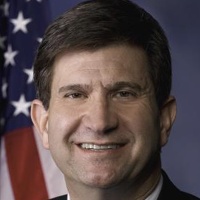
Bradley Schneider
Representative
IL
Bradley Schneider
Representative
IL
The Parental Bereavement Act of 2026 (also known as the Sarah Grace-Farley-Kluger-Barklage Act) amends the Family and Medical Leave Act to provide employees with job-protected, unpaid leave following the death of a son or daughter. This legislation allows eligible employees to take up to 12 weeks of leave within a year of the loss, with the option to substitute accrued paid leave. These protections extend to both private-sector and federal civil service employees.
This act mandates electronic, multi-method notification to applicants and representatives within 24 hours of any status change on a pending immigration petition or application.
Suhas Subramanyam
Representative
VA
Suhas Subramanyam
Representative
VA
The Immigration Status Notification and Transparency Act of 2026 mandates that the government electronically notify applicants, petitioners, and their representatives within 24 hours of any change to a pending immigration petition or application status. This notification must be delivered via at least two methods, such as email, phone call, or text message.
This resolution formally recognizes the persistence of the gender wage gap in the United States and reaffirms a commitment to achieving equal pay for equal work.
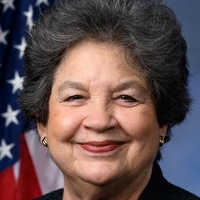
Lois Frankel
Representative
FL
Lois Frankel
Representative
FL
This resolution formally recognizes the persistent gender wage gap in the United States and its significant negative impact on women, families, and the national economy. It highlights the systemic factors contributing to pay disparities across various demographics and occupations. Ultimately, the resolution reaffirms Congress's commitment to achieving equal pay for equal work.
The Ultra-Millionaire Tax Act of 2026 establishes an annual federal wealth tax on individuals with a net worth exceeding $50 million while increasing funding for IRS enforcement and taxpayer services.
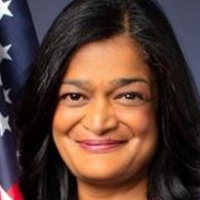
Pramila Jayapal
Representative
WA
Pramila Jayapal
Representative
WA
The Ultra-Millionaire Tax Act of 2026 proposes a new annual federal wealth tax on individuals with a net worth exceeding $50 million, with rates ranging from 2% to 3% based on total assets. The legislation includes robust enforcement measures, such as increased IRS funding and mandatory audit requirements, to ensure compliance among the ultra-wealthy. Additionally, it strengthens foreign asset disclosure requirements to prevent tax avoidance.
The Momnibus Act is a comprehensive legislative package designed to improve maternal health outcomes and reduce racial disparities by addressing social determinants, expanding nutritional and mental health support, diversifying the perinatal workforce, and investing in data-driven, community-based care.

Lauren Underwood
Representative
IL
Lauren Underwood
Representative
IL
The Momnibus Act is a comprehensive legislative package designed to end preventable maternal mortality and close racial and ethnic disparities in maternal health outcomes. By addressing social determinants of health, expanding nutritional and mental health support, and investing in a diverse, culturally competent workforce, the bill provides a holistic framework for improving care. Through targeted federal grants, enhanced data collection, and innovative technology, the Act aims to ensure that all pregnant and postpartum individuals receive the equitable, high-quality care they deserve.
The Energy Bills Relief Act aims to lower energy costs for families by reversing clean energy rollbacks, expanding assistance programs, streamlining grid upgrades, and increasing transparency in utility regulation.
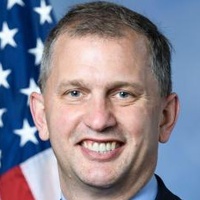
Sean Casten
Representative
IL
Sean Casten
Representative
IL
The Energy Bills Relief Act is a comprehensive bill designed to lower energy costs for American families, accelerate the deployment of low-cost, clean energy, and modernize the nation's electricity grid. It achieves this by reversing harmful policies against renewables, expanding energy assistance programs, streamlining grid connection processes, and increasing transparency in utility regulation. Ultimately, the legislation aims to create a more reliable, affordable, and cleaner energy system while ensuring communities have a stronger voice in energy development.
This act establishes sweeping reforms to the Medicare hospice program, including a five-year enrollment moratorium, enhanced oversight, new payment structures, and stricter quality reporting penalties.

Linda Sánchez
Representative
CA
Linda Sánchez
Representative
CA
The Hospice Care Accountability, Reform, and Enforcement (Hospice CARE) Act of 2026 establishes sweeping reforms to enhance oversight and integrity within the Medicare hospice program. Key provisions include a temporary nationwide moratorium on new hospice enrollment, increased survey frequency, and significant changes to payment structures starting in 2030. The bill aims to combat fraud, ensure higher quality of care through stricter certification and ownership rules, and adjust payment methodologies over the next decade.
This resolution directs the President to remove U.S. Armed Forces from unauthorized hostilities against Iran, pursuant to the War Powers Resolution.
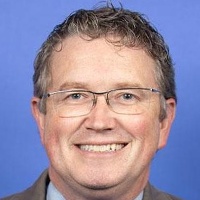
Thomas Massie
Representative
KY
Thomas Massie
Representative
KY
This resolution directs the President, under the authority of the War Powers Resolution, to immediately remove U.S. Armed Forces from unauthorized hostilities against the Islamic Republic of Iran. It asserts that military action must cease unless Congress has formally declared war or passed a specific authorization for the use of force. The bill explicitly states that it does not authorize new military action nor does it impede necessary self-defense against an immediate attack.