This resolution recognizes the bicentennial of the historic DACOR Bacon House, celebrating its rich history connected to key American figures, diplomacy, and its ongoing role as a center for cultural exchange.
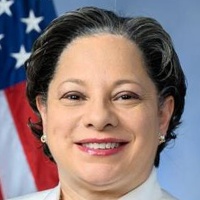
Jennifer McClellan
Representative
VA-4
This resolution recognizes the bicentennial of the historic DACOR Bacon House, acknowledging its deep connection to key figures in American history, diplomacy, and the Supreme Court. It commends the DACOR Bacon House Foundation for preserving this landmark, which continues to serve as a center for educational and cultural exchange. The resolution celebrates the house's enduring significance to the nation's capital.
Congress Recognizes DACOR Bacon House Bicentennial, Highlighting 200 Years of Diplomacy and History
The Resolution: A Historical Shout-Out
Sometimes, Congress passes a resolution that isn't about changing laws, spending money, or creating new regulations—it's about giving a formal nod to history. This resolution does exactly that, recognizing the bicentennial (200th anniversary) of the DACOR Bacon House. Built in 1825, this historic landmark in Washington, D.C., is getting a formal tip of the hat for its long and complex history, from its roots on Anacostan ancestral land to its current role as a hub for foreign affairs professionals.
The House That Saw It All
This isn't just about celebrating an old building; it’s about acknowledging a place deeply woven into the fabric of American history. The resolution specifically details the house’s connections to major historical figures. For instance, it notes that the land was once owned by Revolutionary War veteran David Burnes and that the house was built by Tench Ringgold, who, the resolution points out, used enslaved labor in its construction. This level of detail ensures the recognition isn't just a glossy celebration but a comprehensive look at its past. The house later served as the official residence for Russian Imperial Minister Nikolai Shishkin and housed several U.S. Supreme Court Justices as boarders, placing it squarely in the center of 19th-century D.C. power dynamics.
Where Diplomacy Happens Now
So, what does this house do today? The resolution highlights its current role: since 1986, it’s been owned by the DACOR Bacon House Foundation and serves as the headquarters for DACOR (Diplomatic and Consular Officers, Retired). For those of us who aren't policy wonks, this means the building is still active, functioning as a center for educational programs, policy discussions, and cultural exchange among people who have spent their careers in foreign service. Essentially, it’s where retired diplomats gather to keep the conversation going.
The Real-World Impact (Or Lack Thereof)
Since this is a recognition resolution, it carries no legislative weight. It won't change your taxes, affect your commute, or create new government programs. Its purpose is purely ceremonial: to formally acknowledge the historic importance of the DACOR Bacon House to American diplomacy, the Supreme Court, and Congress. It applauds the DACOR organization and the Foundation for their work in preserving the building and wishes them well for the next 200 years. For everyday people, this resolution serves as a reminder that history isn't always in a textbook—sometimes it’s in a preserved building in the nation’s capital, thanks to the dedicated work of a preservation foundation.