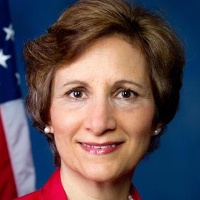
Legislative Activity
Track Suzanne's sponsored bills, co-sponsored legislation, and voting record
This act repeals specific sections of a prior reconciliation act to restore previous laws affecting American families and farmers.
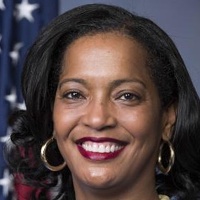
Jahana Hayes
Representative
CT
Jahana Hayes
Representative
CT
The Restoring Food Security for American Families and Farmers Act of 2025 aims to strengthen domestic food security by repealing specific sections of a prior reconciliation act. This action effectively revives the original laws that were previously amended by the repealed provisions. The bill seeks to revert existing agricultural and food-related statutes to their pre-amendment status.
This bill amends the Revised Statutes to redefine the scope of civil actions that can be brought against individuals acting under the authority of the United States.
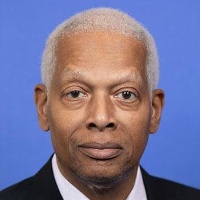
Henry Johnson
Representative
GA
Henry Johnson
Representative
GA
The Bivens Act of 2025 amends existing law to redefine the scope of civil actions that can be brought against individuals acting under federal authority. This legislation specifically revises Section 1979 of the Revised Statutes concerning such lawsuits. The core change narrows the focus of these civil actions to exclusively target persons acting under the authority of the United States.
This bill mandates the restoration of free telephone services and communication access for individuals in immigration detention, ensuring contact with family and legal counsel.
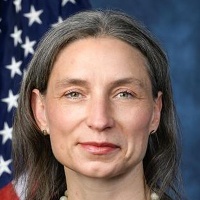
Maxine Dexter
Representative
OR
Maxine Dexter
Representative
OR
The Restoring Access for Detainees Act aims to reinstate and expand free communication services for individuals in civil immigration detention. It mandates the provision of free phone calls, including 200 free outgoing minutes monthly, specifically for contacting family and legal counsel. Furthermore, the bill ensures private, unmonitored communication opportunities with attorneys and certain government officials upon arrival in custody.
This Act ensures uninterrupted funding and operation for the SNAP and WIC programs through fiscal year 2026, even if appropriations for the Department of Agriculture are delayed.
Jahana Hayes
Representative
CT
Jahana Hayes
Representative
CT
The Keep SNAP and WIC Funded Act of 2025 ensures that the Supplemental Nutrition Assistance Program (SNAP) and the Special Supplemental Nutrition Program for Women, Infants, and Children (WIC) continue to operate without interruption in fiscal year 2026 if standard appropriations are delayed. If funding lapses, the Secretary of Agriculture is authorized to use funds from the Treasury to provide benefits and reimburse state agencies. This special funding remains in effect until full appropriations are enacted or until September 30, 2026.
The Pre-Registration Of Voters Everywhere Act (PROVE Act) mandates that states allow 16- and 17-year-olds to pre-register to vote in federal elections and provides grants to encourage youth involvement in election activities.
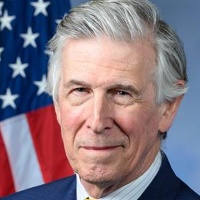
Donald Beyer
Representative
VA
Donald Beyer
Representative
VA
The Pre-Registration Of Voters Everywhere (PROVE) Act mandates that states establish a process for 16- and 17-year-olds to pre-register to vote in federal elections. Once they turn 18 and meet other requirements, these individuals will be automatically registered. The bill also authorizes grants to states to encourage civic engagement and promote the use of this new pre-registration system among young people.
This resolution supports the goals of National Domestic Violence Awareness Month, highlights the pervasive and devastating impact of intimate partner violence across all demographics, and calls for increased funding for prevention and support programs.
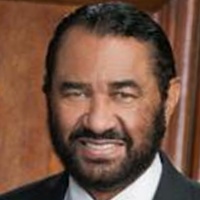
Al Green
Representative
TX
Al Green
Representative
TX
This resolution designates October as National Domestic Violence Awareness Month to highlight the widespread and devastating impact of intimate partner violence across all demographics. It recognizes the urgent need to eliminate domestic violence and supports increased funding for intervention and prevention programs. The resolution underscores the severe physical, emotional, and economic toll this abuse takes on individuals, families, and communities.
This bill extends and modifies various tax credits for energy production, efficiency improvements, and clean vehicle adoption to lower energy costs and support American energy leadership.
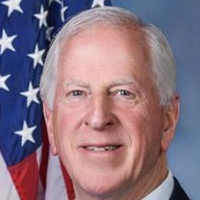
Mike Thompson
Representative
CA
Mike Thompson
Representative
CA
The American Energy Independence and Affordability Act is a comprehensive bill designed to lower energy costs by extending and adjusting key tax incentives across energy production, efficiency, and clean vehicle adoption. It stabilizes support for renewable energy manufacturing, extends deadlines for energy-efficient building credits, and ensures consumer incentives for electric vehicles remain available through 2032. Overall, the legislation aims to provide long-term certainty for energy investments and consumer adoption of cleaner technologies.
This resolution formally honors the extraordinary life, groundbreaking scientific contributions, and enduring global legacy of Dr. Jane Goodall.

Mike Quigley
Representative
IL
Mike Quigley
Representative
IL
This resolution formally honors the extraordinary life, leadership, and enduring legacy of Dr. Jane Goodall. It celebrates her groundbreaking scientific contributions to primatology and her tireless global advocacy for wildlife conservation and environmental education. The bill recognizes her founding of the Roots and Shoots program and extends sympathy to her family and colleagues.
This resolution expresses support for recognizing October 26, 2025, as Intersex Awareness Day and advocates for the bodily autonomy and human rights of intersex individuals, particularly by opposing nonconsensual early medical interventions.
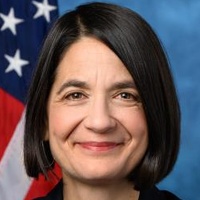
Becca Balint
Representative
VT
Becca Balint
Representative
VT
This resolution expresses the House's support for recognizing October 26th as Intersex Awareness Day and affirms the goals of the observance. It highlights the reality of natural variations in sex characteristics and strongly condemns nonconsensual, irreversible medical procedures performed on intersex infants and children. The bill encourages federal, state, and local entities to promote awareness, ensure culturally sensitive healthcare, and prioritize the bodily autonomy and human rights of intersex individuals.
This resolution officially designates October 23, 2025, as National Marine Sanctuary Day to celebrate and encourage the stewardship of the nation's underwater parks.
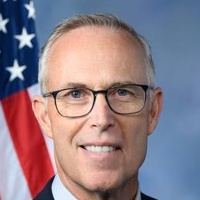
Jared Huffman
Representative
CA
Jared Huffman
Representative
CA
This resolution officially designates October 23, 2025, as "National Marine Sanctuary Day" to honor the importance of the National Marine Sanctuary System. It recognizes these underwater parks for protecting vital ecosystems, cultural history, and supporting local economies through recreation and tourism. The bill encourages the public to responsibly visit and enjoy these treasured ocean and Great Lakes sites.
This bill mandates FEMA to reimburse fire departments for expenses incurred due to National Fire Academy course cancellations caused by a lapse in appropriations.
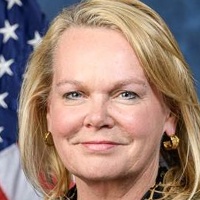
April McClain Delaney
Representative
MD
April McClain Delaney
Representative
MD
The National Fire Academy RESCUE Act ensures that fire departments are reimbursed for expenses incurred when National Fire Academy training courses are canceled due to a lapse in federal appropriations (a government shutdown). FEMA must reimburse departments for covered costs, such as travel and backfill staffing, within 90 days of receiving an itemized application following the shutdown's end. This reimbursement does not apply if the cancellation was due to reasons other than a lapse in appropriations, such as instructor illness or other emergencies.
This bill, the Healthy Meals Help Kids Learn Act of 2025, increases federal reimbursement rates for school lunches and breakfasts starting in late 2025.
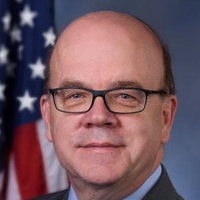
James McGovern
Representative
MA
James McGovern
Representative
MA
The Healthy Meals Help Kids Learn Act of 2025 aims to increase federal reimbursement rates for school meals. Specifically, it provides an additional 45 cents per lunch and 28 cents per breakfast served by school food authorities starting November 1, 2025. These adjusted rates will be subject to future inflation adjustments.
This resolution expresses the House of Representatives' support for designating the second Monday in October 2025 as "Indigenous Peoples' Day" to honor the history, culture, and contributions of Indigenous Peoples.
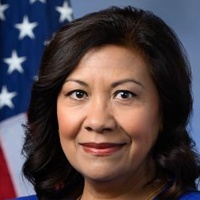
Norma Torres
Representative
CA
Norma Torres
Representative
CA
This resolution expresses the strong support of the House of Representatives for designating the second Monday in October 2025 as "Indigenous Peoples' Day." It aims to formally recognize and honor the history, culture, and enduring contributions of Indigenous Peoples in the United States. The measure encourages public observance and supports the eventual establishment of this day as an official Federal holiday.
This Act mandates that all states must operate the WIC program and guarantees necessary funding through permanent appropriation starting in fiscal year 2026.
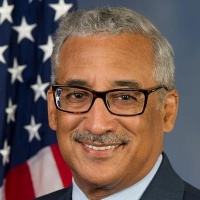
Robert Scott
Representative
VA
Robert Scott
Representative
VA
The WIC Benefits Protection Act mandates that all states must operate the Special Supplemental Nutrition Program for Women, Infants, and Children (WIC). This legislation also guarantees permanent, mandatory funding for WIC starting in fiscal year 2026, ensuring the program has the necessary resources annually. Furthermore, it clarifies eligibility language within the program's governing statute.
This act ensures federal employees furloughed due to a lapse in government funding are reimbursed for childcare expenses incurred during that period.

Ilhan Omar
Representative
MN
Ilhan Omar
Representative
MN
The Federal Worker Childcare Protection Act of 2025 aims to reimburse federal employees for childcare expenses incurred during periods of government shutdown or lapse in funding. Eligible employees who were furloughed or unpaid due to a funding lapse can receive reimbursement by submitting proof of payment to the GSA. This provision is contingent upon Congress appropriating the necessary funds.
This resolution expresses deep concern over the surge in book banning and threats to free expression, urging the immediate restoration of removed materials in federal schools and the repeal of restrictive directives.
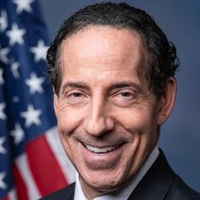
Jamie Raskin
Representative
MD
Jamie Raskin
Representative
MD
This resolution expresses deep concern over the growing trend of book banning and threats to freedom of expression in U.S. schools and libraries. It asserts that such censorship undermines democratic values and harms students by restricting access to diverse ideas and histories. The bill urges local entities to follow best practices for book challenges and calls for the immediate reinstatement of books removed from Department of Defense schools. Ultimately, it reaffirms the nation's commitment to First Amendment rights and the freedom to read.
This resolution officially designates October 8, 2025, as Latina Equal Pay Day to recognize and address the significant wage disparity faced by Latina women compared to White, non-Hispanic men.
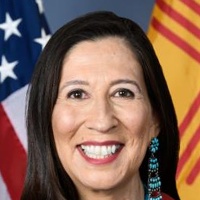
Teresa Leger Fernandez
Representative
NM
Teresa Leger Fernandez
Representative
NM
This resolution officially designates October 8, 2025, as Latina Equal Pay Day to highlight the significant wage disparity faced by Latina workers. It recognizes that Latinas currently earn only about 58 cents for every dollar earned by White, non-Hispanic men, resulting in substantial lifetime earnings loss. The bill calls attention to systemic factors like workplace policies and harassment that contribute to this ongoing economic injustice. Ultimately, Congress reaffirms its commitment to achieving pay equity for all women.
This resolution expresses support for designating October 2025 as National Learning Disabilities Awareness Month while urging action to address the significant achievement gaps faced by students with Specific Learning Disabilities.
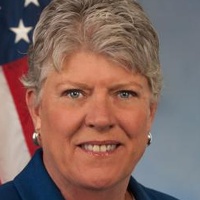
Julia Brownley
Representative
CA
Julia Brownley
Representative
CA
This resolution expresses support for designating October 2025 as National Learning Disabilities Awareness Month to highlight the significant academic challenges faced by students with Specific Learning Disabilities (SLD). It emphasizes that SLDs are the most common disability category under IDEA, yet these students show alarmingly low proficiency rates in reading and math. The bill urges early screening and calls on educational agencies to ensure these students receive the required specialized instruction and support to achieve success.
This Act establishes the Marine Energy Acceleration Fund to invest one billion dollars in demonstration projects, research, site assessment, and workforce development to advance ocean wave, tidal, and current energy technologies.
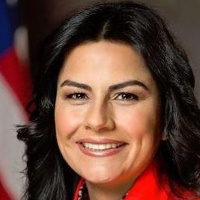
Nanette Barragán
Representative
CA
Nanette Barragán
Representative
CA
The Marine Energy Technologies Acceleration Act establishes the Marine Energy Acceleration Fund to boost power generation from ocean waves, tides, and currents. This legislation directs significant funding toward demonstration projects that connect to local power grids and supports research and development to improve technology efficiency and lower costs. Furthermore, the bill mandates efforts to assess promising energy sites, streamline the permitting process, and develop a skilled workforce for the emerging marine energy industry.
This act automatically reinstates Department of Energy financial assistance awards that were previously canceled based on the May 15, 2025 Secretarial Memorandum.
Nanette Barragán
Representative
CA
Nanette Barragán
Representative
CA
The Stop the Trump Electricity Price Hikes Act immediately reinstates financial assistance awards previously canceled by the Department of Energy (DOE). This action specifically reverses cancellations based on the May 15, 2025 Secretarial Memorandum. The bill ensures these awards continue as if they had never been terminated.