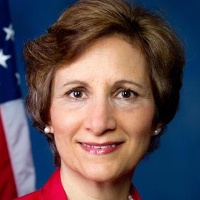
Legislative Activity
Track Suzanne's sponsored bills, co-sponsored legislation, and voting record
This act establishes a dedicated unit within the Department of Justice to enhance the investigation and prosecution of international trade-related crimes, such as smuggling, money laundering, and duty evasion.
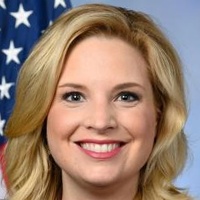
Ashley Hinson
Representative
IA
Ashley Hinson
Representative
IA
The Protecting American Industry and Labor from International Trade Crimes Act of 2026 establishes a dedicated unit within the Department of Justice to investigate and prosecute criminal trade activities, such as smuggling, duty evasion, and trade-based money laundering. This legislation aims to bolster enforcement capacity through increased staffing, interagency collaboration, and the development of multi-jurisdictional responses. Additionally, it mandates annual reporting to Congress to ensure transparency and accountability in the government's efforts to protect American industry and labor.
The High School Voter Empowerment Act of 2026 mandates that public high schools serve as voter registration agencies and conduct annual registration drives for eligible students.
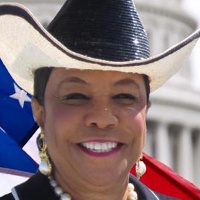
Frederica Wilson
Representative
FL
Frederica Wilson
Representative
FL
The High School Voter Empowerment Act of 2026 designates all public high schools as official voter registration agencies. The bill requires these schools to conduct annual voter registration drives for eligible students and establishes a federal reimbursement program to cover the costs of these initiatives. Additionally, it authorizes states to provide voting equipment for student-led elections to encourage civic engagement.
The Protect American Values Act prohibits the use of federal funds to implement or enforce the Department of Homeland Security’s "Public Charge Ground of Inadmissibility" rule.
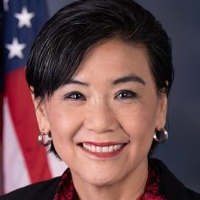
Judy Chu
Representative
CA
Judy Chu
Representative
CA
The Protect American Values Act seeks to block the implementation and enforcement of the Department of Homeland Security’s "Public Charge Ground of Inadmissibility" rule. The bill asserts that this policy harms immigrant families and local economies by restricting access to essential food, housing, and medical care. Consequently, it prohibits the use of federal funds to carry out or administer the rule.
The Feeding Our Rural Kids (FORK) Act of 2026 establishes a pilot program providing grants to help eligible organizations purchase or maintain vehicles for delivering summer meals to children in underserved rural areas.
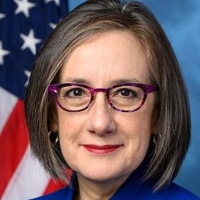
Andrea Salinas
Representative
OR
Andrea Salinas
Representative
OR
The Feeding Our Rural Kids (FORK) Act of 2026 establishes a pilot program to provide grants for vehicles used to deliver summer meals to children in underserved rural areas. By funding the purchase and maintenance of delivery vehicles, this legislation aims to improve food access for students in economically disadvantaged communities.
The READ Act reauthorizes and reforms federal literacy grant programs to support evidence-based reading instruction aligned with the "science of reading" for students from early childhood through grade 12.
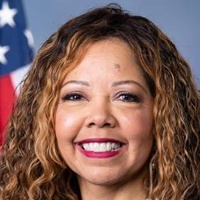
Lucy McBath
Representative
GA
Lucy McBath
Representative
GA
The READ Act (Reading Excellence and Achievement for Development Act) reauthorizes and reforms the Comprehensive Literacy State Development Grants program to improve student literacy nationwide. The bill prioritizes evidence-based instruction aligned with the "science of reading," mandates universal early literacy screening, and provides targeted support for low-performing states. Additionally, it enhances research initiatives and increases transparency by requiring states to report on literacy progress and teacher preparation alignment.
The Restoring Justice for Workers Act prohibits mandatory pre-dispute arbitration agreements and class-action waivers, ensuring workers retain their right to pursue legal claims collectively in court.
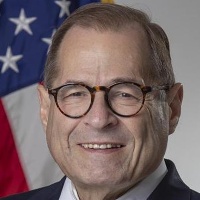
Jerrold Nadler
Representative
NY
Jerrold Nadler
Representative
NY
The Restoring Justice for Workers Act prohibits employers from forcing workers to sign away their rights to pursue legal claims in court or participate in collective legal actions. The bill renders pre-dispute mandatory arbitration agreements and class-action waivers unenforceable, ensuring workers retain the ability to seek justice for workplace violations. Additionally, it protects employees from retaliation for refusing to waive these fundamental legal rights.
The TPS Review Act strengthens judicial oversight and establishes congressional review for decisions to terminate Temporary Protected Status, ensuring that such actions are evidence-based and subject to legal challenge.
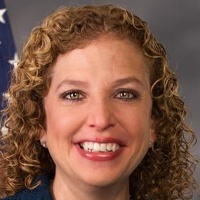
Debbie Wasserman Schultz
Representative
FL
Debbie Wasserman Schultz
Representative
FL
The Temporary Protected Status (TPS) Review Act strengthens oversight of government decisions to terminate TPS designations by reinstating judicial review and requiring that such decisions be supported by a comprehensive administrative record. The bill also subjects TPS terminations to congressional review under the Congressional Review Act, ensuring these decisions are subject to greater accountability. Additionally, it provides legal protections for beneficiaries by automatically staying terminations during the pendency of any legal challenges.
This bill reauthorizes the Accelerating Access to Critical Therapies for ALS Act through 2031 while enhancing grant oversight, safety reporting requirements, and FDA strategic planning for rare neurodegenerative diseases.

Mike Quigley
Representative
IL
Mike Quigley
Representative
IL
The Accelerating Access to Critical Therapies for ALS Reauthorization Act of 2026 extends vital funding for ALS research and clinical trial programs through 2031. This legislation strengthens oversight by enhancing grant review processes, improving safety reporting requirements, and mandating a comprehensive five-year FDA action plan to accelerate the development of treatments for rare neurodegenerative diseases.
This bill prohibits domestic business entities with significant foreign ownership or influence from contributing to U.S. elections and mandates strict certification requirements to ensure political spending is free from foreign control.
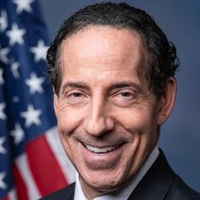
Jamie Raskin
Representative
MD
Jamie Raskin
Representative
MD
The Get Foreign Money Out of United States Elections Act strengthens existing laws to prevent foreign influence in American elections. It expands the ban on foreign contributions to include domestic companies with significant foreign ownership or control and mandates strict certification requirements for corporate political action committees. These measures ensure that foreign entities cannot influence federal, state, or local elections through direct spending, ballot initiatives, or Super PACs.
The Right to Learn Act of 2026 establishes a federal grant program to provide schools and community organizations with the resources necessary to support students and staff impacted by immigration enforcement actions while protecting their privacy and right to education.
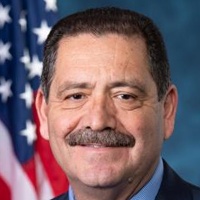
Jesús García
Representative
IL
Jesús García
Representative
IL
The Right to Learn Act of 2026 establishes a federal grant program to support schools and community organizations in providing trauma-informed care and resources to students and families impacted by immigration enforcement. The Act aims to ensure that all children, regardless of immigration status, have access to a safe, stable, and inclusive learning environment. Additionally, it mandates strict privacy protections for student information and prohibits discrimination based on immigration status.
This resolution recognizes July 21, 2026, as Black Women’s Equal Pay Day to raise awareness of the persistent wage gap and reaffirm the commitment to achieving pay equity.
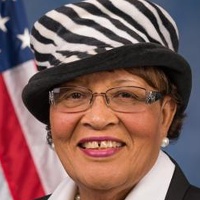
Alma Adams
Representative
NC
Alma Adams
Representative
NC
This resolution recognizes July 21, 2026, as Black Women’s Equal Pay Day to highlight the persistent and significant wage gap between Black women and white, non-Hispanic men. It calls attention to the systemic racial and gender-based barriers contributing to this disparity and reaffirms a commitment to achieving true pay equity.
The No Passes for Polluters Act of 2026 requires Congressional approval for executive branch exemptions from Clean Air Act emission standards and eliminates specific compliance waivers for hazardous air pollutants.

Doris Matsui
Representative
CA
Doris Matsui
Representative
CA
The No Passes for Polluters Act of 2026 amends the Clean Air Act to require explicit Congressional approval before the President or federal agencies can grant exemptions from air pollution, vehicle fleet, or ozone-depleting substance regulations. The bill establishes a formal joint resolution process for these approvals and empowers citizens to sue if exemptions are utilized without legislative authorization. Additionally, the legislation repeals existing provisions that allowed for compliance schedule exemptions regarding hazardous air pollutants.
The AADAPT Act expands grant eligibility and funding to integrate dementia care services into health centers through 2031.
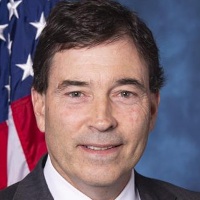
Troy Balderson
Representative
OH
Troy Balderson
Representative
OH
The AADAPT Act expands access to specialized dementia care by authorizing grants for public and nonprofit health centers to integrate these services into their programs. Additionally, the bill extends federal funding authorization through 2031 to ensure the continued growth and sustainability of these critical health outcomes.
The Stop CHEATERS Act provides significant multi-year funding to the IRS to modernize technology, improve taxpayer services, and enhance tax enforcement efforts focused on high-income individuals and large corporations.
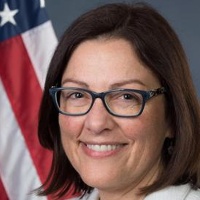
Suzan DelBene
Representative
WA
Suzan DelBene
Representative
WA
The Stop CHEATERS Act provides significant multi-year funding to the IRS to modernize its technology, improve taxpayer services, and strengthen tax enforcement. The bill specifically mandates that the agency prioritize auditing high-income individuals and large corporations to close the tax gap. Additionally, it requires regular reporting to Congress to ensure accountability and progress in these enforcement efforts.
This bill mandates electronic prior authorization, increases transparency through required data reporting, and establishes faster decision timelines for Medicare Advantage plans to improve timely access to care for seniors.
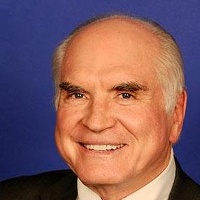
Mike Kelly
Representative
PA
Mike Kelly
Representative
PA
The Improving Seniors’ Timely Access to Care Act of 2025 aims to streamline and modernize the prior authorization process within Medicare Advantage plans. This bill mandates the adoption of electronic prior authorization systems and significantly increases transparency regarding approval rates and decision times starting in 2027. Furthermore, it establishes new enrollee protections and grants the Secretary authority to enforce faster decision timeframes for medical services.
The Essential Caregivers Act of 2026 mandates that long-term care facilities allow residents to designate essential caregivers who maintain in-person visitation rights even during periods when regular visitation is suspended.

Claudia Tenney
Representative
NY
Claudia Tenney
Representative
NY
The Essential Caregivers Act of 2026 ensures that residents in long-term care facilities maintain access to designated essential caregivers, even when general visitation is suspended. The bill mandates that facilities allow residents to appoint up to two caregivers who can provide in-person support, provided they adhere to established safety protocols. It also prioritizes the investigation of access complaints and guarantees that these visitation rights cannot be waived during emergencies.
This resolution designates July 10th as Journeyman Lineworkers Recognition Day to honor the essential service and sacrifices of the professionals who maintain our nation’s power grid.
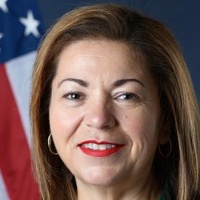
Linda Sánchez
Representative
CA
Linda Sánchez
Representative
CA
This resolution designates July 10th as Journeyman Lineworkers Recognition Day to honor the essential, high-risk work performed by these skilled professionals. It pays tribute to the lineworkers who provide critical service during emergencies and recognizes those who have made the ultimate sacrifice in the line of duty.
This resolution reaffirms the United States' 250-year commitment to a secular Constitution, religious pluralism, and the foundational principle of church-state separation.
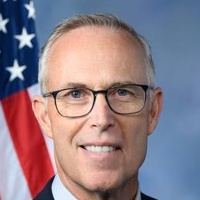
Jared Huffman
Representative
CA
Jared Huffman
Representative
CA
This resolution commemorates the 250th anniversary of the United States by reaffirming the nation’s foundational commitment to the separation of church and state. It highlights the historical and constitutional precedents that protect religious freedom, pluralism, and secular governance. Ultimately, the bill asserts that government power must remain neutral and free from the imposition of specific religious beliefs.
This bill supports the goals of Alzheimer's and Brain Awareness Month by encouraging education, advocacy for research and care, and support for those affected by Alzheimer's disease.
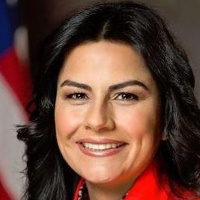
Nanette Barragán
Representative
CA
Nanette Barragán
Representative
CA
This resolution officially designates June as Alzheimer's and Brain Awareness Month. It highlights the widespread impact of Alzheimer's disease, including rising prevalence, significant caregiver strain, and health disparities. The measure encourages public education, advocacy for research and support services, and support for those affected by the disease.
This Act establishes the Next Generation Shipping Innovation Program to fund the research, development, and deployment of zero-emission and clean alternative fuel vessels and infrastructure, while prohibiting funds for automated vessel technologies.
Nanette Barragán
Representative
CA
Nanette Barragán
Representative
CA
The Next Generation Shipping Act establishes a federal program to fund research, development, and deployment of zero-emission and clean alternative fuel vessels and supporting infrastructure. This initiative prioritizes projects that advance maritime decarbonization, ensure strong labor standards, and benefit environmental justice communities. The Act also creates an Advisory Committee to guide the program, focusing on identifying technology needs and evaluating progress toward cleaner shipping. Notably, the legislation explicitly prohibits funding for any automated vessel technologies.