The Pre-Registration Of Voters Everywhere Act (PROVE Act) mandates that states allow 16- and 17-year-olds to pre-register to vote in federal elections and provides grants to encourage youth involvement in election activities.
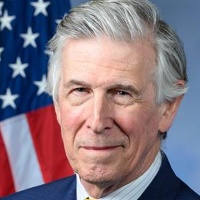
Donald Beyer
Representative
VA-8
The Pre-Registration Of Voters Everywhere (PROVE) Act mandates that states establish a process for 16- and 17-year-olds to pre-register to vote in federal elections. Once they turn 18 and meet other requirements, these individuals will be automatically registered. The bill also authorizes grants to states to encourage civic engagement and promote the use of this new pre-registration system among young people.
Federal Bill Mandates Pre-Registration for 16-Year-Olds, Authorizes $25 Million for Youth Civic Education
The newly proposed Pre-Registration Of Voters Everywhere Act (PROVE Act) is designed to tackle voter participation right at the starting line. Simply put, this bill mandates that every state must establish a process allowing residents who are 16 or 17 years old to pre-register to vote in federal elections. The key part is the automation: if you pre-register and meet all other eligibility requirements, the state must ensure you are automatically registered to vote the day you turn 18. This requirement kicks in for states 90 days after the Act is enacted.
This is a major administrative shift aimed at ensuring that when young people graduate high school and transition into adulthood, they don't have to navigate bureaucratic hurdles just to cast their first ballot. Think of it as setting up your first 401(k) contribution—it's automatic and happens before you even have to think about it.
The Automatic Voter Enrollment Upgrade
For anyone who remembers turning 18 and having to figure out how and where to register, this provision cuts out the confusion. Under Section 2, if a 16-year-old in any state signs up, they are effectively done with the paperwork until they hit legal voting age. States have the option to extend this pre-registration to even younger individuals, but the 16- and 17-year-old mandate is non-negotiable. This move is less about changing who can vote and more about streamlining the process for when they can vote, ensuring a seamless transition.
While this is a clear benefit for future voters, it puts the onus on state election offices to get the system up and running quickly. They have 90 days from the Act’s enactment to implement the process, which is a tight turnaround for creating new forms, updating databases, and training staff. For state governments already managing complex election systems, this is a new, immediate administrative requirement.
Putting Federal Money Behind Civic Education
Beyond the registration mandate, Section 3 of the PROVE Act authorizes a significant financial incentive: $25 million in federal grants, overseen by the Election Assistance Commission (EAC). These grants are specifically earmarked to help states increase the involvement of minors in election activities.
To get this money, a state must submit a plan detailing how they will achieve this goal. The bill specifies two required activities for these plans: promoting the new pre-registration process and, crucially, modifying secondary school curricula to promote civic engagement. This means federal dollars could flow directly into high schools to bolster civic education, connecting classroom learning about government directly to the real-world action of voting.
For parents and teachers, this funding could translate into more robust civics classes, potentially moving the subject from a forgotten elective to a core part of the high school experience. For state election officials, the grants offer a chance to fund outreach programs that actively target young people, rather than just waiting for them to show up. The money is authorized to remain available until it’s spent, giving states flexibility, but they must submit a report six months after the two-year grant period detailing their successes against pre-set performance measures. This ensures accountability for the $25 million investment, tying the funds directly to measurable increases in youth participation.