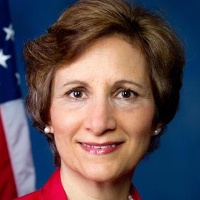
Legislative Activity
Track Suzanne's sponsored bills, co-sponsored legislation, and voting record
The Returning Home Act establishes a Department of Justice grant program, coordinated with HUD, to provide rental assistance and housing services to individuals reentering the community after incarceration.
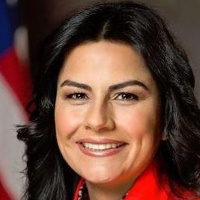
Nanette Barragán
Representative
CA
Nanette Barragán
Representative
CA
The Returning Home Act establishes a new grant program to provide rental assistance and housing support services for individuals reentering the community after incarceration. This initiative, run by the DOJ and HUD, offers up to 24 months of rental aid and crucial supportive services to help reduce homelessness among formerly incarcerated individuals. The law prioritizes applicants who implement a "housing first" approach and specifically excludes law enforcement entities from receiving grants.
This bill expresses support for the Iranian people protesting for a free and democratic Iran while condemning the Islamic Republic's violent repression.
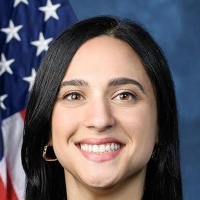
Yassamin Ansari
Representative
AZ
Yassamin Ansari
Representative
AZ
This resolution expresses strong support for the Iranian people protesting for freedom, democracy, and basic human rights against the repressive Islamic Republic. It condemns the regime's brutal crackdown on demonstrators and demands an end to violence and the release of political prisoners. Furthermore, it urges the U.S. government to work with allies to deter further lethal violence against protesters.
This resolution designates January 13th as Korean American Day to honor the contributions of Korean Americans and recognize the anniversary of the first Korean immigrants' arrival.
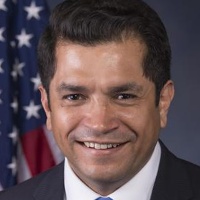
Jimmy Gomez
Representative
CA
Jimmy Gomez
Representative
CA
This resolution officially designates January 13th as Korean American Day. It expresses support for the day's ideals and encourages Americans to observe it. The resolution also honors the 123rd anniversary of the first Korean immigrants arriving in the United States.
This bill modifies deposits into the Crime Victims Fund by excluding certain False Claims Act recoveries and mandates an Inspector General audit of the Fund's sustainability.
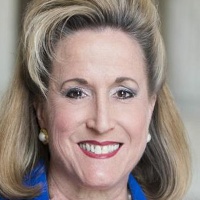
Ann Wagner
Representative
MO
Ann Wagner
Representative
MO
This bill amends the Victims of Crime Act of 1984 to temporarily exclude certain False Claims Act recoveries from being deposited into the Crime Victims Fund through fiscal year 2029. It also mandates a comprehensive audit by the Department of Justice Inspector General on the Fund's sustainability and the impact of recent legislative changes. The resulting report will provide recommendations for improving the Fund's effectiveness and oversight.
This resolution recognizes the 15th anniversary of the 2011 Tucson shooting, honoring the victims, survivors, and the ongoing advocacy of Gabby Giffords.
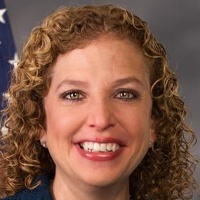
Debbie Wasserman Schultz
Representative
FL
Debbie Wasserman Schultz
Representative
FL
This resolution commemorates the 15th anniversary of the tragic January 8, 2011, Tucson shooting, honoring the six lives lost and the thirteen injured. It specifically commends the courage and ongoing advocacy of gun violence survivor and former Congresswoman Gabby Giffords. The resolution also recognizes the resilience of the community and reaffirms a commitment to ending political violence.
This bill expresses support for designating a week in September as "National Hispanic-Serving Institutions Week" to recognize their achievements and goals.
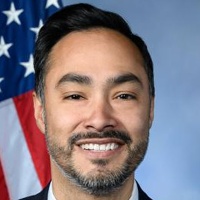
Joaquin Castro
Representative
TX
Joaquin Castro
Representative
TX
This bill officially designates the week of September 15 through September 21, 2024, as "National Hispanic-Serving Institutions Week." It recognizes the significant achievements and goals of these vital institutions across the nation. The resolution encourages public observance with appropriate activities to demonstrate support for Hispanic-Serving Institutions during Hispanic Heritage Month.
This Act establishes a comprehensive federal strategy to combat rising antisemitism through policy statements, enhanced security grants, improved hate crime reporting, and specific mandates for educational institutions and federal agencies, while prohibiting the weaponization of antisemitism for partisan goals.
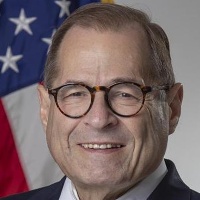
Jerrold Nadler
Representative
NY
Jerrold Nadler
Representative
NY
The Antisemitism Response and Prevention Act of 2025 aims to combat rising antisemitism through comprehensive federal action, emphasizing evidence-based strategies consistent with democratic values. The bill establishes new offices within the DOJ and FBI to coordinate counter-efforts and improve hate crime data collection. Furthermore, it mandates specific compliance and reporting requirements for colleges regarding civil rights and prohibits partisan conditions on nonprofit security grants.
The Schedules That Work Act establishes rights for employees to request flexible schedules, mandates advance notice and predictability pay for schedule changes in covered sectors, and grants employees rest time between shifts.

Rosa DeLauro
Representative
CT
Rosa DeLauro
Representative
CT
The Schedules That Work Act aims to provide workers with greater stability and predictability in their work hours. It grants employees the right to request flexible or stable schedules and requires employers to engage in a good-faith discussion about these requests. For covered sector employees (like retail and food service), the bill mandates 14 days' advance notice of schedules and establishes "predictability pay" for last-minute changes or split shifts. The Act also grants employees the right to 11 hours of rest between shifts, with premium pay required if this rest period is violated.
The Part-Time Worker Bill of Rights Act expands FMLA eligibility to part-time employees and establishes protections against scheduling discrimination, ensuring fair access to benefits and work hours.

Janice Schakowsky
Representative
IL
Janice Schakowsky
Representative
IL
The Part-Time Worker Bill of Rights Act aims to strengthen protections and expand benefits for part-time and temporary employees. The legislation eliminates restrictive hours-of-service requirements for FMLA leave and prohibits discrimination based on hours worked regarding pay, benefits, and promotion opportunities. Additionally, it mandates that employers offer available work hours to existing staff before hiring new employees or contractors.
The Public Health Air Quality Act of 2025 establishes comprehensive new monitoring, reporting, and data transparency requirements for industrial air toxics and ambient air quality across the nation.
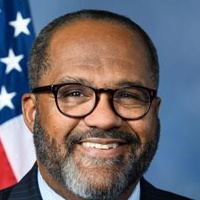
Troy Carter
Representative
LA
Troy Carter
Representative
LA
The Public Health Air Quality Act of 2025 aims to significantly enhance air quality monitoring and public data access across the United States. It establishes new federal requirements for industrial facilities to monitor and report hazardous air pollutant emissions, including real-time fenceline data. The Act also mandates the deployment of hundreds of new, advanced air quality monitors in vulnerable communities to better assess compliance with National Ambient Air Quality Standards. Ultimately, this legislation seeks to use improved, publicly accessible data to protect public health from industrial air pollution.
The Essential Caregivers Act of 2025 guarantees nursing home and long-term care residents the right to designate an essential caregiver who maintains access to them even during public health emergencies.
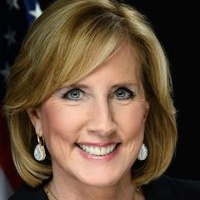
Claudia Tenney
Representative
NY
Claudia Tenney
Representative
NY
The Essential Caregivers Act of 2025 protects the rights of residents in long-term care facilities to designate an essential caregiver who can provide support and companionship. This legislation ensures that these caregivers maintain in-person access to residents even during public health emergencies when general visitation is restricted. By establishing clear protocols and an appeals process, the bill aims to prevent the harmful effects of isolation and ensure residents continue to receive vital care and advocacy.
This Act establishes a grant program to fund state, local, and Tribal governments for the complete destruction of firearms.
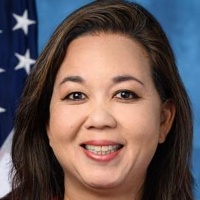
Jill Tokuda
Representative
HI
Jill Tokuda
Representative
HI
The Restoring Trust in Public Safety Act establishes a grant program to fund the complete destruction of firearms by state, local, and Tribal governments. Eligible entities can apply for competitive grants to cover costs associated with destruction equipment, services, and training. Grantees must certify that all firearms and components are fully destroyed and maintain detailed records of the process.
This bill, the ESTUARIES Act, amends the National Estuary Program to officially add the Mississippi Sound and extends its funding authorization through fiscal year 2031, while placing specific restrictions on using funds for the Mississippi Sound's inclusion in fiscal years 2025 and 2026.
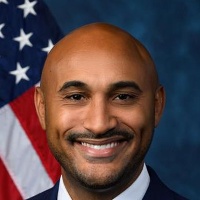
Shomari Figures
Representative
AL
Shomari Figures
Representative
AL
The ESTUARIES Act amends the Federal Water Pollution Control Act to officially add the Mississippi Sound to the National Estuary Program and extends the program's funding authorization through fiscal year 2031. However, the bill places specific restrictions on the EPA Administrator regarding the use of funds to implement this addition during fiscal years 2025 and 2026. This ensures that the expansion of the program is contingent upon specific funding levels in the near term.
This bill authorizes Congress to award Congressional Gold Medals to the 1980 U.S. Men's Olympic Ice Hockey team for their historic "Miracle on Ice" victory.
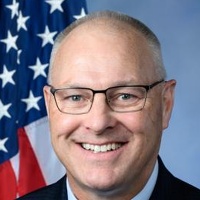
Pete Stauber
Representative
MN
Pete Stauber
Representative
MN
This bill, the Miracle on Ice Congressional Gold Medal Act, officially authorizes Congress to award Congressional Gold Medals to the 1980 U.S. Men's Olympic Ice Hockey Team for their historic "Miracle on Ice" victory. The medals will be struck by the Treasury and permanently displayed at specific national sports museums. The Act also permits the sale of duplicate bronze medals to cover production costs.
The TALENTS Act establishes and administers the Presidential Management Fellows Program to recruit and develop future public service leaders, while also creating Federal Executive Boards to improve interagency management in metropolitan areas.
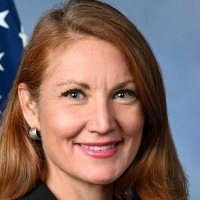
Melanie Stansbury
Representative
NM
Melanie Stansbury
Representative
NM
The TALENTS Act formally establishes and administers the Presidential Management Fellows (PMF) Program to recruit high-achieving graduates into federal leadership roles. The bill sets specific requirements for Fellow appointments, development, training, and eventual conversion to permanent competitive service positions. Additionally, it establishes and outlines the structure and responsibilities of Federal Executive Boards in major metropolitan areas to improve interagency management and coordination in the field.
This bill establishes a federal grant program for states to purchase priority foods directly from eligible small businesses for distribution through local food banks and pantries.
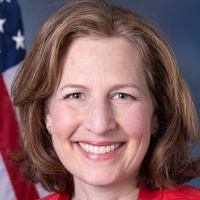
Kim Schrier
Representative
WA
Kim Schrier
Representative
WA
The EAT Healthy Foods from Local Farmers Act establishes a new federal grant program to help states purchase nutritious, culturally relevant foods directly from eligible small businesses. These foods will then be distributed to people in need through local food banks and pantries. The legislation aims to improve food access, strengthen local supply chains, and create economic opportunities for underserved farmers and producers. It also mandates the USDA to create an internal working group to align all departmental procurement with these goals.
This act nullifies a recent Executive Order regarding federal labor relations and ensures existing collective bargaining agreements remain in effect.
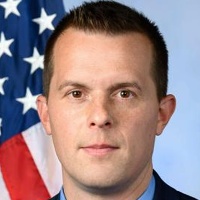
Jared Golden
Representative
ME
Jared Golden
Representative
ME
The Protect America's Workforce Act nullifies a specific Executive Order issued in March 2025 concerning exclusions from federal labor-management relations programs. This legislation ensures that any existing collective bargaining agreements between federal agencies and employee unions remain fully in effect until their stated expiration dates. The Act also prohibits the use of federal funds to implement the overturned Executive Order.
The Keeping All Students Safe Act strictly prohibits dangerous restraint and seclusion in federally funded schools while mandating comprehensive state reporting, staff training, and parental notification for any permissible physical restraint.
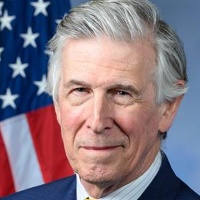
Donald Beyer
Representative
VA
Donald Beyer
Representative
VA
The Keeping All Students Safe Act strictly prohibits dangerous restraint and seclusion practices in federally funded schools, establishing national safety standards and requiring immediate parental notification after any restraint incident. It mandates that states create detailed plans, publicly report incident data broken down by student demographics, and utilize federal grants to fund training and prevention strategies. The bill creates a private right of action for families harmed by violations and ensures oversight across various federal school systems.
This Act establishes transparency requirements, accountability measures, and specific worker protections for individuals working through digital labor platforms.
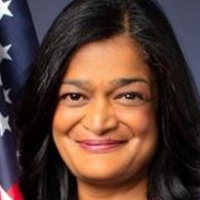
Pramila Jayapal
Representative
WA
Pramila Jayapal
Representative
WA
The Empowering App-Based Workers Act aims to increase transparency and accountability for digital labor platforms that use electronic monitoring and automated systems to manage workers. This bill mandates detailed disclosures regarding data collection, algorithmic decision-making for pay and assignments, and itemized receipts after each job. Furthermore, it establishes strong enforcement mechanisms, including a 25% cap on "take rates" for ride-hail services and prohibits certain pre-dispute arbitration agreements.
This resolution commends state and local governments for championing reproductive rights as human rights while condemning abortion restrictions and criminalization following the *Dobbs* decision.
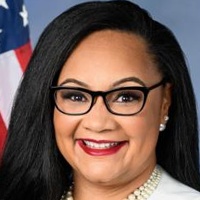
Nikema Williams
Representative
GA
Nikema Williams
Representative
GA
This concurrent resolution commends state and local governments for championing reproductive rights as human rights following the overturning of *Roe v. Wade*. It declares that denying abortion care leads to severe health risks and highlights the criminalization of pregnancy outcomes across the U.S. The resolution urges states to repeal abortion restrictions and affirm that reproductive rights are fundamental human rights.