Legislative Activity
Track Yassamin's sponsored bills, co-sponsored legislation, and voting record
The Schedules That Work Act establishes rights for employees to request flexible schedules, mandates advance notice and predictability pay for schedule changes in covered sectors, and grants employees rest time between shifts.

Rosa DeLauro
Representative
CT
Rosa DeLauro
Representative
CT
The Schedules That Work Act aims to provide workers with greater stability and predictability in their work hours. It grants employees the right to request flexible or stable schedules and requires employers to engage in a good-faith discussion about these requests. For covered sector employees (like retail and food service), the bill mandates 14 days' advance notice of schedules and establishes "predictability pay" for last-minute changes or split shifts. The Act also grants employees the right to 11 hours of rest between shifts, with premium pay required if this rest period is violated.
The Fair Competition for Small Business Act of 2025 empowers state attorneys general to sue on behalf of residents for damages resulting from antitrust violations under the Sherman Act.

Maxine Waters
Representative
CA
Maxine Waters
Representative
CA
The Fair Competition for Small Business Act of 2025 empowers state attorneys general to file lawsuits on behalf of their residents against companies violating federal antitrust laws. This legislation strengthens consumer protections by allowing states to seek damages for anti-competitive practices under the Sherman Act.
This bill mandates the EPA to create a public online mapping tool that identifies disproportionately burdened communities based on environmental, climate, health, economic, and social factors.

Luz Rivas
Representative
CA
Luz Rivas
Representative
CA
The Environmental Justice Screening Tool Act of 2025 mandates the Environmental Protection Agency (EPA) to create a public online mapping tool within one year to identify communities disproportionately burdened by environmental, climate, health, economic, and social factors. This tool will use specific thresholds across various categories to flag census tracts needing attention. Federal agencies must then adopt this tool to prioritize funding and resources for the identified communities.
This resolution reaffirms the U.S. commitment to leading global efforts to eliminate new pediatric HIV infections and expand treatment for children and women affected by the epidemic.
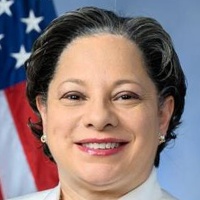
Jennifer McClellan
Representative
VA
Jennifer McClellan
Representative
VA
This resolution reaffirms the United States' commitment to ending pediatric HIV/AIDS globally by supporting critical prevention and treatment efforts. It emphasizes the need to close gaps in care, particularly for women and children in high-burden areas, and supports expanding access to testing, antiretroviral therapy, and new prevention methods. The bill specifically encourages continued U.S. leadership through initiatives like PEPFAR to achieve the goal of eliminating new pediatric HIV infections by 2030.
This act restricts senior government officials and their families from owning or trading specific investments, requiring divestment of existing holdings to restore public trust.
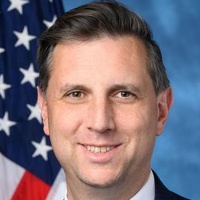
Seth Magaziner
Representative
RI
Seth Magaziner
Representative
RI
The Restore Trust in Government Act establishes strict new federal restrictions on senior government officials and their immediate families regarding the ownership and trading of specific financial investments. Covered individuals must divest existing investments that fall under the law's definition within a set timeframe, with limited exceptions. Violators face significant financial penalties, including a 10% fee on the investment value and disgorgement of any profits earned from prohibited transactions.
This act nullifies a recent Executive Order regarding federal labor relations and ensures existing collective bargaining agreements remain in effect.

Jared Golden
Representative
ME
Jared Golden
Representative
ME
The Protect America's Workforce Act nullifies a specific Executive Order issued in March 2025 concerning exclusions from federal labor-management relations programs. This legislation ensures that any existing collective bargaining agreements between federal agencies and employee unions remain fully in effect until their stated expiration dates. The Act also prohibits the use of federal funds to implement the overturned Executive Order.
This bill establishes a new "family purpose" nonimmigrant visa category allowing relatives of U.S. citizens and LPRs to visit temporarily for up to 90 days annually, subject to financial and insurance requirements.
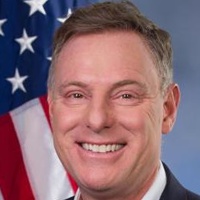
Scott Peters
Representative
CA
Scott Peters
Representative
CA
The Temporary Family Visitation Act establishes a new nonimmigrant visa category specifically for relatives of U.S. citizens and lawful permanent residents to visit the United States for family purposes. This visa limits stays to a maximum of 90 days per calendar year and requires financial support, medical insurance, and a sworn declaration of intent to depart. Individuals admitted under this category are prohibited from changing their status while in the U.S.
The Endometriosis CARE Act establishes a comprehensive program to advance research, improve awareness, analyze access barriers, and study disparities related to endometriosis.
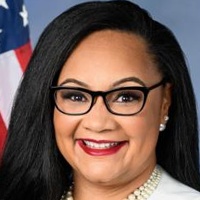
Nikema Williams
Representative
GA
Nikema Williams
Representative
GA
The Endometriosis CARE Act aims to improve the understanding and management of endometriosis through increased research funding and data collection at the NIH. The bill also mandates studies to identify barriers to treatment access and requires the development of public education campaigns and provider information resources. Furthermore, it calls for a comprehensive study on disparities in endometriosis prevalence, detection, and treatment outcomes.
This Act prohibits special Government employees from receiving large federal awards from their own agencies and mandates increased public disclosure of their positions and financial reports.
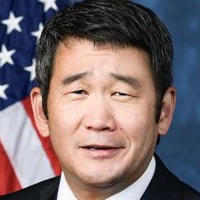
Dave Min
Representative
CA
Dave Min
Representative
CA
The Ban on Self-Interested Contracting Act (BASIC Act) establishes a new criminal prohibition preventing special Government employees from knowingly receiving large federal awards from their own agencies or related parties. The Act also mandates increased transparency by requiring the publication of certain position data and financial disclosure reports for these employees. Finally, it creates a public, searchable database detailing covered special Government employees.
This act increases the annual and aggregate loan limits for Federal Direct Unsubsidized Stafford Loans for graduate and professional students, effective July 1, 2026.
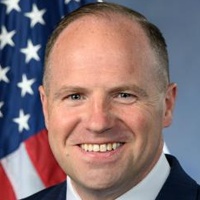
Timothy Kennedy
Representative
NY
Timothy Kennedy
Representative
NY
The Loan Equity for Advanced Professionals Act raises the federal student loan limits for graduate and professional students. Effective July 1, 2026, the annual borrowing limit for Federal Direct Unsubsidized Stafford Loans will increase to \$50,000, and the aggregate limit will rise to \$200,000. This aims to provide greater financial support for advanced degree candidates.
This resolution commends state and local governments for championing reproductive rights as human rights while condemning abortion restrictions and criminalization following the *Dobbs* decision.
Nikema Williams
Representative
GA
Nikema Williams
Representative
GA
This concurrent resolution commends state and local governments for championing reproductive rights as human rights following the overturning of *Roe v. Wade*. It declares that denying abortion care leads to severe health risks and highlights the criminalization of pregnancy outcomes across the U.S. The resolution urges states to repeal abortion restrictions and affirm that reproductive rights are fundamental human rights.
The Reuniting Families Act overhauls the immigration system to drastically reduce visa backlogs, recognize permanent partnerships, expand diversity visas, and expedite the reunification of refugee families.
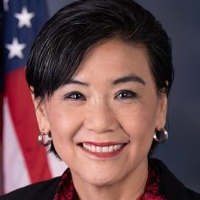
Judy Chu
Representative
CA
Judy Chu
Representative
CA
The Reuniting Families Act is comprehensive legislation designed to significantly reform U.S. immigration by reducing massive visa backlogs and prioritizing family reunification across various categories. It achieves this by recapturing unused visas, reclassifying certain family members as "immediate relatives," and creating new pathways for permanent partners and refugees to join their loved ones. Ultimately, the bill aims to keep families together, speed up legal immigration processes, and address past discrimination in the visa system.
This bill significantly increases civil penalties across various federal labor laws, strengthens enforcement for health plan compliance, establishes penalties for employer unfair labor practices, and treats certain recordkeeping failures as continuing violations.
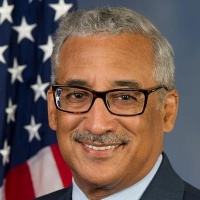
Robert Scott
Representative
VA
Robert Scott
Representative
VA
The Labor Enforcement to Securely Protect Workers (LETS Protect Workers) Act significantly increases civil penalties for violations across major federal labor laws, including child labor, wage and hour, and workplace safety standards. It strengthens enforcement mechanisms for mine safety violations and retaliation against miners, while also establishing new penalties for employer unfair labor practices under the National Labor Relations Act. Furthermore, the bill enhances enforcement for health plan parity and makes certain recordkeeping failures under OSHA and FLSA continuing violations.
This bill establishes new requirements, time limits, and Congressional approval for Department of Defense support to civilian law enforcement, prohibits dual service in the DoD and civilian law enforcement, and creates a private right of action for violations.
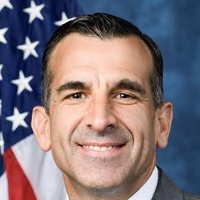
Sam Liccardo
Representative
CA
Sam Liccardo
Representative
CA
The Military in Law Enforcement Accountability Act establishes new requirements and strict time limits for the Department of Defense when providing support to civilian law enforcement agencies, requiring prior Congressional notification and justification. It also prohibits Department of Defense personnel from simultaneously serving in civilian law enforcement roles, with limited exceptions for reservists. Furthermore, the bill broadens the circumstances under which military and federal law enforcement can assist civil authorities and creates a private right of action for violations of the Act.
This bill establishes a CISA program to promote cybersecurity careers specifically to disadvantaged communities across the United States.

Shontel Brown
Representative
OH
Shontel Brown
Representative
OH
The Expanding Cybersecurity Workforce Act of 2025 establishes a new CISA program to actively promote cybersecurity careers to disadvantaged communities across the nation. This initiative specifically targets outreach to older individuals, minorities, people with disabilities, veterans, and those from nontraditional educational backgrounds. The goal is to diversify and strengthen the U.S. cyber workforce through tailored education and training assistance. The Act authorizes $20 million annually through fiscal year 2031 to support these efforts.
This resolution reaffirms U.S. partnership with Honduras to counter narcotics while strongly condemning the pardon of former Honduran President Juan Orlando Hernández following his conviction on drug trafficking charges.
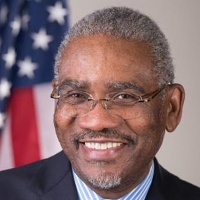
Gregory Meeks
Representative
NY
Gregory Meeks
Representative
NY
This resolution reaffirms the U.S. commitment to partnering with Honduras on security and counter-narcotics efforts while strongly condemning the pardon of former President Juan Orlando Hernández. It highlights Hernández's conviction for drug trafficking and argues that the pardon undermines U.S. anti-corruption efforts and justice for victims. The resolution also urges continued cooperation with Honduras on fair elections, security, and development, while rejecting unauthorized military force.
This bill mandates a report on the feasibility of using emerging technologies to enhance internet freedom in Iran.
Dave Min
Representative
CA
Dave Min
Representative
CA
The Feasibility Review of Emerging Equipment for Digital Open Media Act (FREEDOM Act) mandates the Secretary of State to report on internet freedom in Iran. This report must assess the feasibility of using emerging technologies, like direct-to-cell wireless, to expand internet access. It will also analyze the impact of current drone and jamming technologies on these efforts.
The No Robot Bosses Act regulates the use of automated decision systems in employment by requiring impact assessments, transparency notices, and a right to human review for covered individuals.
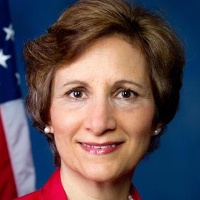
Suzanne Bonamici
Representative
OR
Suzanne Bonamici
Representative
OR
The No Robot Bosses Act regulates the use of automated decision systems (ADS) in employment-related decisions, requiring employers to conduct impact assessments and provide notice and human review rights to covered individuals. The bill establishes the Technology and Worker Protection Division within the Department of Labor to oversee enforcement, which includes creating a private right of action for violations. Furthermore, it prohibits employers from making final employment decisions solely based on an ADS output unless rigorous testing, validation, and human corroboration occur.
This bill repeals harmful provisions of a previous act, exempts unaccompanied children from various immigration fees, and restricts the use of their sponsor information for enforcement purposes.

Dan Goldman
Representative
NY
Dan Goldman
Representative
NY
The Upholding Protections for Unaccompanied Children Act of 2025 seeks to reverse harmful provisions affecting unaccompanied children. This bill eliminates various immigration-related fees for current and former unaccompanied children, including those for asylum and employment authorization. It also prohibits physically intrusive medical examinations and restricts the sharing of sponsor information with immigration enforcement agencies. Furthermore, the Act mandates the refunding of previously paid fees.
The Dignity for Detained Immigrants Act establishes comprehensive standards, rigorous oversight, and new custody procedures to ensure humane treatment and due process for all noncitizens detained by the Department of Homeland Security, while phasing out for-profit detention facilities.

Pramila Jayapal
Representative
WA
Pramila Jayapal
Representative
WA
The Dignity for Detained Immigrants Act aims to overhaul immigration detention by establishing mandatory, high standards based on ABA guidelines and increasing transparency through rigorous, unannounced inspections. The bill prohibits the use of private, for-profit detention facilities within three years and ends the mandatory detention of most noncitizens, prioritizing release or community-based alternatives. Furthermore, it establishes new due process rights, including timely custody hearings, a presumption of release, and prohibitions on detaining children or using solitary confinement.