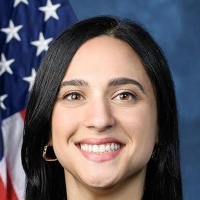
Legislative Activity
Track Yassamin's sponsored bills, co-sponsored legislation, and voting record
The Iran Human Rights, Internet Freedom, and Accountability Act of 2026 aims to support the Iranian people by expanding internet access, strengthening sanctions against regime officials, and establishing a Treasury initiative to combat Iranian government corruption and kleptocracy.

Michael Lawler
Representative
NY
Michael Lawler
Representative
NY
The Iran Human Rights, Internet Freedom, and Accountability Act of 2026 aims to support the Iranian people by expanding access to uncensored internet and communication technologies. The bill strengthens U.S. policy against regime repression by mandating investigations into human rights abuses and establishing a new Treasury initiative to combat corruption and money laundering by Iranian officials. Additionally, it enhances congressional oversight of sanctions and promotes independent media to counter state-sponsored censorship.
The RELIEF Act mandates that U.S. Customs and Border Protection automatically refund all tariffs collected under the International Emergency Economic Powers Act since January 1, 2025.
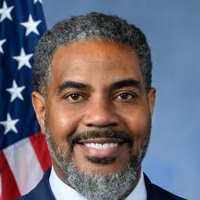
Steven Horsford
Representative
NV
Steven Horsford
Representative
NV
The RELIEF Act mandates that U.S. Customs and Border Protection refund all tariffs collected under the International Emergency Economic Powers Act since January 1, 2025. These refunds will be processed automatically for importers of record without the need for a formal application or protest. The agency is required to complete all disbursements within 90 days of the bill's enactment.
This bill establishes a tax credit for individuals caring for qualifying older relatives at home and creates a grant program for constructing multigenerational housing.
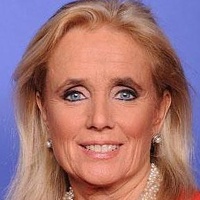
Debbie Dingell
Representative
MI
Debbie Dingell
Representative
MI
This bill establishes two key provisions to support family caregiving and housing. It creates a new, refundable tax credit for individuals who provide substantial at-home care for qualifying older relatives. Additionally, the legislation authorizes a grant program to fund the construction or renovation of housing specifically designed for multigenerational living arrangements.
This Act prohibits federal funding for an Executive Order related to glyphosate and removes legal immunities for manufacturers facing civil lawsuits over harm caused by glyphosate or elemental phosphorus exposure.
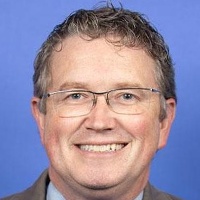
Thomas Massie
Representative
KY
Thomas Massie
Representative
KY
The No Immunity for Glyphosate Act prohibits federal funding for a specific Executive Order concerning phosphorus and glyphosate-based herbicides. This legislation establishes a right for individuals harmed by exposure to these substances to file civil lawsuits against manufacturers and sellers. Crucially, it removes certain legal immunities and defenses that companies might otherwise use to avoid liability for damages caused by these products.
This bill establishes a federal process for Extreme Risk Protection Orders, creates a grant program to incentivize states to adopt similar laws, and mandates the recognition of such orders across state lines.
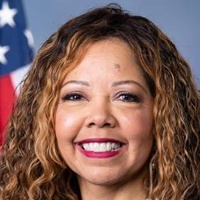
Lucy McBath
Representative
GA
Lucy McBath
Representative
GA
The Federal Extreme Risk Protection Order Act of 2026 establishes a federal process for issuing Extreme Risk Protection Orders (ERPOs) that temporarily prohibit individuals deemed a danger from possessing firearms. The bill allows family members or law enforcement to petition federal courts for temporary or long-term orders based on evidence of imminent risk of harm. Furthermore, it creates a federal grant program to incentivize and support states and tribes in implementing their own qualifying ERPO laws. Finally, it mandates that individuals subject to these federal orders surrender their firearms and ensures these orders are recognized across state lines.
This Act repeals major U.S. sanctions against Cuba, normalizing trade, travel, and telecommunications while establishing a framework for property claims and human rights negotiations.
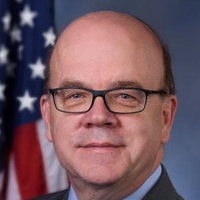
James McGovern
Representative
MA
James McGovern
Representative
MA
The United States-Cuba Trade Act of 2026 comprehensively repeals major U.S. sanctions laws against Cuba, effectively normalizing trade relations. This legislation removes restrictions on travel, exports, and financial remittances between the two nations. It also establishes a framework for the President to negotiate property claims and human rights protections with the Cuban government. The Act aims to promote democratic change in Cuba through the extension of nondiscriminatory trade treatment.
The Healthy Families Act establishes a national standard requiring most employers to provide employees with earned paid sick leave for personal or family health needs and related safety issues.
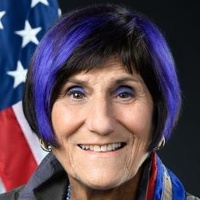
Rosa DeLauro
Representative
CT
Rosa DeLauro
Representative
CT
The Healthy Families Act establishes a national standard requiring most employers to provide employees with earned paid sick leave. Employees will accrue a minimum of one hour of paid time for every 30 hours worked, usable for personal or family health needs, domestic violence, sexual assault, or stalking. The Act prohibits employer retaliation for using this leave and ensures existing, more generous leave policies are not diminished.
This bill establishes a comprehensive Transgender Bill of Rights to codify and protect the rights of transgender and nonbinary people across healthcare, employment, legal recognition, and safety.
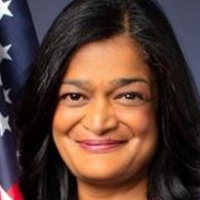
Pramila Jayapal
Representative
WA
Pramila Jayapal
Representative
WA
This resolution establishes a comprehensive Transgender Bill of Rights to codify and protect the rights of transgender and nonbinary people across the United States. It mandates federal action to ensure equal access to healthcare, employment, housing, legal recognition, and safety. The bill aims to eliminate discrimination and affirm bodily autonomy by amending existing federal civil rights laws.
This bill establishes a phased increase to the federal minimum wage, ultimately reaching $20.00 per hour with subsequent annual adjustments tied to inflation or GDP growth, while also phasing out subminimum wages for tipped employees, young new hires, and workers with disabilities.
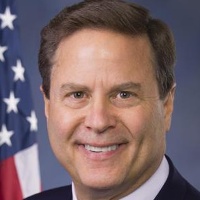
Donald Norcross
Representative
NJ
Donald Norcross
Representative
NJ
The "Give America a Raise Act" significantly increases the federal minimum wage, phasing it up to $20.00 per hour over three years, followed by annual adjustments tied to CPI or GDP growth. This legislation also phases out the subminimum wage for tipped employees and workers with disabilities, ultimately requiring both groups to receive the full federal minimum wage. Furthermore, it establishes new requirements for publishing wage increase notices and eliminates the special minimum wage category for young new hires after 90 days of employment.
This bill mandates that Federally-qualified health centers receive the full 340B discounted drug price upfront at the point of purchase, prohibiting post-purchase price adjustments.
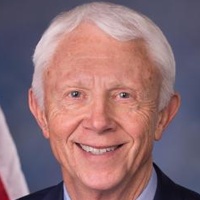
Jack Bergman
Representative
MI
Jack Bergman
Representative
MI
The Community Health Center Drug Pricing Protection Act ensures that Federally-qualified health centers (FQHCs) receive the full 340B discounted price for drugs at the point of purchase. This legislation prohibits manufacturers from requiring FQHCs to pay more than the established ceiling price upfront, regardless of any later rebates or reimbursements. The goal is to guarantee immediate, upfront savings for these vital health centers.
The Internet Reach and Access Now Act establishes a program to counter Iranian internet censorship by funding technologies like VPNs and eSIMs, safeguarding satellite access, and training civil society groups to ensure the free flow of information.
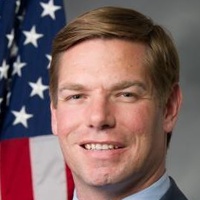
Eric Swalwell
Representative
CA
Eric Swalwell
Representative
CA
The Internet Reach and Access Now (IRAN) Act establishes a program to counter Iranian government censorship by providing technologies and support to help citizens access the open internet. It directs the Secretary of State to coordinate efforts, update strategies to ensure sanctions don't block access tools, and safeguard satellite coverage over Iran. The bill authorizes significant funding to support these initiatives, including cybersecurity training for Iranian civil society.
This bill mandates that mail-in ballot envelopes for federal elections starting in 2026 must include a U.S. Postal Service barcode for tracking.
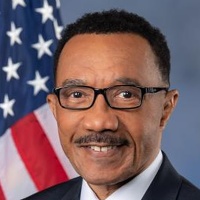
Kweisi Mfume
Representative
MD
Kweisi Mfume
Representative
MD
The Vote by Mail Tracking Act mandates that all mail-in ballot envelopes for federal elections starting in 2026 must include a U.S. Postal Service barcode for tracking. This ensures enhanced transparency and traceability for every mailed ballot. The bill also requires the Postal Service to provide necessary compliance information to election officials annually.
This Act establishes grant programs and provider reimbursement to expand access to HIV prevention medication (PrEP) and related services for underserved and uninsured individuals.
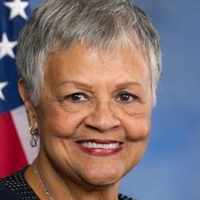
Bonnie Watson Coleman
Representative
NJ
Bonnie Watson Coleman
Representative
NJ
The PrEP Assistance Program Act establishes federal grant funding to support organizations providing HIV prevention medication (PrEP) and related services. It also creates a reimbursement program to ensure uninsured individuals can receive these essential HIV prevention items and services at no cost through a "PrEP Pass" card. The legislation aims to expand access to PrEP by supporting community programs and eliminating financial barriers for the uninsured.
This bill establishes mandatory minimum humanitarian standards for health screening, water, sanitation, food, and shelter for all individuals in ICE and CBP custody.
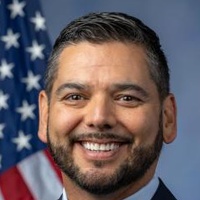
Raul Ruiz
Representative
CA
Raul Ruiz
Representative
CA
The Humanitarian Standards for Individuals in ICE and CBP Custody Act establishes minimum standards for health screening, nutrition, sanitation, and shelter for individuals detained by ICE and CBP. This bill mandates specific protocols for medical care, facility conditions, and personnel training to ensure humane treatment. It also requires regular inspections and public reporting on compliance and sexual abuse complaints.
This bill establishes new structures within the Financial Stability Oversight Council and mandates updated guidance for banking regulators and the Federal Insurance Office to assess and mitigate climate-related financial risks across the U.S. financial system.
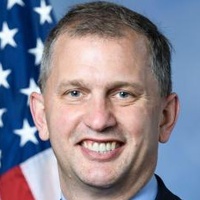
Sean Casten
Representative
IL
Sean Casten
Representative
IL
The Addressing Climate Financial Risk Act of 2026 establishes new structures within the Financial Stability Oversight Council to identify and mitigate climate-related risks to the U.S. financial system. It mandates updated supervisory guidance for large financial institutions and requires comprehensive annual reports assessing these risks. Furthermore, the bill directs the Federal Insurance Office to report on climate risks in the insurance sector and collect detailed homeowners insurance data.
This bill seeks to disapprove and nullify the Department of Veterans Affairs' final rule regarding "Reproductive Health Services."
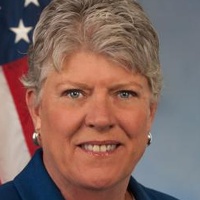
Julia Brownley
Representative
CA
Julia Brownley
Representative
CA
This resolution seeks to disapprove the Department of Veterans Affairs' final rule concerning "Reproductive Health Services" issued in September 2024. If enacted, this disapproval, made under the Congressional Review Act, would prevent the VA rule from taking legal effect.
This act prohibits the use of images of living elected officials or political figures on the National Parks and Federal Recreational Lands Pass.
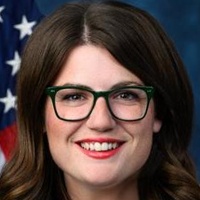
Sarah Elfreth
Representative
MD
Sarah Elfreth
Representative
MD
This bill, the Prohibit Partisan Park Passes Act, amends existing law to restrict the imagery allowed on the National Parks and Federal Recreational Lands Pass. Specifically, it prohibits the use of images of any living current or former elected official or living political figure on the pass.
This bill mandates the removal of U.S. Armed Forces from Venezuela unless explicitly authorized by Congress.
James McGovern
Representative
MA
James McGovern
Representative
MA
This bill mandates the President to withdraw all United States Armed Forces from Venezuela. This action is required unless Congress has formally declared war or passed specific legislation authorizing the use of military force in that country.
This bill abolishes immigration detention and electronic monitoring while redirecting funds to establish a grant program for community-based wrap-around social services.
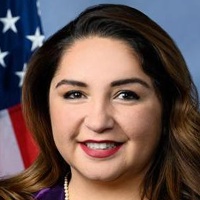
Delia Ramirez
Representative
IL
Delia Ramirez
Representative
IL
This bill aims to end immigration detention and electronic monitoring by abolishing detention authority and terminating related contracts within a set timeframe. It mandates the release of all currently detained individuals and prohibits future use of federal funds for monitoring programs. Finally, the legislation redirects funding toward a new grant program providing voluntary, comprehensive wrap-around social services through community-based organizations.
This bill establishes programs to provide technical assistance and competitive grants to faith-based organizations, higher education institutions, and local governments to increase the supply of affordable rental housing on their property.
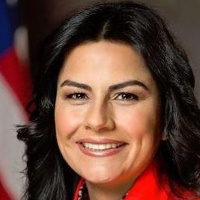
Nanette Barragán
Representative
CA
Nanette Barragán
Representative
CA
The Yes in God's Backyard Act establishes a new federal program to increase the supply of affordable rental housing on property owned by faith-based organizations and institutions of higher education. This initiative will provide technical assistance and competitive challenge grants to local governments and other entities to remove regulatory barriers to development. The goal is to facilitate the creation or preservation of housing targeted toward low-income, homeless, and special needs populations.