Legislative Activity
Track Yassamin's sponsored bills, co-sponsored legislation, and voting record
This bill establishes federal licensing for ammunition dealers and mandates in-person sales with ID verification, while also requiring recordkeeping for large purchases.
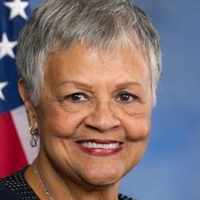
Bonnie Watson Coleman
Representative
NJ
Bonnie Watson Coleman
Representative
NJ
The Stop Online Ammunition Sales Act of 2026 establishes new federal requirements for the sale and transfer of ammunition. This includes mandating federal licensing for all ammunition dealers and requiring all sales to be conducted face-to-face with ID verification. The bill also institutes recordkeeping for large-quantity sales and restricts interstate ammunition shipments that violate local laws.
This bill establishes programs to provide technical assistance and competitive grants to faith-based organizations, higher education institutions, and local governments to increase the supply of affordable rental housing on their property.
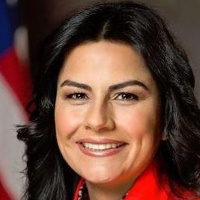
Nanette Barragán
Representative
CA
Nanette Barragán
Representative
CA
The Yes in God's Backyard Act establishes a new federal program to increase the supply of affordable rental housing on property owned by faith-based organizations and institutions of higher education. This initiative will provide technical assistance and competitive challenge grants to local governments and other entities to remove regulatory barriers to development. The goal is to facilitate the creation or preservation of housing targeted toward low-income, homeless, and special needs populations.
This bill disallows certain tax deductions and imposes an excise tax on single-family home sales by large investors, while prohibiting federal mortgage assistance to these entities, with collected funds supporting low-income housing.
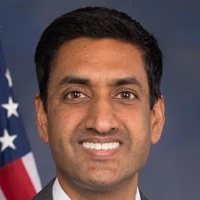
Ro Khanna
Representative
CA
Ro Khanna
Representative
CA
The Stop Wall Street Landlords Act of 2026 aims to curb large corporate ownership of single-family homes. It disallows key tax deductions, such as mortgage interest and depreciation, for investors holding over $100 million in assets who own these properties. The bill also imposes a full excise tax on the sale of these homes by such investors. Finally, it prohibits Fannie Mae, Freddie Mac, and Ginnie Mae from financing mortgages held by these specified large investors.
This resolution honors the 97th anniversary of Dr. Martin Luther King, Jr.’s birth by reaffirming his legacy of equality, condemning hate, and promoting tolerance and civil discourse.
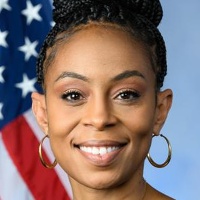
Shontel Brown
Representative
OH
Shontel Brown
Representative
OH
This resolution honors the 97th anniversary of the birth of Reverend Dr. Martin Luther King, Jr. by celebrating his legacy of equality, diversity, and civil discourse. It reaffirms a national commitment to his values of justice and tolerance while explicitly condemning all forms of hate, discrimination, and prejudice.
This Act mandates that newly elected House members from special elections must be sworn in within five legislative days of their election certification.
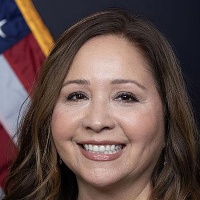
Adelita Grijalva
Representative
AZ
Adelita Grijalva
Representative
AZ
The No Delay in Representation Act ensures that individuals elected to the House of Representatives through special elections are seated promptly. It mandates that these new members must be given the opportunity to take the oath of office within five legislative days of their election certification. This act aims to prevent delays in representation for newly elected members.
This bill impeaches Secretary of Homeland Security Kristi Lynn Arnold Noem for high crimes and misdemeanors, citing willful refusal to comply with oversight law, violating the Impoundment Control Act, directing unlawful ICE misconduct, and misusing federal funds for personal gain.
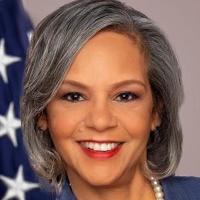
Robin Kelly
Representative
IL
Robin Kelly
Representative
IL
This resolution initiates impeachment proceedings against Secretary of Homeland Security Kristi Lynn Arnold Noem for high crimes and misdemeanors. The articles of impeachment charge her with willfully refusing to comply with Congressional oversight laws and violating the Impoundment Control Act by improperly withholding funds. Further articles allege she directed widespread misconduct by ICE agents that violated federal law and constitutional rights, and misused taxpayer funds for personal gain through improper contracting.
This resolution demands the President and Secretary of State provide the House with documents detailing the Administration's stance, policies, and related communications concerning U.S. interest in Greenland.
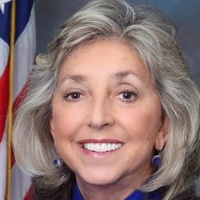
Dina Titus
Representative
NV
Dina Titus
Representative
NV
This resolution is an official inquiry demanding the President and Secretary of State provide the House of Representatives with specific documents regarding the Administration's stance on Greenland. It specifically seeks records concerning U.S. ownership plans, policy toward Danish sovereignty, and security assessments related to the U.S.-Denmark defense agreement. The bill also requires documentation of all related communications between U.S. officials and private citizens, Danish/Greenlandic authorities, or NATO allies.
This bill establishes a special base pay system that increases the salaries of Bureau of Prisons correctional officers and certain hourly employees by 35 percent for a five-year period, subject to review.

Dan Goldman
Representative
NY
Dan Goldman
Representative
NY
The Federal Correctional Officer Paycheck Protection Act of 2026 establishes a special pay system to increase the base pay for Bureau of Prisons (BOP) correctional officers by 35 percent. This legislation also provides a similar 35 percent wage increase for certain hourly BOP employees involved in inmate custody. The new pay authority is set to expire after five years, unless the Department of Justice Inspector General reports measurable progress in reducing the use of non-custodial staff for officer duties and excessive overtime.
This bill modifies deposits into the Crime Victims Fund by excluding certain False Claims Act recoveries and mandates an Inspector General audit of the Fund's sustainability.
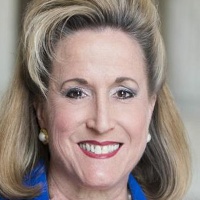
Ann Wagner
Representative
MO
Ann Wagner
Representative
MO
This bill amends the Victims of Crime Act of 1984 to temporarily exclude certain False Claims Act recoveries from being deposited into the Crime Victims Fund through fiscal year 2029. It also mandates a comprehensive audit by the Department of Justice Inspector General on the Fund's sustainability and the impact of recent legislative changes. The resulting report will provide recommendations for improving the Fund's effectiveness and oversight.
This act prohibits the use of federal funds and official action for any invasion of NATO member territory.
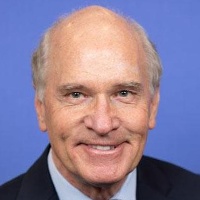
William Keating
Representative
MA
William Keating
Representative
MA
The **No Funds for NATO Invasion Act** prohibits the use of any federal funds for an invasion of any territory belonging to a member nation of the North Atlantic Treaty Organization (NATO). Furthermore, the bill bars U.S. officials from taking any action to execute such an invasion.
This act prohibits the use of federal funds to support any U.S. occupation, control, or administration of Venezuela, with specific exceptions for diplomatic property acquisition and existing humanitarian aid.
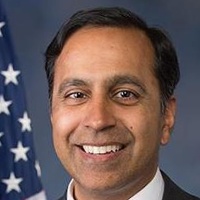
Raja Krishnamoorthi
Representative
IL
Raja Krishnamoorthi
Representative
IL
The No Occupation of Venezuela Act of 2026 (NOVA Act) strictly prohibits the use of U.S. Federal funds to support any form of U.S. military occupation, control, or administration over Venezuela. This ban includes funding for military deployments intended to assert sovereignty or control over Venezuelan territory or resources. The Act carves out narrow exceptions allowing for the acquisition or use of property for U.S. diplomatic or consular establishments, provided the Venezuelan government approves. Importantly, this legislation does not affect existing laws governing the provision of emergency humanitarian aid.
This act mandates the EPA to list all PFAS chemicals with fully fluorinated carbon atoms as hazardous air pollutants and identify their emission source categories under the Clean Air Act.
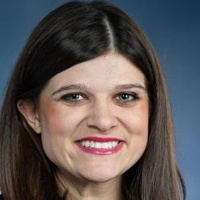
Haley Stevens
Representative
MI
Haley Stevens
Representative
MI
The PROTECT Act of 2026 mandates the Environmental Protection Agency (EPA) to list all perfluoroalkyl and polyfluoroalkyl substances (PFAS) with at least one fully fluorinated carbon atom as hazardous air pollutants. This action requires the EPA to identify and list the specific source categories that emit these newly designated hazardous substances under the Clean Air Act.
This resolution recognizes the 15th anniversary of the 2011 Tucson shooting, honoring the victims, survivors, and the ongoing advocacy of Gabby Giffords.
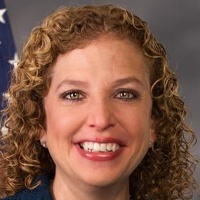
Debbie Wasserman Schultz
Representative
FL
Debbie Wasserman Schultz
Representative
FL
This resolution commemorates the 15th anniversary of the tragic January 8, 2011, Tucson shooting, honoring the six lives lost and the thirteen injured. It specifically commends the courage and ongoing advocacy of gun violence survivor and former Congresswoman Gabby Giffords. The resolution also recognizes the resilience of the community and reaffirms a commitment to ending political violence.
This bill temporarily funds the FAA using the Aviation Insurance Revolving Fund during a lapse in appropriations and extends non-premium war risk insurance provisions.
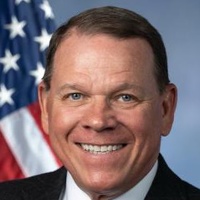
Sam Graves
Representative
MO
Sam Graves
Representative
MO
The Aviation Funding Solvency Act establishes a temporary mechanism to ensure the Federal Aviation Administration (FAA) can continue essential operations if Congress fails to pass regular appropriations. This allows the FAA Administrator to draw upon the Aviation Insurance Revolving Fund to maintain operations at the previous year's funding rate. The temporary funding ceases once a new appropriation or continuing resolution is enacted. The bill also makes a technical amendment regarding non-premium war risk insurance.
This resolution condemns antisemitism amplified by AI, urges robust platform safeguards, and encourages stakeholder collaboration to counter this threat while upholding constitutional rights.
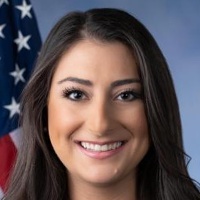
Sara Jacobs
Representative
CA
Sara Jacobs
Representative
CA
This resolution condemns antisemitism in all its forms, particularly its proliferation on artificial intelligence (AI) platforms. It urges technology companies to implement robust, transparent safeguards to prevent AI systems from generating or amplifying antisemitic content. The bill encourages the development of standards, research, and public awareness initiatives to combat this threat while ensuring all actions remain consistent with constitutional protections.
This Act establishes a federal civil cause of action for victims of domestic violence involving reproductive coercion.
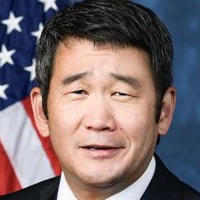
Dave Min
Representative
CA
Dave Min
Representative
CA
The Reproductive Coercion Prevention and Protection Act of 2025 addresses reproductive coercion as a form of intimate partner violence that undermines reproductive autonomy. This bill amends federal law to define reproductive coercion, which includes sabotaging contraception or forcing pregnancy decisions. Crucially, it establishes a new federal civil cause of action allowing victims to sue perpetrators when the abuse involves interstate or foreign commerce. This new right ensures victims can seek damages and relief in federal court for this specific type of domestic violence.
The GRACE Act establishes a minimum annual refugee admission ceiling of 125,000, allows for higher numbers based on presidential determination and private sponsorship, and mandates detailed quarterly reporting on admissions and processing.
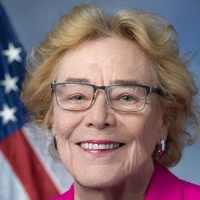
Zoe Lofgren
Representative
CA
Zoe Lofgren
Representative
CA
The GRACE Act establishes the Guaranteed Refugee Admission Ceiling Enhancement Act to reform how the annual number of refugee admissions is set, requiring a minimum of 125,000 plus an additional amount for privately sponsored refugees. The bill mandates detailed quarterly public reporting on admission progress and processing statistics, including security checks and circuit ride operations. It also requires the President to submit plans if admissions fall significantly below the annual goal.
This bill mandates the removal of U.S. Armed Forces from hostilities within or against Venezuela unless explicitly authorized by Congress.
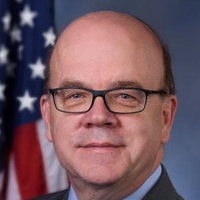
James McGovern
Representative
MA
James McGovern
Representative
MA
This bill mandates the President to immediately remove all United States Armed Forces from hostilities within or against Venezuela. This action is required unless Congress has specifically authorized the use of military force. The legislation aims to ensure that military engagement in Venezuela requires explicit Congressional approval.
This bill directs the President to withdraw U.S. Armed Forces from hostilities with presidentially designated terrorist organizations in the Western Hemisphere unless Congress authorizes the action.
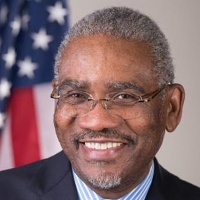
Gregory Meeks
Representative
NY
Gregory Meeks
Representative
NY
This bill directs the President to withdraw U.S. Armed Forces from hostilities involving designated terrorist organizations in the Western Hemisphere. Such withdrawal must occur unless Congress has explicitly authorized the military action through a declaration of war or a specific use of force authorization. The directive is issued under the authority of the War Powers Resolution.
This bill mandates the EPA to create a public online mapping tool that identifies disproportionately burdened communities based on environmental, climate, health, economic, and social factors.
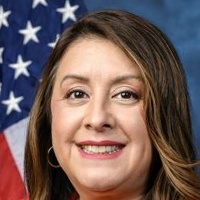
Luz Rivas
Representative
CA
Luz Rivas
Representative
CA
The Environmental Justice Screening Tool Act of 2025 mandates the Environmental Protection Agency (EPA) to create a public online mapping tool within one year to identify communities disproportionately burdened by environmental, climate, health, economic, and social factors. This tool will use specific thresholds across various categories to flag census tracts needing attention. Federal agencies must then adopt this tool to prioritize funding and resources for the identified communities.