Legislation
This Act updates the Conservation Reserve Enhancement Program (CREP) by allowing participants flexibility in payment scheduling, establishing new payment formulas for water rights retirement and dryland farming agreements, and exempting these specific rental payments from general program payment limits.

Roger Marshall
Senator
KS
Roger Marshall
Senator
KS
The Conservation Reserve Enhancement Program Improvement Act of 2025 updates the rules for the Conservation Reserve Enhancement Program (CREP) to offer greater flexibility in annual payment calculations. This bill establishes new payment formulas for agreements involving the retirement of water rights or the use of dryland farming practices. Furthermore, it exempts rental payments received under these specific CREP agreements from standard federal payment limitations.
This bill revises physician self-referral exemptions and lifts restrictions on the expansion of physician-owned hospitals located in rural areas.

James Lankford
Senator
OK
James Lankford
Senator
OK
The Physician Led and Rural Access to Quality Care Act revises federal physician self-referral rules to create specific exemptions for certain physician-owned hospitals located in rural areas. This legislation allows these designated "covered rural hospitals" to be exempt from general referral prohibitions. Furthermore, the bill eliminates the existing ban that prevented these physician-owned hospitals from expanding their operations.
The PROTECT Act of 2025 mandates that the Committee on Foreign Investment in the United States (CFIUS) review and requires mandatory reporting for certain U.S. real estate investments by "foreign countries of concern" that involve establishing new facilities.
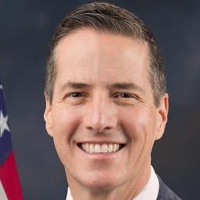
Bernie Moreno
Senator
OH
Bernie Moreno
Senator
OH
The PROTECT Act of 2025 mandates that the Committee on Foreign Investment in the United States (CFIUS) rigorously review certain greenfield and brownfield real estate investments made by foreign countries of concern. This legislation broadens the definition of a "covered transaction" to include specific U.S. property deals involving the establishment of new facilities by these foreign entities. Crucially, the bill requires mandatory filing and reporting to CFIUS for any such transaction where a country of concern holds even a 5% stake or influence over the resulting business.
This Act establishes the National Biotechnology Initiative to coordinate federal efforts across multiple agencies to advance U.S. national security, economic productivity, and global competitiveness in biotechnology through strategy, research, workforce development, and regulatory streamlining.

Todd Young
Senator
IN
Todd Young
Senator
IN
The National Biotechnology Initiative Act of 2025 establishes a comprehensive, whole-of-government effort to advance U.S. biotechnology for national security and economic competitiveness. This law mandates the creation of a National Biotechnology Coordination Office and an Interagency Committee to oversee a national strategy focused on research, data management, workforce development, and regulatory streamlining. Participating agencies must align their efforts to accelerate commercialization, manage biosecurity risks, and enhance public understanding of biotechnology.
This Act establishes initiatives to coordinate and expand USDA organic research, update the Organic Research and Extension Initiative, fund research on the transition to organic farming, and mandate a comprehensive economic study of organic production and markets.

John Fetterman
Senator
PA
John Fetterman
Senator
PA
The Organic Science and Research Investment Act of 2025 aims to significantly boost federal support for organic agriculture. It establishes a new initiative to coordinate and strategically plan USDA organic research efforts across multiple agencies. The bill also increases funding and updates focus areas for the existing Organic Research and Extension Initiative, including climate change mitigation and traditional ecological knowledge. Finally, it mandates new research programs focused on the transition to organic farming and comprehensive economic studies of the organic sector.
This bill establishes a comprehensive Small Business Taxpayer Bill of Rights by increasing damages for IRS misconduct, limiting IRS appeal tactics, and enhancing taxpayer rights regarding costs, liens, and dispute resolution.

John Cornyn
Senator
TX
John Cornyn
Senator
TX
The Small Business Taxpayer Bill of Rights Act of 2025 aims to strengthen protections and rights for small businesses dealing with the IRS. This legislation modifies standards for awarding legal costs, significantly increases civil damages for reckless IRS misconduct, and establishes new procedural safeguards during appeals. Furthermore, it enhances taxpayer access to alternative dispute resolution and limits the IRS's ability to place liens on principal residences.
The REPAIR Act mandates that automakers provide independent mechanics and consumers with fair access to vehicle data, tools, and parts to ensure competitive and accessible auto repair options.
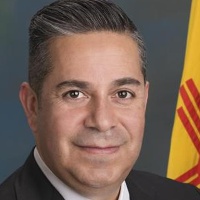
Ben Luján
Senator
NM
Ben Luján
Senator
NM
The REPAIR Act aims to ensure consumers and independent mechanics have fair access to the necessary vehicle data, tools, and parts required to service modern vehicles. This legislation prevents manufacturers from creating technological or contractual barriers that restrict competition in the automotive repair market. The Federal Trade Commission (FTC) is tasked with enforcing these new standards and creating rules to protect consumer data rights. Ultimately, the bill promotes consumer choice and fosters a competitive environment for vehicle maintenance and repair services.
The NO FAKES Act of 2025 establishes exclusive rights for individuals and their heirs to control the licensing and use of their digital voice and visual likeness replicas.

Christopher Coons
Senator
DE
Christopher Coons
Senator
DE
The NO FAKES Act of 2025 establishes exclusive property rights for individuals over the creation and use of their digital voice and visual likenesses (Digital Replicas). This federal law grants the right holder the authority to license or control the use of these replicas, both during the individual's life and for a set period after death. The Act outlines specific licensing rules, liability for unauthorized use in commerce, and safe harbor provisions for online services that comply with takedown notices based on digital fingerprinting.
This Act mandates that states receiving federal Medicaid funds must publicly report detailed information on all payments made to abortion providers, including the number and specifics of abortions performed.
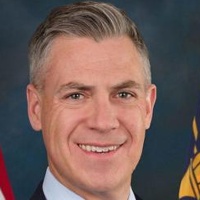
Jim Banks
Senator
IN
Jim Banks
Senator
IN
The Abortion Funding Awareness Act of 2025 requires states to report detailed information annually regarding any federal Medicaid payments made to abortion providers. These state reports must specify payment amounts, the number of abortions performed by the provider, and the gestational age and method used for each procedure. The Secretary of HHS will then compile these state submissions into a summary report for Congress and the public.
This Act exempts articles imported from Israel and Ukraine from reciprocal tariffs imposed by a specific Executive Order.

Catherine Cortez Masto
Senator
NV
Catherine Cortez Masto
Senator
NV
The Supporting American Allies Act exempts goods imported from Israel and Ukraine from specific reciprocal tariffs previously imposed by Executive Order. This legislation ensures that trade with these key allies is not subject to duties intended to address broader U.S. trade deficits.
The Foreign Pollution Fee Act of 2025 establishes a variable fee on imports based on the pollution intensity of their foreign production compared to U.S. standards, while also creating a framework for international agreements to reduce trade-related pollution.

Bill Cassidy
Senator
LA
Bill Cassidy
Senator
LA
The Foreign Pollution Fee Act of 2025 establishes a new fee on imported goods based on the pollution intensity of their overseas production compared to U.S. standards, aiming to level the playing field for American manufacturers. This fee scales significantly based on how much dirtier foreign production is, with potential multipliers applied to goods from nonmarket economies. The bill also authorizes the U.S. Trade Representative to negotiate international agreements to harmonize pollution measurement and reduce fees for compliant trade partners. Finally, it mandates annual reporting by the Treasury Secretary to Congress on the law's economic and competitive impacts.
The SAFE Supply Chains Act restricts the Department of Defense from purchasing or using covered technology products unless they are sourced directly from the original manufacturer or an authorized reseller, with limited exceptions requiring congressional notification.
John Cornyn
Senator
TX
John Cornyn
Senator
TX
The SAFE Supply Chains Act mandates that the Department of Defense (DoD) must purchase covered technology products only from the original equipment manufacturer (OEM) or an authorized reseller one year after enactment. This restriction aims to secure the DoD's technology supply chain against untrusted sources. The Secretary of Defense may grant exceptions only for critical mission functions or specific research, provided Congress is notified and the product is not sourced from a foreign adversary. The DoD must also report annually on waiver usage and develop guidelines to help new vendors become authorized resellers.
The Resilient Coasts and Estuaries Act of 2025 updates federal coastal programs to prioritize land protection, restoration, and climate change adaptation, while significantly expanding and enhancing the National Estuarine Research Reserve System.
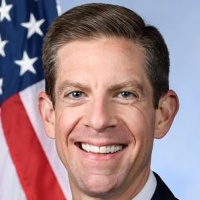
Mike Levin
Representative
CA
Mike Levin
Representative
CA
The Resilient Coasts and Estuaries Act of 2025 overhauls federal coastal protection by establishing a new Coastal and Estuarine Resilience and Restoration Program focused on protecting high-value lands and restoring damaged areas, with priority given to vulnerable low-income communities. The bill also significantly expands the National Estuarine Research Reserve System, mandating the designation of at least five new sites and bolstering research efforts focused on climate change adaptation. Furthermore, it establishes new requirements for non-governmental partners and updates funding authorizations through fiscal year 2029.
This Act reauthorizes and modifies federal programs to enhance the prevention of human trafficking through updated educational grants and establishes a new employment and education program for survivors, while extending critical funding authorizations.
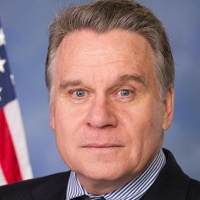
Christopher Smith
Representative
NJ
Christopher Smith
Representative
NJ
The Frederick Douglass Trafficking Victims Prevention and Protection Reauthorization Act of 2025 updates federal efforts to combat human trafficking by enhancing grant programs for schools to educate students and staff on prevention. It establishes a new program to provide comprehensive employment, education, and life skills support for survivors aged 18 and older. Furthermore, the bill extends and increases funding authorizations through Fiscal Year 2029 for critical anti-trafficking operations and housing assistance grants.
The National Biotechnology Initiative Act of 2025 establishes a coordinated federal effort, led by a new Coordination Office, to advance U.S. national security, economic productivity, and competitiveness through biotechnology research, development, and commercialization.
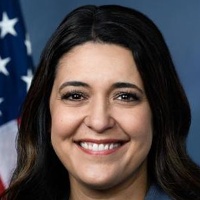
Stephanie Bice
Representative
OK
Stephanie Bice
Representative
OK
The National Biotechnology Initiative Act of 2025 establishes a comprehensive, whole-of-government effort to advance U.S. leadership in biotechnology for national security and economic competitiveness. This Act creates the National Biotechnology Initiative, overseen by a new National Biotechnology Coordination Office within the Executive Office of the President. Participating federal agencies are mandated to coordinate strategies across research, data management, biomanufacturing, regulatory streamlining, and workforce development. The law also establishes mechanisms for interagency coordination, public reporting, and the development of a national biotechnology strategy.
The WISE Act aims to remove barriers for immigrant survivors of crime and abuse seeking legal status, while significantly reforming and expanding protections within the U-visa program and other victim-based immigration relief.

Pramila Jayapal
Representative
WA
Pramila Jayapal
Representative
WA
The Working for Immigrant Safety and Empowerment (WISE) Act aims to strengthen protections and streamline legal pathways for non-citizen survivors of crime and abuse, including domestic violence and trafficking. The bill reforms the U-visa program by eliminating its annual cap and speeding up work authorization for victims. It also establishes new protections against detention and deportation for victims with pending humanitarian applications and expands access to public benefits for certain lawfully present noncitizens.
This Act mandates that the government must obtain a warrant to access both the content and metadata records held by electronic communication and remote computing service providers.
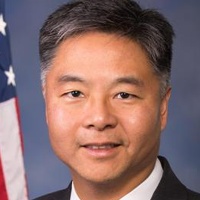
Ted Lieu
Representative
CA
Ted Lieu
Representative
CA
The Warrant for Metadata Act mandates that the government must obtain a warrant to access both the content and associated metadata records held by electronic communication and remote computing service providers. This legislation eliminates previous exceptions that allowed access to older stored communications without a warrant. Essentially, it standardizes the requirement for a judicially approved warrant for nearly all government requests for customer data.
This bill mandates that lawsuits seeking nationwide injunctions against federal laws or rules must be filed in a federal district court with at least two active judges.
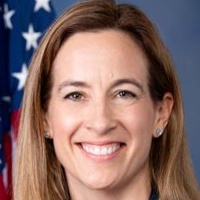
Mikie Sherrill
Representative
NJ
Mikie Sherrill
Representative
NJ
The End Judge Shopping Act aims to prevent litigants from strategically filing lawsuits seeking nationwide injunctions against federal laws or rules in courts with fewer judges. This legislation mandates that such broad-impact cases must be filed in a division of a judicial district that has at least two active judges. The goal is to ensure these significant legal challenges are heard in courts with broader judicial capacity.
This bill establishes grants to improve infant and toddler childcare access for student parents, amends the CCDBG program to expand eligibility for student parents, and mandates clearer communication about dependent care allowances in federal student aid applications.
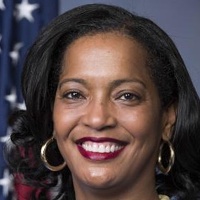
Jahana Hayes
Representative
CT
Jahana Hayes
Representative
CT
The Preparing and Resourcing Our Student Parents and Early Childhood Teachers Act establishes significant grant programs to improve access to high-quality infant and toddler care, prioritizing student parents at community colleges and minority-serving institutions. It also amends the Child Care and Development Block Grant to expand eligibility for college students seeking assistance and incentivizes states to increase reimbursement rates for infant and toddler care. Finally, the bill mandates that schools proactively inform student parents about the dependent care allowance available through federal financial aid applications.
This act requires the Postal Service to submit major service changes to the Postal Regulatory Commission for review and an advisory opinion before implementation, subject to Congressional oversight.
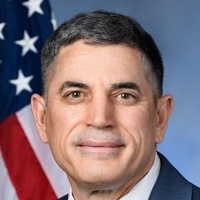
Andrew Clyde
Representative
GA
Andrew Clyde
Representative
GA
The Postal Service Transparency and Review Act requires the U.S. Postal Service to submit any proposed significant changes to mail service to the Postal Regulatory Commission (PRC) for review at least 180 days in advance. The USPS cannot spend money or implement the change until the PRC issues an advisory opinion. Furthermore, Congress retains the authority to disapprove of the proposed change through a joint resolution following the PRC's review.