This bill establishes a preferential trade program, capacity building initiatives, and a framework for future free trade agreements to promote economic resilience in the Pacific Islands through 2036.
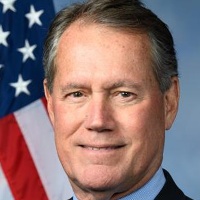
Ed Case
Representative
HI-1
The PROSPER in the Pacific Act aims to strengthen U.S. economic and strategic ties with Pacific Islands nations by establishing a preferential trade program for eligible countries. This legislation outlines specific eligibility criteria based on governance, human rights, and labor standards for receiving duty-free treatment. Furthermore, the bill mandates the development of a plan for negotiating future free trade agreements and establishes a trade facilitation and capacity building program to support regional economic growth.
New PROSPER Act Gives Pacific Islands Duty-Free Access to U.S. Markets Until 2036, Linking Trade to Worker Rights and Climate Laws
The new Promoting Regional Opportunities for Sustainable Prosperity and Economic Resilience in the Pacific Act—or the PROSPER in the Pacific Act—is rolling out a temporary, preferential trade program for a list of Pacific Islands countries (PICs), including Fiji, Papua New Guinea, and Samoa. Starting now and running until December 31, 2036, this bill allows eligible goods from these nations to enter the U.S. duty-free. The goal is straightforward: boost economic development and stability in the Pacific Islands while strengthening the U.S. strategic position in the Indo-Pacific. This is essentially a new, conditional trade benefit package designed to help these island economies grow and diversify, which Congress notes are often hampered by geographic isolation and vulnerability to natural disasters.
The Trade-Off: Access for Accountability
This isn’t a free pass, though. To qualify for duty-free status, a Pacific Islands country must meet a strict set of eligibility requirements that go far beyond standard trade agreements. The President must confirm that the country meets the same governance and human rights standards required by the African Growth and Opportunity Act (AGOA) and the Trade Act of 1974. Crucially, the bill waives the income threshold that usually disqualifies developing nations from this kind of help, acknowledging the unique economic challenges faced by island nations.
However, the bill piles on extra hurdles. A country can be disqualified if it fails to protect internationally recognized worker rights (like the right to organize, minimum age laws, and protection against gender-based violence in the workplace). It also requires the country to effectively enforce its environmental laws and fulfill international obligations, including those related to illegal, unreported, and unregulated (IUU) fishing (Sec. 3). For a tuna exporter in the Solomon Islands, this means their government must prove its fishing fleet is playing by the rules, or the U.S. market door stays shut. This links market access directly to human rights, labor standards, and environmental protection—a triple bottom line for trade.
The President’s Discretionary Power: A Double-Edged Sword
Here’s where things get interesting—and a little vague. The President has broad authority to determine eligibility, not just based on clear violations, but also on whether a country is making “continual progress” toward establishing things like the rule of law, political pluralism, and systems to combat corruption (Sec. 3). For people working in the PICs, this means the stability of their new U.S. market access could hinge on the subjective political assessment of their government’s progress, rather than just objective economic metrics. While this power can be used to nudge countries toward better governance, it also means the benefits could be withdrawn or denied based on political considerations, making long-term investment planning tricky for businesses.
Beyond Tariffs: Building the Trade Infrastructure
Recognizing that simply dropping tariffs isn't enough, the PROSPER Act includes a mandate for a trade facilitation and capacity building program (Sec. 6). Within 180 days of enactment, the U.S. must create a program to help these countries succeed. This means training financial institutions on export finance, helping governments publish all their trade regulations and tariff rates online, and creating guides for exporters on how to navigate U.S. preference programs. For a small business owner in Fiji trying to export specialty goods, this program could provide the critical know-how to cut through the red tape and actually use the duty-free benefits.
Finally, the bill supports negotiating future Free Trade Agreements (FTAs) with interested Pacific Islands countries, and requires the President to submit a plan for these negotiations within 12 months (Sec. 5). This suggests the current preferential program is viewed as a stepping stone toward a more permanent, comprehensive trade relationship. However, the current duty-free treatment is temporary, with a hard stop date of December 31, 2036. While that’s over a decade away, the temporary nature might deter the massive, long-term investments needed to fully transform these economies.