This Act establishes new consultation and public review requirements for nuclear plant decommissioning plans, creates grant programs to support community advisory boards and offset the impact of stranded waste, and mandates economic development funding for host communities.
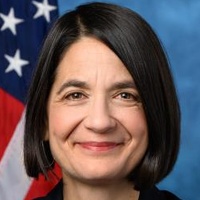
Becca Balint
Representative
VT
The Nuclear Plant Decommissioning Act of 2025 establishes new requirements for transparency and community involvement during nuclear facility decommissioning, mandating consultation with affected states and tribes before the NRC approves decommissioning plans or license transfers. The bill also creates several grant programs to financially support local advisory boards and aid communities impacted by stranded waste and economic disruption from plant closures. Finally, it requires plant operators to fund dedicated economic recovery accounts for host communities based on the size of their decommissioning trusts.
New Nuclear Decommissioning Rules Give Host States Veto Power, Mandate Millions in Community Funding
The Nuclear Plant Decommissioning Act of 2025 is looking to completely change how old nuclear power plants are shut down and cleaned up. Right now, when a plant closes, the process is mostly managed between the operator and the Nuclear Regulatory Commission (NRC). This bill shifts the power dynamic, giving local communities and states a much bigger seat at the table—and securing millions in dedicated funding to handle the fallout.
This legislation focuses on two big things: making sure local voices are heard before any major decisions are made, and ensuring that the plant operators financially support the communities left behind.
The Cleanup Plan: No More Just Sending an Email to the Feds
If you live within 50 miles of a nuclear plant, this bill affects you. Under current rules, when a plant decides to close, it submits a Post-Shutdown Decommissioning Activities Report (PSDAR) to the NRC. This bill, under Section 2, makes that process a lot more complicated—in a good way for the public.
First, before the operator can even submit the PSDAR or sell the plant's license to another company, they must consult with the state where the facility is located and every state and tribal government within that 50-mile radius. This isn't just a courtesy call; it’s mandatory consultation. Once the plan is submitted, the NRC has to hold a 90-day public comment period, including at least two public meetings in the host state. This means if you have concerns about cleanup timelines or how radioactive waste is being handled, you get a formal, mandatory opportunity to weigh in.
Crucially, the host state gets a formal review power. The state can file a statement of support, conditional support (with recommended changes), or nonsupport. If the state files conditional support, the NRC must include those changes in the final plan unless it finds “clear and convincing evidence” that the change violates the law or that the costs significantly outweigh the benefits to the host state. This is a high bar, giving the host state a near-veto over major parts of the cleanup plan. Furthermore, the NRC cannot approve any plan unless the operator agrees to comply with state environmental laws (air, water, soil) if those state laws are stricter than federal requirements. This is a huge win for environmental protection at the local level.
Who Pays for the Community’s Recovery?
Decommissioning a nuclear plant often means the loss of a major employer and tax base. Sections 3, 5, and 6 address this economic hit by creating several new, mandatory funding streams paid for by the plant operators, not taxpayers.
First, Section 3 creates permanent grant programs to fund Community Advisory Boards (CABs). These boards are the local groups that try to keep communication flowing between the operator and the community. To fund this, the NRC must establish a $500,000 fee that operators must pay every time they submit a major PSDAR. That money goes directly into a new U.S. Treasury fund dedicated solely to helping these local CABs hire experts, run meetings, and communicate effectively.
Next, Section 5 establishes a grant program specifically to compensate local governments for the burden of 'stranded nuclear waste'—the spent fuel stored in dry casks or pools after the plant closes. If your city or county hosts this waste, the Department of Energy will award a grant of $15 for every kilogram of spent nuclear fuel stored on site, every year, from 2026 through 2035. This is direct relief intended to offset the economic and social costs of hosting long-term radioactive material.
The 2% Solution: A Potential Financial Tightrope
The most significant financial obligation is found in Section 6, which creates the "Host Community Economic Recovery Account." For every plant, the operator must fund a special account managed by the Department of Commerce. The balance of this account must never drop below 2% of the plant's total financial pool set aside for decommissioning (which usually includes the Nuclear Decommissioning Trust Fund).
This 2% minimum is mandatory and is funded by annual transfers from the operator. The money in this account is then used for grants to the host community for economic development and planning. For communities that are already undergoing decommissioning, the operator has a one-time obligation to transfer 2% of their trust fund balance within one year of the law's enactment.
Here’s the catch: The money for these community accounts is calculated based on the existing decommissioning trust funds, which are legally required to pay for the actual cleanup. While this provides guaranteed funding for the community, it raises a major concern: If the NRC isn't extremely careful in updating its regulations, requiring these transfers could potentially draw down the funds needed for the actual, physical cleanup of the site. The bill attempts to address this by requiring the NRC to revise its rules to ensure the trusts still have enough money for legitimate decommissioning activities, but this regulatory oversight will be critical to watch.
In short, this bill is a major shift in accountability. It tells nuclear plant operators that the cost of shutting down isn't just the physical cleanup; it also includes the cost of community engagement, economic recovery, and compensating for long-term waste storage. For host communities, it means having real power and dedicated funding, but the ultimate success depends on the NRC ensuring that the cleanup funds themselves remain secure.