Legislation
The Schools Want Accountability for Threats Act (SWAT Act) increases federal penalties for making threats involving fire, explosives, or false reports against any recognized educational institution.
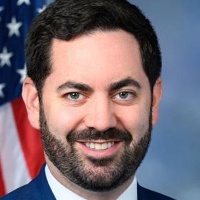
Michael Lawler
Representative
NY
Michael Lawler
Representative
NY
The Schools Want Accountability for Threats Act (SWAT Act) increases federal penalties for individuals who make threats involving fire, explosives, or false information targeting schools. This legislation specifically enhances punishments for threats made through the mail or across state lines against any recognized educational institution. Violators of these provisions now face up to 20 years in prison, a fine, or both.
This Act codifies and sets conditions for waiving existing visa sanctions against members of the Palestine Liberation Organization and Palestinian Authority officials based on their commitment to counterterrorism and peace efforts.
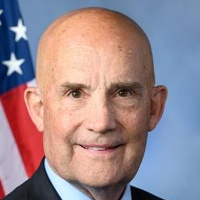
Keith Self
Representative
TX
Keith Self
Representative
TX
The Return to Palestinian Entities Accountability and Counterterrorism Enforcement Act, or the Return to PEACE Act, ensures that existing visa sanctions against members of the Palestine Liberation Organization (PLO) and Palestinian Authority (PA) officials remain in effect. The Secretary of State can waive these bans for renewable 180-day periods only after certifying to Congress that the PLO/PA are not undermining prior commitments, pursuing international legal action against Israel, or supporting terrorism. These provisions are set to expire seven years after enactment.
This bill officially renames the Department of Veterans Affairs clinic in Riverhead, New York, to the "Private First Class Garfield M. Langhorn VA Clinic" to honor his heroic sacrifice.
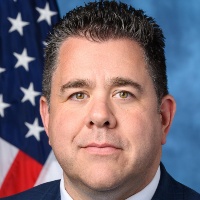
Nicolas LaLota
Representative
NY
Nicolas LaLota
Representative
NY
This bill officially renames the Department of Veterans Affairs clinic in Riverhead, New York, to honor a local hero. The facility will now be known as the "Private First Class Garfield M. Langhorn VA Clinic." This designation recognizes PFC Langhorn's extraordinary bravery and ultimate sacrifice while serving in Vietnam.
This bill extends the authorization for the U.S. Drought Monitor, establishes an interagency working group to improve data quality, and mandates coordination between the Farm Service Agency and the Forest Service on drought response.
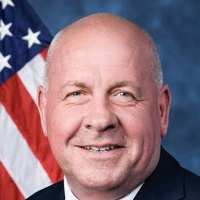
David Taylor
Representative
OH
David Taylor
Representative
OH
The Improving Drought Monitoring Act extends the authorization for the U.S. Drought Monitor program through 2030. It establishes an interagency working group to improve the accuracy and consistency of drought data used in the Monitor. Furthermore, the bill mandates that the Farm Service Agency and the Forest Service coordinate their drought response activities to ensure consistent severity determinations.
This bill officially designates the United States Postal Service facility at 170 Main Street in Westhampton Beach, New York, as the "Jolly 51 Memorial Post Office Building."
Nicolas LaLota
Representative
NY
Nicolas LaLota
Representative
NY
This bill officially renames the United States Postal Service facility at 170 Main Street in Westhampton Beach, New York. The building will henceforth be known as the "Jolly 51 Memorial Post Office Building." This designation ensures all federal references to the location use the new memorial name.
The Flood Insurance Transparency Act of 2025 mandates the public release of comprehensive data, models, and community statistics related to the National Flood Insurance Program to enhance flood risk research.
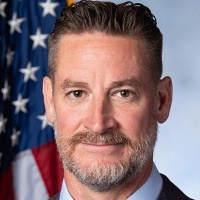
W. Steube
Representative
FL
W. Steube
Representative
FL
The Flood Insurance Transparency Act of 2025 mandates the public release of comprehensive data regarding the National Flood Insurance Program (NFIP). This includes detailed information on flood risk assessments, premium calculations, claims history, and loss ratios. The goal is to enhance public access to NFIP data to support better flood risk research and analysis. All released information must be anonymized to strictly protect the privacy of individual policyholders.
This Act allows covered veterans transitioning from military to VA care to elect to continue seeing their Department of Defense mental health provider during the transition period.
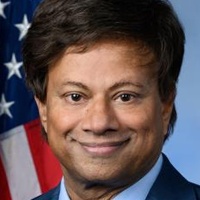
Shri Thanedar
Representative
MI
Shri Thanedar
Representative
MI
The Mental Health Care Provider Retention Act of 2025 allows eligible veterans transitioning from military to VA care to elect to continue seeing their current Department of Defense (DoD) mental health provider. This provision ensures continuity of care during the transition period, with the VA reimbursing the DoD for these services. The bill also outlines procedures for record sharing and provider changes if the chosen DoD provider leaves the military facility.
This bill prohibits the National Flood Insurance Program from enforcing non-compete agreements against private companies that sell federal flood insurance policies.
W. Steube
Representative
FL
W. Steube
Representative
FL
This bill prohibits the Federal Emergency Management Agency (FEMA) from enforcing non-compete clauses against private insurance companies participating in the National Flood Insurance Program's (NFIP) Write Your Own Program. This change ensures that these partner companies are free to sell their own private flood insurance products alongside their NFIP responsibilities. The legislation aims to foster competition between private flood insurance options and the federal program.
This bill establishes National Security and Defense Artificial Intelligence Institutes at senior military colleges to advance defense-focused AI research through broad partnerships and secure data access.
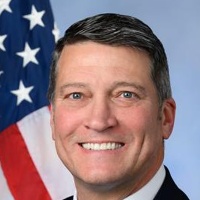
Ronny Jackson
Representative
TX
Ronny Jackson
Representative
TX
The Growing University AI Research for Defense Act (GUARD Act) authorizes the Secretary of Defense to establish National Security and Defense Artificial Intelligence Institutes at eligible senior military colleges. These institutes will focus on critical defense-related AI challenges through broad partnerships across government, academia, and industry. The funding supports research, data sharing, testing environments, and workforce development exclusively within the United States.
This bill amends the Elementary and Secondary Education Act to enhance support, data collection, and accountability measures for English learners and their families.
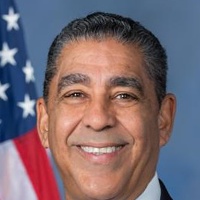
Adriano Espaillat
Representative
NY
Adriano Espaillat
Representative
NY
This bill amends the Elementary and Secondary Education Act to enhance support and accountability for English learners. It mandates new data collection on teacher diversity and sets clearer goals for English learner academic achievement. The legislation also expands authorized uses of funds for grantees to include providing comprehensive support services and culturally competent professional development for educators.
The No Stock Act bans high-ranking government officials and their families from holding, trading, or creating short positions in conflicted financial assets, including most stocks and digital assets, while requiring divestiture of existing holdings.

Kirsten Gillibrand
Senator
NY
Kirsten Gillibrand
Senator
NY
The No Stock Act bans high-ranking government officials and their immediate families from holding, trading, or creating short positions in stocks, cryptocurrencies, and other conflicted financial interests while in office. Covered individuals must divest existing prohibited assets within 120 days of taking office or the law's enactment. Knowing violations will result in significant financial penalties based on the value of the illegally held asset.
The National Flood Insurance Program Administrative Reform Act of 2025 establishes administrative reforms, fraud penalties, enhanced policyholder rights, staffing mandates, and studies to improve the operation and transparency of the NFIP.
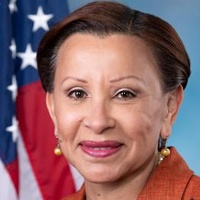
Nydia Velázquez
Representative
NY
Nydia Velázquez
Representative
NY
The National Flood Insurance Program Administrative Reform Act of 2025 aims to strengthen the NFIP through administrative updates and increased accountability. This bill establishes a pilot program for inspecting older properties, introduces penalties for fraud, and enhances policyholder rights, including a mandatory appeals process and faster claim deadlines. Furthermore, it mandates oversight of litigation expenses, ensures adequate staffing for the Flood Insurance Advocate, and directs studies on claims handling and earth movement coverage.
This act ensures that public colleges receiving federal funds cannot deny religious student groups the same rights, benefits, and privileges granted to other student organizations.

James Lankford
Senator
OK
James Lankford
Senator
OK
The Equal Campus Access Act of 2025 ensures that public colleges receiving federal funding must grant religious student organizations the same rights, benefits, and privileges afforded to all other student groups. This prevents institutions from denying resources or penalizing religious groups based on their beliefs, practices, speech, leadership selection, or conduct standards. Essentially, the bill mandates equal treatment for all student organizations on campus to maintain federal funding eligibility.
This bill grants Valent Kolami eligibility to apply for permanent resident status in the U.S. within two years of enactment.

Richard Blumenthal
Senator
CT
Richard Blumenthal
Senator
CT
This bill grants permanent resident status to Valent Kolami, allowing them to apply for an immigrant visa or adjust their status immediately. This special eligibility is contingent upon Kolami filing the required application and fees within two years of the law's enactment. The legislation effectively waives certain standard immigration eligibility requirements for this specific individual.
The SHINE for Autumn Act of 2025 aims to improve stillbirth research and data collection through federal grants to states while mandating the creation and publication of public educational guidelines on stillbirth risk factors.
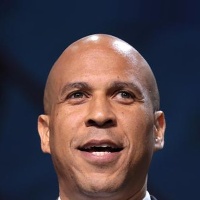
Cory Booker
Senator
NJ
Cory Booker
Senator
NJ
The SHINE for Autumn Act of 2025 aims to significantly improve the national understanding and prevention of stillbirths. It authorizes federal grants to help states enhance stillbirth surveillance, data collection, and analysis, ensuring all collected data remains de-identified. Furthermore, the Act mandates the creation of clear federal guidelines for standardized data collection and the development of public educational materials regarding stillbirth risk factors.
This bill extends the National Flood Insurance Program through November 21, 2025.
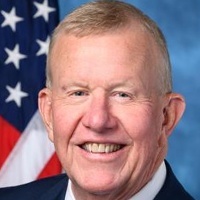
Mike Ezell
Representative
MS
Mike Ezell
Representative
MS
This bill extends the National Flood Insurance Program (NFIP) to ensure continuous flood insurance coverage. It specifically moves the program's expiration date from late 2023 to November 21, 2025. This extension provides Congress with additional time to develop long-term reforms for the program.
This bill phases in increased import duties on shrimp from India, mandates new country-of-origin labeling for cooked shrimp, and dedicates a new per-kilogram fee on shrimp imports to fund seafood inspections.

Bill Cassidy
Senator
LA
Bill Cassidy
Senator
LA
The India Shrimp Tariff Act establishes a phased increase in U.S. import duties on shrimp originating from India, citing unfair competition against domestic producers. This legislation also mandates a new per-kilogram fee on certain shrimp imports, with collected funds dedicated to the inspection of both shrimp and catfish. Furthermore, the Act updates country-of-origin labeling requirements for cooked shrimp and crawfish.
This Act establishes a FEMA program to provide smoke protection gear and transitional sheltering assistance to vulnerable individuals during prolonged periods of unhealthy wildfire smoke.

Ron Wyden
Senator
OR
Ron Wyden
Senator
OR
The Wildfire Smoke Relief Act establishes a new FEMA program to provide assistance during severe wildfire smoke events. This program targets at-risk individuals, including low-income residents, children, pregnant individuals, seniors, and those with chronic illnesses, when air quality is unhealthy for three consecutive days. Assistance includes distributing essential smoke protection gear like air filters and respirators, or providing transitional shelter if the protective equipment is insufficient to mitigate health risks.
This bill tightens regulations on the manufacturing, sale, and transport of pill presses and their critical components by mandating serial numbers and enhanced recordkeeping under the Controlled Substances Act.

John Cornyn
Senator
TX
John Cornyn
Senator
TX
The Fight Illicit Pill Presses Act aims to combat illegal drug manufacturing by tightening regulations on equipment used to make counterfeit pills. This bill expands the definition of regulated persons to include those dealing in specific pill-making machinery and their critical parts. It mandates permanent serial numbers on these machines and parts, requiring transaction reporting to the Attorney General. Furthermore, the Act prohibits the removal or alteration of these required identification numbers.
This bill mandates the annual public reporting by the NTIA on the Federal Government's use of radio frequencies between 225 MHz and 50 GHz.

Marsha Blackburn
Senator
TN
Marsha Blackburn
Senator
TN
The Federal Government Spectrum Inventory Act mandates the National Telecommunications and Information Administration (NTIA) to produce an annual public report detailing the Federal Government's use of radio frequencies between 225 MHz and 50 GHz. This report must include official allocation tables, usage details, and planned future applications for these critical spectrum bands. The goal is to increase transparency regarding how federal agencies utilize these shared national resources.