Legislation
This Act ensures that disability compensation or pension payments received by veterans are excluded when determining eligibility for low-income housing tax credits and residential rental project bonds.

Linda Sánchez
Representative
CA
Linda Sánchez
Representative
CA
The Fair Housing for Disabled Veterans Act ensures that veterans' disability compensation or pension payments are excluded when determining income eligibility for low-income housing tax credits and related rental project bonds. This change prevents veterans from being penalized for their service-related benefits when applying for affordable housing assistance. The Act takes effect immediately upon passage.
This Act establishes an Advisory Committee on Falls Prevention to develop a national strategy, evaluate federal efforts, and recommend pilot programs, including Medicare coverage for home modifications, to reduce falls among older adults.
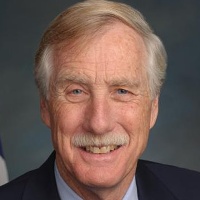
Angus King
Senator
ME
Angus King
Senator
ME
The Stand Strong Falls Prevention Act establishes an Advisory Committee on Falls Prevention within the Administration on Aging to coordinate federal efforts and develop a national plan to reduce falls among older adults. This committee will evaluate existing programs and recommend priority actions, including pilot programs for Medicare coverage of home modifications to prevent falls. The Assistant Secretary will also submit regular reports to Congress on national progress and recommendations for reducing the financial burden of falls.
This Act streamlines the regulatory pathway for biosimilar biological products by clarifying interchangeability standards and updating related federal drug laws.
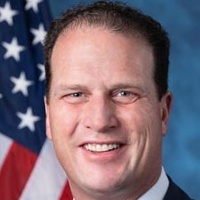
August Pfluger
Representative
TX
August Pfluger
Representative
TX
The Biosimilar Red Tape Elimination Act streamlines the regulatory pathway for biosimilar biological products by making technical and structural updates to existing law. This legislation clarifies when a biosimilar is automatically deemed "interchangeable" with its reference product, protecting existing exclusivity periods. Furthermore, it updates conforming language across federal drug laws and clarifies pediatric testing requirements for biosimilar applications.
The Safe Step Act mandates that group health plans using medication step therapy establish clear, timely exception processes for patients and doctors when required drugs are medically inappropriate or ineffective.
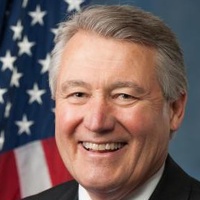
Rick Allen
Representative
GA
Rick Allen
Representative
GA
The Safe Step Act establishes mandatory, transparent exception processes for health plans that use "step therapy" protocols for prescription drugs. This ensures patients or their doctors can quickly request coverage for a prescribed medication when specific clinical criteria are met, such as previous treatment failure or risk of harm. Plans must decide on standard requests within 72 hours and urgent requests within 24 hours, and approved exceptions must last for at least one year. Furthermore, insurers must report detailed data annually on exception requests, approvals, and denials to the Secretary of Health and Human Services.
This Act establishes a federal grant program to help states create or expand high-quality, full-day, universal prekindergarten programs for three- and four-year-olds.

Eleanor Norton
Representative
DC
Eleanor Norton
Representative
DC
The Universal Prekindergarten and Early Childhood Education Act of 2025 establishes a competitive federal grant program to help states create or expand high-quality, full-day prekindergarten for all 3- and 4-year-olds. Federal funding will cover up to 80% of program costs, requiring states to use the money to supplement, not supplant, existing early childhood education funding. Programs must be housed in public schools and taught by qualified educators.
The Promoting Resilient Buildings Act of 2025 updates building code references for disaster mitigation, streamlines a loan fund program, and establishes a temporary pilot program to provide grants for residential retrofits against natural hazards.
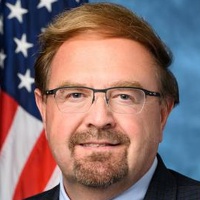
Charles (Chuck) Edwards
Representative
NC
Charles (Chuck) Edwards
Representative
NC
The Promoting Resilient Buildings Act of 2025 updates federal disaster preparedness by clarifying which building codes apply to mitigation plans. It also streamlines the Hazard Mitigation Revolving Loan Fund Program through technical amendments. Crucially, the Act establishes a new pilot program to provide grants to homeowners for retrofitting their residences against local natural hazards, with a required evaluation of its effectiveness.
This Act amends the Indian Trust Asset Reform Act to clarify participation in the management project and expand tribal authority over the management of their trust assets under an approved plan.
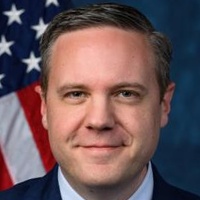
Jeff Hurd
Representative
CO
Jeff Hurd
Representative
CO
The Indian Trust Asset Reform Amendment Act updates existing law to clarify participation in the Indian Trust Asset Management Project for federally recognized tribes and their organizations. This legislation grants tribes with approved management plans greater authority to manage their trust assets, such as leasing or forest management, without prior secretarial approval. The amendments also ensure that participation in the management project does not negatively impact a tribe's eligibility for federal funding.
This Act expands integrated cross-border law enforcement operations, particularly with Canada, and enhances legal protections and cooperation mechanisms for U.S. and foreign law enforcement personnel working together internationally.
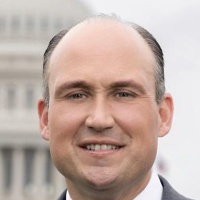
Nicholas Langworthy
Representative
NY
Nicholas Langworthy
Representative
NY
The Integrated Cross-Border Law Enforcement Operations Expansion Act encourages the Secretary of Homeland Security to enhance joint law enforcement operations with Canada across land, air, and sea borders. This legislation also grants authority to establish agreements that provide legal protections to designated foreign law enforcement officers working alongside U.S. Customs officials. Furthermore, it allows for the stationing of U.S. law enforcement personnel overseas and the acceptance of foreign personnel in the U.S. for cooperative security missions.
This act officially renames the Department of Defense to the Department of War to better convey national resolve and strength.
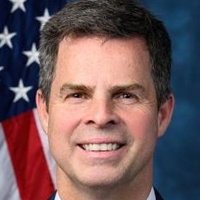
John McGuire
Representative
VA
John McGuire
Representative
VA
The Peace Through Strength Act of 2025 officially renames the Department of Defense to the Department of War. This change, which also renames the Secretary of Defense to the Secretary of War, aims to better reflect the nation's resolve and willingness to fight to protect its interests. The Act mandates that all references to the former name throughout the U.S. Code and official documents be updated to reflect the new title.
This bill authorizes the creation and presentation of a Congressional Gold Medal to honor Peace Corps Volunteers who served between 1961 and 2026 for their contributions to world peace and understanding.
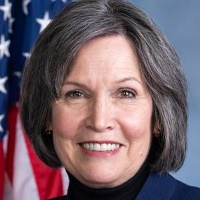
Betty McCollum
Representative
MN
Betty McCollum
Representative
MN
This bill authorizes the presentation of a Congressional Gold Medal to all Peace Corps Volunteers who served between August 28, 1961, and December 31, 2026, to recognize their distinguished service and promotion of world peace. The medal will be awarded to the Director of the Peace Corps for display at the agency's headquarters. The Secretary of the Treasury is also authorized to strike and sell bronze duplicates of the medal to cover production costs.
This Act co-designates the Arlington Memorial Bridge as the United States-Mexican War Memorial to create a national commemoration for the war using existing federal property without federal funding for commemorative enhancements.
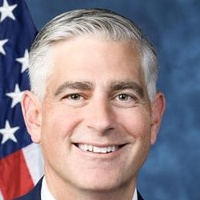
Michael Baumgartner
Representative
WA
Michael Baumgartner
Representative
WA
This Act co-designates the Arlington Memorial Bridge as the United States-Mexican War Memorial to honor the historical significance of the war. The designation is honorary and does not change the bridge's operational name or function. The Secretary of the Interior is authorized to install limited, non-structural commemorative elements, which must be funded entirely through private donations.
This act establishes temporary continuation rules and revised payment terms for private operators whose contracts with the Postal Service are being terminated for reasons other than contractor fault.
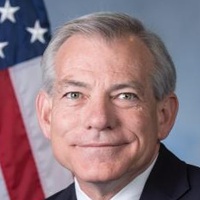
David Schweikert
Representative
AZ
David Schweikert
Representative
AZ
The Postal Contracting Financial Accountability Act allows private operators of contract postal units to temporarily continue service after a non-fault-based contract termination. If the operator chooses this option, the existing agreement generally remains in effect without further Postal Service payments until the contractor terminates, breaches the agreement, or closes the location. The Postmaster General retains discretion to establish payment terms for this continued operation.
This Act mandates the reissuance of the 2017 rule delisting the Greater Yellowstone Ecosystem grizzly bear population and prohibits judicial review of that reissuance.
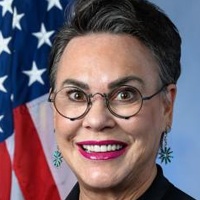
Harriet Hageman
Representative
WY
Harriet Hageman
Representative
WY
The Grizzly Bear State Management Act mandates the Secretary of the Interior to reissue the 2017 rule delisting the Greater Yellowstone Ecosystem grizzly bear population within 180 days. This reissuance must occur without regard to other applicable laws governing final rules. Furthermore, the reissued 2017 rule is explicitly shielded from judicial review.
This Act significantly increases mandatory minimum prison sentences for serious violent crimes in the District of Columbia, including murder, rape, sexual abuse, kidnapping, carjacking, and first-degree burglary.

Andy Biggs
Representative
AZ
Andy Biggs
Representative
AZ
The Strong Sentences for Safer D.C. Streets Act of 2025 significantly increases mandatory minimum prison sentences for several serious violent crimes in the District of Columbia. This legislation raises the minimum penalties for offenses including first-degree murder, rape, carjacking, and first-degree burglary. The changes will only apply to criminal acts committed on or after the date the bill is officially enacted into law.
This bill establishes national reciprocity for concealed carry permits, allowing individuals legally permitted to carry in their home state to carry a handgun in any other state that allows concealed carry.
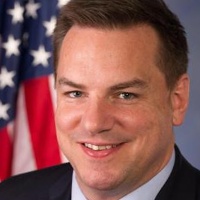
Richard Hudson
Representative
NC
Richard Hudson
Representative
NC
The Constitutional Concealed Carry Reciprocity Act of 2025 establishes a national standard for carrying concealed handguns across state lines. This act allows individuals legally permitted to carry in their home state to carry concealed in any other state that allows its residents to carry concealed firearms. The law does not override private property restrictions or prohibitions on government property, but it provides protections and legal recourse for those traveling in compliance with the new federal standard.
This Act raises the mandatory retirement age for experienced pilots in certain commercial operations to 67, with provisions for returning pilots and updated medical requirements.
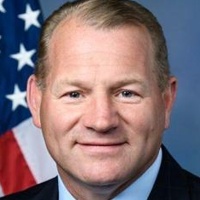
Troy Nehls
Representative
TX
Troy Nehls
Representative
TX
The Let Experienced Pilots Fly Act of 2025 raises the mandatory retirement age for pilots in certain commercial operations, generally known as Part 121 flights, from 65 to 67. This change allows experienced pilots to continue flying in covered operations until they reach the new age limit. The bill also includes provisions protecting pilots and carriers who acted under previous regulations and requires the FAA to report on potentially raising the age further.
The Career and Technical Education Access Act establishes a federal grant program to help states build and expand career-focused high school programs aligned with local job needs, while also creating a new CTE Pell Grant for high school students pursuing relevant training and certifications.
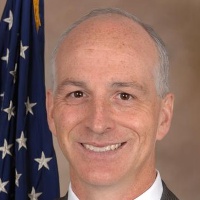
Adam Smith
Representative
WA
Adam Smith
Representative
WA
The Career and Technical Education Access Act establishes a federal grant program to help states build, expand, or upgrade high-quality Career and Technical Education (CTE) programs aligned with local workforce needs. This legislation also creates a new CTE Pell Grant to provide financial assistance to public high school students pursuing necessary job training and industry certifications. The goal is to increase student access to hands-on learning, connect education directly to high-demand careers, and facilitate credit transfer to postsecondary institutions.
This bill repeals the District of Columbia's authority to use automated traffic enforcement systems (speed cameras) and to erect signs prohibiting right turns on red lights.
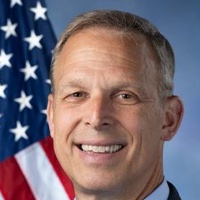
Scott Perry
Representative
PA
Scott Perry
Representative
PA
The Stop DC CAMERA Act aims to eliminate automated traffic enforcement systems, such as speed cameras, within the District of Columbia. Furthermore, this bill repeals the authority allowing D.C. to post signs prohibiting right turns on red lights near traffic signals. In essence, it removes two specific traffic enforcement mechanisms currently used by the city.
The POJA Act of 2025 explicitly extends age discrimination protections under the ADEA to job applicants and mandates an EEOC study on related claims.
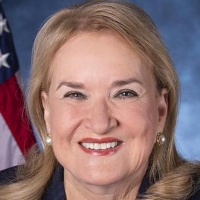
Sylvia Garcia
Representative
TX
Sylvia Garcia
Representative
TX
The Protect Older Job Applicants Act of 2025 (POJA Act) explicitly extends the protections of the Age Discrimination in Employment Act (ADEA) to job applicants, prohibiting employers from limiting or classifying applicants based on age during the hiring process. Additionally, the bill mandates that the EEOC conduct a study on age discrimination claims filed under the ADEA since 2015. The EEOC must then report these findings, along with recommendations for combating hiring bias, to Congress and the public.
This Act mandates updated threat analyses, strategy revisions, and performance metrics for enhancing security along the northern border.
Nicholas Langworthy
Representative
NY
Nicholas Langworthy
Representative
NY
The Northern Border Security Enhancement and Review Act mandates updated threat analyses of the northern border every two years, with the first due by September 2, 2026. Following each analysis, the Department of Homeland Security must update its border strategy or formally explain why an update is unnecessary. The bill also requires classified briefings for Congress and the development of performance measures for Air and Marine Operations along the northern border.