Legislation
This act modernizes water infrastructure by defining and funding the adoption of intelligent technologies for improved water and wastewater management.
Robert Bresnahan
Representative
PA
Robert Bresnahan
Representative
PA
The Water Infrastructure Modernization Act of 2025 updates federal water pollution control grants to prioritize and fund "intelligent water infrastructure technology." This technology utilizes real-time monitoring, AI, and advanced sensors to improve the efficiency, reliability, and resilience of water and wastewater systems. The bill modifies grant uses to specifically cover the implementation of these smart technologies and increases the authorization of appropriations.
This bill authorizes funding for U.S. intelligence activities for Fiscal Year 2026, establishes a new National Counterintelligence Center, addresses workforce and technology matters, and increases focus on countering the People's Republic of China.
Eric Crawford
Representative
AR
Eric Crawford
Representative
AR
The Intelligence Authorization Act for Fiscal Year 2026 authorizes funding for the nation's intelligence activities and establishes the legal framework for the Intelligence Community's operations. Key provisions include centralizing federal counterintelligence authority under a new National Counterintelligence Center and mandating new standards for technology adoption, especially concerning Artificial Intelligence. Furthermore, the bill addresses workforce matters, enhances intelligence gathering against the People's Republic of China, and modifies various reporting and oversight requirements across intelligence agencies.
This bill prohibits federal funding to non-governmental organizations for providing housing, legal services, or transportation to undocumented immigrants, with an exception for minors.
Beth Van Duyne
Representative
TX
Beth Van Duyne
Representative
TX
The No Aid for Illegal Entry Act prohibits federal funding from being used by non-governmental organizations to provide housing, transportation, or legal services to aliens present in the U.S. without lawful status. This restriction does not apply when the funds are used specifically for minors under the age of 18. Furthermore, the Department of the Interior is barred from administering contracts related to migrant resettlement or immigration enforcement services.
This act modifies federal securities laws to establish specific fiduciary and investment approval requirements for certain 403(b) retirement plans offered by charities and educational institutions to maintain their exemptions from registration.
Frank Lucas
Representative
OK
Frank Lucas
Representative
OK
The Retirement Fairness for Charities and Educational Institutions Act of 2025 modifies federal securities laws to update exemptions for 403(b) retirement plans. This legislation clarifies requirements under the Investment Company Act, the Securities Act, and the Securities Exchange Act. The changes generally condition these exemptions on the employer taking on specific fiduciary responsibilities regarding the selection and approval of investment options offered to participants.
This act establishes new residency and work authorization requirements for obtaining a Commercial Driver's License (CDL) and mandates annual state reporting on English proficiency enforcement for commercial drivers.
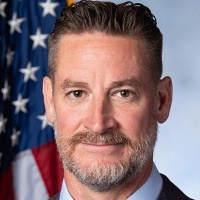
W. Steube
Representative
FL
W. Steube
Representative
FL
The Safer Truckers Act of 2025 establishes new residency and work authorization requirements for individuals applying for a Commercial Driver's License (CDL). This legislation mandates that CDL applicants must be U.S. citizens, lawful permanent residents, or authorized to work in the U.S. in a commercial driving capacity. Furthermore, the Act requires states to annually report on their enforcement of English proficiency standards for commercial drivers.
This Act amends federal law to revise the mental state and resulting death requirements for the crime of carjacking.
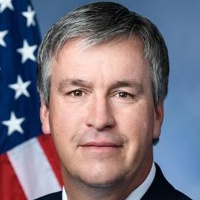
Barry Moore
Representative
AL
Barry Moore
Representative
AL
The Federal Carjacking Enforcement Act amends federal carjacking law by modifying the required mental state for the offense, replacing a specific intent requirement with the standard of "knowingly." Additionally, it clarifies the circumstances under which a death resulting from the act constitutes an enhanced offense.
This act expands eligibility for universal service support to include tribal lands and areas with high populations of Native Americans.
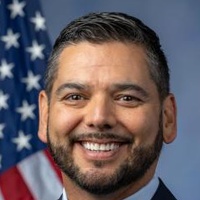
Raul Ruiz
Representative
CA
Raul Ruiz
Representative
CA
The Tribal Internet Expansion Act of 2025 amends the Communications Act to explicitly include "Indian country and areas with high populations of Indian people" as eligible areas for universal service support. This expansion aims to increase federal funding and resources dedicated to improving broadband and telecommunications access in these underserved communities.
This bill authorizes the use of the U.S. Capitol rotunda for the Congressional National Prayer Breakfast on February 5, 2026, including permission to serve food and beverages.
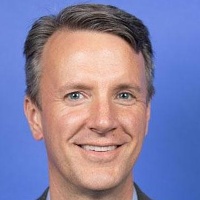
Ben Cline
Representative
VA
Ben Cline
Representative
VA
This bill authorizes the use of the U.S. Capitol rotunda for the Congressional National Prayer Breakfast scheduled for February 5, 2026. The authorization specifically permits the serving of food and beverages during the event. The Architect of the Capitol will oversee the necessary physical preparations for the event.
This Act establishes a moratorium on oil and gas leasing and exploration off the coasts of Florida in the Gulf of Mexico and the Atlantic until 2032.
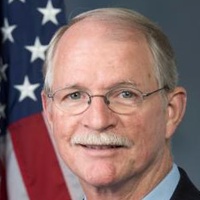
John Rutherford
Representative
FL
John Rutherford
Representative
FL
The PROTECT Florida Act establishes a comprehensive moratorium on new oil and gas leasing and exploration activities off the coast of Florida in both the Gulf of Mexico and the Atlantic Ocean. This measure extends existing protections and prohibits activities like seismic testing until June 30, 2032. The bill aims to safeguard Florida's coastal environment, tourism, and recreational resources.
The PRECISE Act expands conservation loan and assistance programs to specifically incentivize and fund the adoption of precision agriculture technology and practices for rural producers.
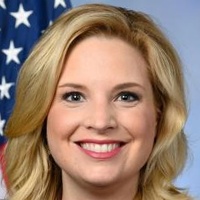
Ashley Hinson
Representative
IA
Ashley Hinson
Representative
IA
The PRECISE Act aims to promote conservation and efficiency in agriculture by expanding access to conservation loans and rural assistance for adopting precision agriculture practices and technology. It updates definitions and increases potential payments under existing conservation programs like EQIP and CSP to incentivize the use of precision methods. Furthermore, the bill directs emphasis toward using third-party providers for technical assistance related to soil health and precision agriculture planning.
This bill creates an exception to the prohibition on offering remuneration to influence healthcare decisions, allowing payments to information service providers for bookable directories, provided strict consumer protection and fairness criteria are met.
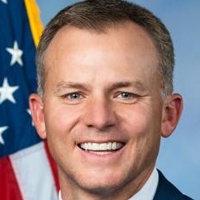
Blake Moore
Representative
UT
Blake Moore
Representative
UT
The Health ACCESS Act amends federal law to create an exception to prohibitions against offering remuneration to influence healthcare decisions. This change specifically allows providers to pay information service platforms for participation, provided the platform adheres to strict guidelines ensuring unbiased consumer choice. These guidelines prohibit steering patients, targeted marketing, and sharing consumer contact information outside of a confirmed selection. Ultimately, this bill aims to facilitate easier consumer access to healthcare providers through regulated self-scheduling platforms.
This bill mandates the Congressional Budget Office (CBO) to annually publish a public schedule detailing the expected release dates for its major recurring reports.
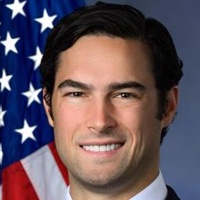
Brandon Gill
Representative
TX
Brandon Gill
Representative
TX
The Congressional Budget Office Scheduling Reform Act mandates that the Director of the CBO publish an annual schedule of major recurring reports on the CBO's public website by December 31st of each year. This schedule must detail the expected publication dates for key documents, including budget baselines and deficit reduction reports. The Director retains the ability to update this schedule as necessary throughout the following year.
This bill temporarily funds the FAA using the Aviation Insurance Revolving Fund during a lapse in appropriations and extends non-premium war risk insurance provisions.
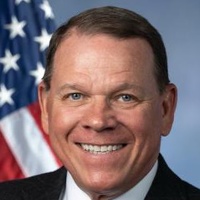
Sam Graves
Representative
MO
Sam Graves
Representative
MO
The Aviation Funding Solvency Act establishes a temporary mechanism to ensure the Federal Aviation Administration (FAA) can continue essential operations if Congress fails to pass regular appropriations. This allows the FAA Administrator to draw upon the Aviation Insurance Revolving Fund to maintain operations at the previous year's funding rate. The temporary funding ceases once a new appropriation or continuing resolution is enacted. The bill also makes a technical amendment regarding non-premium war risk insurance.
This bill expedites naturalization for military personnel, ensures timely family reunification, provides status adjustment relief for active duty families, and limits removal proceedings against service members and veterans.
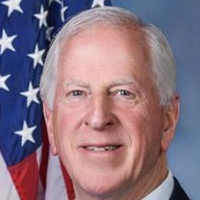
Mike Thompson
Representative
CA
Mike Thompson
Representative
CA
The Support and Defend Our Military Personnel and Their Families Act aims to improve immigration pathways for service members and their families. It facilitates expedited naturalization for those who served in contingency operations and adjusts service requirements for others seeking citizenship. Furthermore, the bill provides mechanisms for the timely reunification and status adjustment of immediate family members of active duty personnel, and establishes protective factors to consider before initiating removal proceedings against service members and veterans.
This bill mandates the revision of the Standard Occupational Classification system to establish a distinct code for Direct Support Professionals to better recognize their critical role in supporting individuals with disabilities.
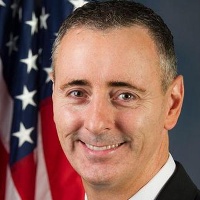
Brian Fitzpatrick
Representative
PA
Brian Fitzpatrick
Representative
PA
The Recognizing the Role of Direct Support Professionals Act aims to address the critical shortage and high turnover among Direct Support Professionals (DSPs) who assist individuals with intellectual and developmental disabilities. The bill mandates that the Office of Management and Budget review and revise the Standard Occupational Classification system to establish a distinct code for DSPs. This change will allow for more accurate labor market data collection to better support these essential workers. The Act does not authorize any new funding.
This Act mandates that labor organizations must secure a majority vote via secret ballot referendum from their members to ratify collective bargaining agreements or authorize strikes.
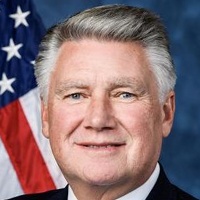
Mark Harris
Representative
NC
Mark Harris
Representative
NC
The Ask the Union Members Act mandates that labor organizations must secure approval from a majority of their members through a secret ballot referendum to ratify a collective bargaining agreement or authorize a strike. This ensures that major decisions affecting union members are approved directly by those members via a secret vote. These new requirements will take effect 18 months after the Act's enactment.
The AIM Act removes numerous existing statutory prohibitions and limitations on the Bureau of Alcohol, Tobacco, Firearms and Explosives (ATF) regarding firearms trace data, record consolidation, dealer inspections, license revocation standards, and the processing of certain import and FOIA requests.
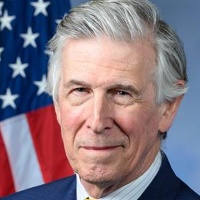
Donald Beyer
Representative
VA
Donald Beyer
Representative
VA
The AIM Act primarily focuses on eliminating numerous existing statutory restrictions and prohibitions that currently limit the Bureau of Alcohol, Tobacco, Firearms and Explosives (ATF) in its operations. This includes removing limitations on the use and analysis of firearms trace data and allowing for the consolidation of dealer records. Furthermore, the bill removes requirements for the destruction of background check records and eases restrictions on the ATF's ability to inspect dealer inventories and deny or revoke Federal Firearms Licenses.
This bill amends ERISA to establish stricter pleading standards, implement discovery stays pending preliminary motions, and mandate document preservation in civil actions alleging fiduciary breaches.
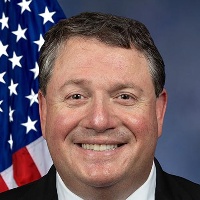
Randall Fine
Representative
FL
Randall Fine
Representative
FL
The ERISA Litigation Reform Act amends the Employee Retirement Income Security Act to establish stricter pleading standards for civil actions alleging fiduciary breaches, particularly concerning prohibited transactions. It mandates a stay on discovery proceedings while certain preliminary motions are pending in federal court. Furthermore, the bill requires parties to preserve relevant documents during this discovery stay, subject to potential sanctions for willful failure to comply.
This bill reauthorizes and expands funding for the Wildlife Crossings Program through 2031, removes the "pilot" designation, and establishes 100% federal cost-share and technical assistance for projects led by Indian Tribes.
Donald Beyer
Representative
VA
Donald Beyer
Representative
VA
The Wildlife Road Crossings Program Reauthorization Act of 2025 extends and expands federal funding for wildlife crossing infrastructure through 2031. This legislation renames the existing pilot program, authorizes \$200 million annually for the program, and ensures 100% federal cost-sharing for projects led by Indian Tribes. Additionally, it establishes technical assistance to help tribes efficiently access these crucial wildlife safety funds.
This Act extends diplomatic privileges and immunities to the Gulf Cooperation Council mission under the authority of the President.
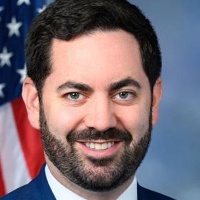
Michael Lawler
Representative
NY
Michael Lawler
Representative
NY
The Gulf Diplomacy Act authorizes the President to extend diplomatic privileges and immunities to the Gulf Cooperation Council (GCC) mission in the United States. This extension will align the GCC mission with the status granted to other diplomatic missions under existing law. The goal is to formally recognize and support the GCC's diplomatic presence.