Legislation
The POLAR Act establishes a dedicated Directorate for Polar Programs within the National Science Foundation to advance scientific research, infrastructure development, and workforce training in the Arctic and Antarctic.
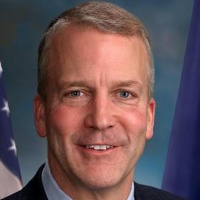
Dan Sullivan
Senator
AK
Dan Sullivan
Senator
AK
The POLAR Act establishes a dedicated Directorate for Polar Programs within the National Science Foundation to advance scientific research, workforce development, and infrastructure in the Arctic and Antarctic. This legislation centralizes the management of U.S. polar operations, ensuring a strategic, coordinated approach to logistical support, safety, and international collaboration. By prioritizing key research areas and fostering partnerships with indigenous communities and federal agencies, the Act aims to strengthen the United States' influential presence and scientific capabilities in both polar regions.
This bill expands eligibility, financial support, and service capabilities for rural emergency hospitals to ensure better healthcare access in underserved communities.

Jerry Moran
Senator
KS
Jerry Moran
Senator
KS
The Rural Emergency Hospital Designation Improvement Act aims to strengthen rural healthcare by expanding eligibility for rural emergency hospital (REH) status and enhancing financial support for these facilities. The bill introduces new payment incentives, allows for expanded service offerings like swing beds and specialized units, and ensures REHs are eligible for critical grant programs and Medicaid coverage. These measures are designed to increase the sustainability of rural hospitals and improve access to essential care in underserved communities.
This bill expands and standardizes comprehensive paid family and medical leave benefits across the federal government, including congressional, postal, and judicial branch employees.
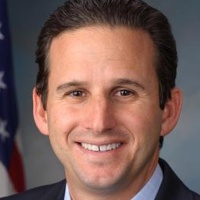
Brian Schatz
Senator
HI
Brian Schatz
Senator
HI
The Comprehensive Paid Leave for Federal Employees Act expands and standardizes paid family and medical leave across the federal government. This legislation increases leave flexibility for birth, adoption, and caregiving, while extending comprehensive coverage to congressional, postal, and District of Columbia court employees. By aligning these benefits, the bill ensures that a broader range of federal workers have access to consistent, paid leave for serious health and family needs.
This Act requires the Comptroller General to periodically assess and report on vulnerabilities, risks, and best practices regarding the integrity of federal funds administered by state and local governments.

Andy Kim
Senator
NJ
Andy Kim
Senator
NJ
The Government Audit and Accountability of Federally Funded State-Administered Programs Act requires the Comptroller General to conduct periodic assessments of federal funds managed by state and local governments. This initiative aims to identify systemic vulnerabilities to waste, fraud, and abuse while providing Congress and federal agencies with evidence-based recommendations to improve program integrity.
The STRONG GRID Act of 2026 promotes national energy resilience by establishing regulatory standards for microgrids, creating state-administered grant programs, and providing technical assistance to accelerate the deployment of innovative grid technologies.
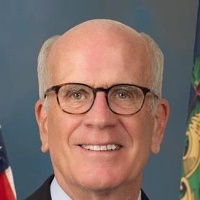
Peter Welch
Senator
VT
Peter Welch
Senator
VT
The STRONG GRID Act of 2026 aims to modernize the nation’s electric infrastructure by promoting the deployment of microgrids and enhancing grid resilience. The bill requires states to establish regulatory frameworks for microgrid interconnection and resilience valuation, while providing $700 million in federal funding for state-administered grants and innovative pilot projects. Additionally, it mandates that the Department of Energy provide technical assistance and develop best practices to help utilities and regulators integrate these advanced energy technologies.
The Federal Insurance Office Abolishment Act of 2026 terminates the Federal Insurance Office and its Director, reassigning or removing its associated regulatory responsibilities.

Ted Cruz
Senator
TX
Ted Cruz
Senator
TX
The Federal Insurance Office Abolishment Act of 2026 seeks to eliminate the Federal Insurance Office (FIO) and its associated Director position within the Department of the Treasury. The bill removes the FIO’s oversight and consultative roles from various financial regulations, including the Dodd-Frank Act, while ensuring that the Secretary of the Treasury retains existing authority over insurance-related matters.
This bill enhances the authority and operational independence of the National Taxpayer Advocate by expanding personnel oversight, ensuring access to essential IRS information, and protecting taxpayer assistance services during government funding lapses.
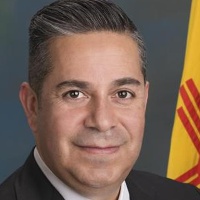
Ben Luján
Senator
NM
Ben Luján
Senator
NM
The Strengthening Taxpayer Advocacy Act enhances the independence and effectiveness of the National Taxpayer Advocate by expanding their authority over personnel and ensuring full access to IRS data, legal advice, and meetings. The bill also protects taxpayers by allowing for continued operations during government funding lapses to address economic hardships and removes provisions that previously paused time limits for taxpayers seeking assistance.
This legislation mandates the development of a comprehensive U.S. strategy and the establishment of an interagency task force to monitor, expose, and counter coercive "gray-zone" tactics employed by the People’s Republic of China.

Tammy Duckworth
Senator
IL
Tammy Duckworth
Senator
IL
The Countering Gray-zone Aggression by the People’s Republic of China Act mandates the development of a comprehensive U.S. strategy to monitor, expose, and counter coercive tactics used by the PRC that fall short of open warfare. The bill establishes an interagency task force to coordinate these efforts, enhance intelligence sharing with allies, and provide regular public reporting on PRC activities. Its primary goal is to deter regional aggression and strengthen the resilience of U.S. partners in the Indo-Pacific.
This Act creates an expedited process for U.S. allies to purchase and transfer specific defense munitions to Ukraine to support its defense against the Russian invasion.
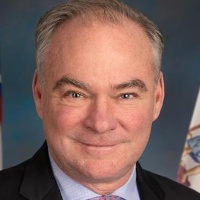
Timothy Kaine
Senator
VA
Timothy Kaine
Senator
VA
The Fast Tracking European Investment in Ukraine’s Defense Act creates an expedited process for key U.S. allies to purchase specific munitions for transfer to Ukraine. By bypassing standard congressional review requirements for these select defense articles, the bill aims to accelerate the delivery of critical military support to Ukraine. This initiative reinforces the U.S. commitment to facilitating international contributions to Ukraine's defense against the ongoing Russian invasion.
This bill mandates the inclusion of Otero and Eddy Counties in New Mexico into Veterans Integrated Service Network 17 to improve health care access for rural veterans.
Ben Luján
Senator
NM
Ben Luján
Senator
NM
The New Mexico Rural Veteran Health Care Access Act mandates that the Secretary of Veterans Affairs realign Otero and Eddy Counties into Veterans Integrated Service Network (VISN) 17. This adjustment aims to improve administrative coordination and health care access for veterans residing in these rural New Mexico communities.
The Fairness in Foreign Filing Act reforms IRS penalty procedures by requiring advance notice and an appeals process for specific foreign-related tax penalties while streamlining reporting requirements for foreign trusts.

Sheldon Whitehouse
Senator
RI
Sheldon Whitehouse
Senator
RI
The Fairness in Foreign Filing Act reforms how the IRS assesses and collects certain tax penalties, ensuring taxpayers receive advance notice and an opportunity for independent review before penalties are enforced. The bill also streamlines administrative requirements for foreign trust information returns. These changes aim to enhance taxpayer rights and provide a more transparent process for resolving penalty disputes.
The Title IX Clarification Act of 2026 amends federal law to define "sex," "female," and "male" based on biological reproductive characteristics within the context of federally funded educational programs.

Marsha Blackburn
Senator
TN
Marsha Blackburn
Senator
TN
The Title IX Clarification Act of 2026 amends the Education Amendments of 1972 to establish clear, biological definitions for the terms "sex," "female," and "male." These definitions are intended to provide legal clarity for educational institutions receiving federal financial assistance. The act takes effect immediately upon being signed into law.
The National Guard for National Service Act establishes a pilot program to integrate National Guard and Reserve members into national service initiatives focused on critical infrastructure, cybersecurity, disaster resilience, and workforce development.

John Hickenlooper
Senator
CO
John Hickenlooper
Senator
CO
The National Guard for National Service Act establishes a pilot program to integrate National Guard members with national service initiatives to bolster U.S. infrastructure and security. This program focuses on enhancing cybersecurity, improving disaster preparedness, and protecting critical systems. Additionally, it creates a structured workforce development pipeline to provide career pathways and financial stability for part-time National Guard and Reserve members.
The Green New Deal for Public Schools Act provides comprehensive federal funding to modernize school infrastructure into zero-carbon facilities, expand the educator workforce, and promote educational equity and climate resiliency in high-need communities.
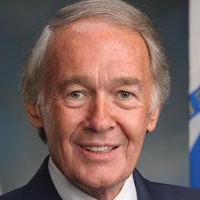
Edward Markey
Senator
MA
Edward Markey
Senator
MA
The Green New Deal for Public Schools Act provides a massive federal investment to modernize school infrastructure into healthy, zero-carbon facilities while expanding the educator workforce and reducing class sizes. The legislation prioritizes environmental justice and educational equity by directing significant funding to high-need districts and schools serving low-income students. Additionally, it establishes a resiliency program to transform schools into community hubs capable of supporting neighborhoods during climate-related disasters.
This resolution commends Mississippi Christian University on its 200th anniversary, honoring two centuries of academic, civic, and spiritual contributions to the state and nation.

Cindy Hyde-Smith
Senator
MS
Cindy Hyde-Smith
Senator
MS
This resolution honors Mississippi Christian University on its 2026 bicentennial, celebrating 200 years of academic, civic, and spiritual leadership. It recognizes the institution’s historic legacy as the state’s oldest college and its ongoing commitment to excellence in education and community service.
The Carbon Dioxide Removal Leadership Act of 2026 mandates that the Department of Energy procure and verify increasing amounts of atmospheric carbon dioxide removal, scaling up to 10 million metric tons annually by 2036.
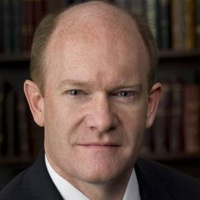
Christopher Coons
Senator
DE
Christopher Coons
Senator
DE
The Carbon Dioxide Removal Leadership Act of 2026 mandates that the Department of Energy procure increasing amounts of atmospheric carbon dioxide removal services, scaling up to 10 million metric tons annually by 2036. The bill establishes rigorous third-party verification standards, prioritizes projects that provide community and economic benefits, and sets declining price caps to drive technological innovation. Additionally, it requires a federal study to develop a strategy for achieving gigaton-scale carbon removal by 2050.
The Food Labeling Modernization Act of 2026 mandates comprehensive updates to food packaging, including front-of-package "high in" warnings, stricter ingredient disclosure, expanded allergen and gluten labeling, and new transparency requirements for online food sales.
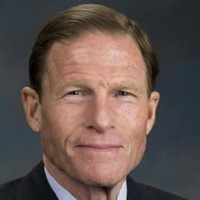
Richard Blumenthal
Senator
CT
Richard Blumenthal
Senator
CT
The Food Labeling Modernization Act of 2026 mandates comprehensive updates to food packaging to help consumers make more informed, healthy dietary choices. The bill introduces mandatory front-of-package "high in" icons for nutrients like sugar and sodium, stricter definitions for terms like "natural," and enhanced disclosure requirements for allergens, gluten, and caffeine. Additionally, it requires online food retailers to provide full labeling information and establishes new formatting standards to improve the readability and transparency of ingredient lists.
This Act expands the Shenandoah Valley Battlefields National Historic District into parts of West Virginia and additional Virginia counties while authorizing ongoing funding and administrative support for the region's preservation.

Jim Justice
Senator
WV
Jim Justice
Senator
WV
The Shenandoah Valley Battlefields National Historic District Boundary Expansion and Partnership Act of 2026 expands the existing historic district to include four additional counties across Virginia and West Virginia. This legislation updates the district's management framework, authorizes dedicated annual funding for operations and land preservation, and requires a report on replicating this successful partnership model elsewhere in the National Park System.
The Clean Water Allotment Modernization Act of 2026 updates the EPA’s formula for distributing federal clean water funding to states, territories, and tribes based on infrastructure needs, population, and poverty levels.
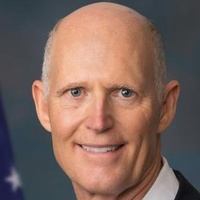
Rick Scott
Senator
FL
Rick Scott
Senator
FL
The Clean Water Allotment Modernization Act of 2026 updates the EPA’s formula for distributing federal clean water funding to states, territories, and Indian tribes. By prioritizing infrastructure needs, population data, and poverty levels, the bill ensures a more equitable and modern allocation of resources. Additionally, it streamlines administrative requirements and expands the eligible uses of state capitalization grants to better support water infrastructure projects.
The SERVE Act increases the post-employment lobbying and federal contracting ban for former members of Congress from one or two years to ten years.
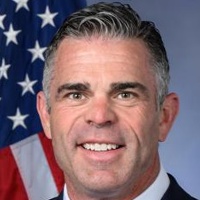
Tony Wied
Representative
WI
Tony Wied
Representative
WI
The Safeguarding Ethics and Restoring Voter Expectations (SERVE) Act aims to curb the influence of former lawmakers by significantly tightening post-employment restrictions. The bill imposes a 10-year ban on former Members of Congress from engaging in lobbying activities or accepting federal contractor positions after leaving office.