This omnibus resolution establishes a VA-PHS doctor scholarship, funds nonprofit theaters, mandates domestic plants in federal buildings, protects Native American seeds, extends small business R&D programs, requires post-terror attack security reports, places a statue of Benjamin Franklin in the Capitol, adjusts tax deductions for the fishing industry, prohibits AI impersonation of federal officials, sets House oversight rules, establishes a House code of conduct, and sets budgetary and appropriations rules.
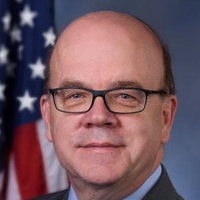
James "Jim" McGovern
Representative
MA-2
This comprehensive resolution establishes several new federal programs and policies, including a joint scholarship to train doctors for VA hospitals, grants to support nonprofit theaters, and protections for Native American seeds. It also includes provisions addressing AI impersonation of officials, mandates congressional oversight hearings, sets a code of conduct for the House, and directs specific appropriations and tax rule changes.
New Bill Funds $1 Billion Theater Grants, Extends Small Business Tech Programs, and Creates VA Doctor Pipeline
This omnibus Joint Resolution is basically a big legislative potluck, throwing together everything from arts funding to military doctor training and even a new rule about artificial intelligence. It touches on everything from your local theater’s budget to how small tech companies get federal contracts, and even the ethics rules for Congress.
The VA Doctor Pipeline: Education for Service
One of the biggest real-world impacts is tucked away in Title I, which sets up a new scholarship program to funnel medical professionals directly into the Veterans Affairs (VA) health system. The VA will pay for Public Health Service (PHS) officers to attend military medical school. The goal is clear: staff up VA hospitals and clinics by creating a dedicated pipeline of doctors.
But here’s the fine print, the part that matters if you or someone you know considers this career path: once they graduate, these doctors must complete a period of obligated service at a VA facility. If they bail on that commitment, the financial hit is massive. They have to reimburse the VA twice the cost of their education and salary. While the VA can waive this penalty, that’s a huge financial risk hanging over anyone who doesn’t complete their service, essentially guaranteeing they staff the VA for years.
The $1 Billion Lifeline for the Arts
For the culture sector, Title II is a game-changer. It creates a new federal grant program for professional nonprofit theaters, authorizing $1 billion annually from 2024 through 2028. This money isn’t just for big-city venues; it targets theaters that have faced financial hardship or those serving communities limited by geography, race, or economics.
If you work in the arts, this bill comes with important conditions. To get the grant money, theaters must agree to maintain existing union contracts, remain neutral if employees try to organize a union, and pay professional staff a prevailing minimum wage. This is a direct injection of cash paired with specific labor protections, meaning the funding isn't just about keeping the lights on—it's about protecting the people who work there.
Stability for Small Tech Businesses
If you run a startup or a small R&D firm, pay attention to Title V. This section extends and expands the authority for federal agencies to fast-track funding through the Small Business Innovation Research (SBIR) and Small Business Technology Transfer (STTR) programs. This is a big deal because it means more agencies can directly award “Phase II” research grants to small businesses without the usual bureaucratic delay. The authority is extended through 2030, providing long-term stability for businesses relying on these federal contracts to develop new technologies.
New Rules for AI and Congressional Ethics
This resolution also tackles modern challenges and internal government conduct. Title IX creates a new federal crime: using AI to impersonate federal officials. The penalty is a fine and up to three years in prison. The good news for content creators is that satire and parody are explicitly protected, but only if they include a clear disclaimer that the content is fake. Basically, if you’re using AI to make a funny video about the President, you need a big, obvious label on it to avoid trouble.
Meanwhile, Title XI addresses ethics in the House of Representatives by creating a binding Code of Conduct. It explicitly bans Members and staff from accepting any payment or benefit that is linked to the improper use of their official position. This aims to close loopholes where influence might be traded for indirect financial gain, strengthening accountability for everyone working on Capitol Hill.
Finally, the bill includes some very specific, targeted provisions. Title VIII gives a tax break to commercial fishing operators by allowing them to fully deduct the cost of meals provided to crews on vessels or at remote northern processing plants—a nod to the unique, isolated nature of that work. And in a highly specific nod to domestic agriculture, Title III requires that all cut flowers and greens displayed in the public areas of the White House, State Department, and Defense Department must be grown in the U.S., its territories, or tribal lands. It’s a very niche “Buy American” rule for federal floral arrangements.