Legislation
This act establishes the United States Commission on Human Dignity, an independent advisory body tasked with providing ethical guidance to the federal government regarding the impact of emerging technologies on human rights and dignity.

Ted Cruz
Senator
TX
Ted Cruz
Senator
TX
The Human Dignity and Emerging Technologies Act establishes an independent, bipartisan commission to provide the federal government with ethical guidance on emerging technologies like artificial intelligence. This advisory body is tasked with monitoring scientific developments to ensure they align with the protection of human dignity, particularly in the context of global competition. The Commission will produce annual reports and policy recommendations to help shape responsible federal science and technology policy through 2032.
The GRACE Act prohibits federal education funding for institutions that do not provide a simple, documentation-free religious exemption for mandatory vaccination policies.
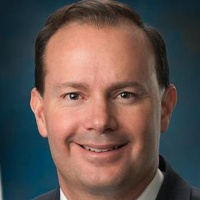
Mike Lee
Senator
UT
Mike Lee
Senator
UT
The GRACE Act (Guaranteeing Religious Accommodation in Childhood Education Act) prohibits educational institutions from receiving federal funding if they enforce vaccination requirements without providing a simple, documentation-free religious exemption. Under this bill, schools must allow individuals to opt out of vaccination mandates based solely on a sincerely held religious belief.
The Supreme Court Ethics Act mandates the creation of a formal code of conduct for Supreme Court justices, establishes an independent Ethics Investigations Counsel to oversee compliance, and requires public disclosure of recusal decisions.

Christopher Murphy
Senator
CT
Christopher Murphy
Senator
CT
The Supreme Court Ethics Act mandates that the Supreme Court and the Judicial Conference establish formal codes of conduct for all federal judges and justices. The bill creates an independent Ethics Investigations Counsel to oversee compliance, investigate potential violations, and issue annual public reports. Additionally, it requires Supreme Court justices to publicly disclose their reasoning when recusing themselves from a case or denying a motion for recusal.
The Local Input Act mandates that the Secretary of the Interior meaningfully engage the public, states, Tribes, and local governments before finalizing any oil or gas leasing decisions on federal lands.
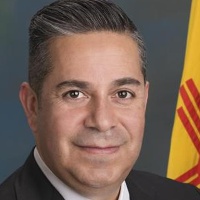
Ben Luján
Senator
NM
Ben Luján
Senator
NM
The Local Input Act requires the Secretary of the Interior to engage in a transparent public process before offering federal land for oil and gas leasing. This legislation mandates the disclosure of environmental and land-use impacts, ensuring that the public, state and local officials, and Tribal governments have a meaningful opportunity to provide input. Ultimately, the Secretary is empowered to use this feedback to decide against leasing specific parcels of land.
The SHIELD Our Elections Act strengthens election integrity by establishing civil remedies for voter intimidation, extending statutes of limitations for election crimes, restricting the seizure of election materials, and providing grants for state ballot tracking programs.

Alejandro Padilla
Senator
CA
Alejandro Padilla
Senator
CA
The SHIELD Our Elections Act strengthens election integrity by establishing a private right of action against voter intimidation and extending the statute of limitations for election-related crimes. The bill also protects election records by restricting the seizure of voting materials and provides federal grants to states to implement comprehensive, transparent absentee ballot tracking programs.
The Harley Jacobsen Clinical Trial Participant Income Exemption Act of 2026 excludes clinical trial compensation from federal income tax and ensures these payments do not disqualify participants from receiving federal assistance.
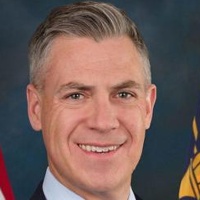
Jim Banks
Senator
IN
Jim Banks
Senator
IN
The Harley Jacobsen Clinical Trial Participant Income Exemption Act of 2026 ensures that compensation received for participating in medical research is tax-exempt. Additionally, the bill mandates that these payments cannot be counted as income or resources when determining an individual's eligibility for federal assistance programs. This legislation aims to remove financial barriers for those contributing to vital clinical trials.
The Eleanor Smith Inclusive Home Design Act of 2026 mandates that all new single-family homes and townhouses built with federal financial assistance include at least one visitable, accessible floor for individuals with mobility disabilities.

Tammy Duckworth
Senator
IL
Tammy Duckworth
Senator
IL
The Eleanor Smith Inclusive Home Design Act of 2026 mandates that all new single-family homes and townhouses built with federal financial assistance include at least one floor designed to be accessible to individuals with mobility disabilities. By requiring "visitability" standards—such as step-free entrances and accessible bathrooms—the Act ensures that new federally-funded housing is inclusive and usable for all. The legislation includes robust enforcement mechanisms, allowing for both government oversight and private legal action to ensure compliance with these accessibility requirements.
The Increasing Mental Health Options Act of 2026 expands Medicare incentives for psychologists in underserved areas and removes physician oversight requirements for behavioral health services to improve patient access to care.
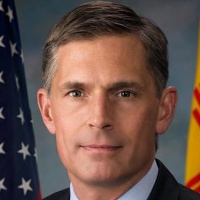
Martin Heinrich
Senator
NM
Martin Heinrich
Senator
NM
The Increasing Mental Health Options Act of 2026 aims to improve access to behavioral healthcare by expanding Medicare incentive payments to clinical psychologists working in underserved rural areas. Additionally, the bill removes unnecessary physician oversight requirements for psychological services in various clinical settings, allowing psychologists to manage patient care directly where permitted by state law.
This bill mandates a six-year extension for the sale of the Alzheimer’s semipostal stamp, with all proceeds dedicated to funding medical research at the National Institutes of Health.
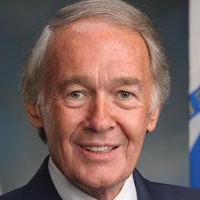
Edward Markey
Senator
MA
Edward Markey
Senator
MA
This bill mandates that the United States Postal Service continue selling the Alzheimer’s semipostal stamp for an additional six years. Proceeds from these sales will be transferred to the National Institutes of Health to support ongoing medical research into Alzheimer’s disease.
The Fairness for Immigrant Families Act of 2026 aims to keep families together, reduce deportations, combat immigration fraud, and strengthen community trust by expanding legal protections and increasing oversight of enforcement actions.

Catherine Cortez Masto
Senator
NV
Catherine Cortez Masto
Senator
NV
The Fairness for Immigrant Families Act of 2026 aims to keep families together by reducing deportations, eliminating restrictive reentry bans, and expanding pathways to legal status for long-term residents. The bill also establishes robust protections against immigration fraud, mandates greater transparency in agency processing, and fosters community trust by shielding crime victims and witnesses from enforcement actions. Together, these measures prioritize family unity and legal accountability while strengthening protections for vulnerable immigrant populations.
This bill mandates that the SEC and CFTC replace automatic disqualifications with a standardized, case-by-case review process to ensure regulatory fairness and consistency.

Jim Justice
Senator
WV
Jim Justice
Senator
WV
The Digital Equities and No Automatic Disqualifications Act eliminates automatic disqualifications under securities and commodities laws, replacing them with a standardized, case-by-case review process. This legislation requires the SEC and CFTC to establish joint rules ensuring that disqualifications are only applied when necessary, appropriate, and supported by a thorough assessment of the specific circumstances.
The PROTECT Act of 2026 mandates strict age and consent verification for online pornographic content, establishes civil and criminal penalties for non-compliance, and requires platforms to prevent the reupload of flagged intimate imagery.
Mike Lee
Senator
UT
Mike Lee
Senator
UT
The PROTECT Act of 2026 mandates that online platforms hosting pornographic content implement rigorous age and identity verification for users and obtain explicit, documented consent from every individual depicted in such media. The bill establishes significant civil and criminal penalties for platforms and users that fail to comply with these requirements. Additionally, it strengthens existing law by requiring platforms to actively prevent the re-uploading of flagged intimate visual depictions.
This bill amends the Internal Revenue Code to mandate supervisory or office-level approval for IRS tax penalties and credit disallowances while requiring increased transparency through annual reporting on penalty enforcement.

Michael Bennet
Senator
CO
Michael Bennet
Senator
CO
This bill amends the Internal Revenue Code to require supervisory or departmental approval before the IRS can impose tax penalties or credit-blocking disallowance periods. It mandates that these approvals be secured prior to issuing appealable notices to taxpayers, while providing an exception for penalties calculated through automated systems. Additionally, the legislation requires the Treasury to publish annual reports detailing IRS penalty data and enforcement outcomes to increase transparency.
This bill improves transparency and taxpayer rights by requiring the IRS to provide clear notice for tax credit denials and granting the U.S. Tax Court authority to review multi-year bans on claiming major tax credits.
Michael Bennet
Senator
CO
Michael Bennet
Senator
CO
This bill improves transparency and fairness for taxpayers by requiring the IRS to provide clear, detailed notices when denying major tax credits like the Child Tax Credit and Earned Income Tax Credit. It grants the U.S. Tax Court authority to review multi-year bans on these credits and shifts the burden of proof to the IRS to justify such penalties. Additionally, the legislation protects taxpayer rights by suspending refund deadlines while these cases are under judicial review.
This act authorizes the EPA to expand the use of portable air quality sensors in rural and underserved communities to better monitor and mitigate the health risks associated with wildfire smoke.

Jacky Rosen
Senator
NV
Jacky Rosen
Senator
NV
The Wildfire Air Quality Sensor Expansion Act of 2026 aims to improve air quality monitoring in rural and remote communities threatened by wildfire smoke. The bill authorizes the EPA to provide grants, technical assistance, and expanded loan programs to help local agencies deploy portable air sensors. By increasing data collection in underserved areas, this legislation seeks to better protect public health from the harmful effects of wildfire smoke.
The CORE Pacific Act mandates a feasibility report on embedding Department of State consular officers within U.S. Coast Guard and Navy missions to improve consular service delivery across Pacific Island nations.
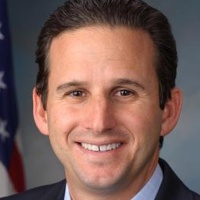
Brian Schatz
Senator
HI
Brian Schatz
Senator
HI
The CORE Pacific Act aims to strengthen U.S. relations with Pacific Island nations by exploring more efficient ways to deliver consular services. The bill mandates a comprehensive report evaluating the feasibility of embedding State Department consular officers onto U.S. Coast Guard and Navy vessels operating in the region. This initiative seeks to improve access to essential services for citizens in areas currently underserved by U.S. embassies.
This bill strengthens the CFTC whistleblower program by increasing the Customer Protection Fund cap, expanding whistleblower definitions and anti-retaliation protections, and establishing mandatory deadlines for the timely processing of award claims.

Charles Grassley
Senator
IA
Charles Grassley
Senator
IA
The CFTC Whistleblower Protection and Program Improvement Act of 2026 strengthens the agency’s whistleblower program by increasing the Customer Protection Fund cap and expanding the scope of eligible whistleblower awards. The bill enhances anti-retaliation protections for employees, mandates whistleblower rights training for registered entities, and establishes strict deadlines for the timely processing of award claims. These measures aim to provide more robust support for individuals who report misconduct in the commodities and futures markets.
The Tribal Access to Nutrition Assistance Act of 2026 allows households to simultaneously participate in both the Food Distribution Program on Indian Reservations and the Supplemental Nutrition Assistance Program (SNAP).
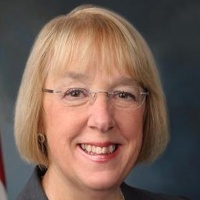
Patty Murray
Senator
WA
Patty Murray
Senator
WA
The Tribal Access to Nutrition Assistance Act of 2026 removes barriers to food security by allowing eligible households to participate in both the Food Distribution Program on Indian Reservations (FDPIR) and the Supplemental Nutrition Assistance Program (SNAP) simultaneously. This legislation ensures that tribal members have greater flexibility and access to essential nutrition assistance.
The RESULTS Act of 2026 establishes a competitive grant program to help states modernize and integrate longitudinal data systems that connect early childhood education, K-12, postsecondary, and workforce data to improve decision-making and employment outcomes.

Lisa Blunt Rochester
Senator
DE
Lisa Blunt Rochester
Senator
DE
The RESULTS Act of 2026 establishes a competitive grant program to help states modernize and integrate their longitudinal data systems, connecting information from early childhood education through workforce training and employment. By fostering secure, cross-sector data collaboration, the bill aims to provide policymakers, educators, and the public with the insights needed to improve educational outcomes and career readiness. Additionally, the legislation enhances state access to national employment data to better track and report on workforce development performance.
The Retirement Simplification and Clarity Act allows workers age 50 and older to perform in-service rollovers of employer 401(k) contributions into annuities while establishing a simplified safe harbor for distribution disclosures.

Roger Marshall
Senator
KS
Roger Marshall
Senator
KS
The Retirement Simplification and Clarity Act empowers workers aged 50 and older to move employer-contributed 401(k) funds into individual retirement annuities while still employed. Additionally, the bill establishes a clear, plain-language safe harbor for plan administrators to ensure employees better understand their distribution and rollover options.