This resolution recognizes the disproportionate threat of air pollution and extreme heat to the maternal and infant health of Latinas and calls for rapid, equitable interventions.
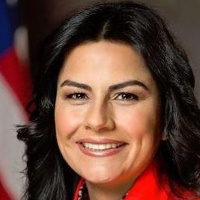
Nanette Barragán
Representative
CA-44
This resolution recognizes the severe threat that air pollution and extreme heat pose to maternal and infant health, particularly for Latina communities. It calls for the rapid and equitable development and deployment of interventions to address these unique environmental vulnerabilities. The House expresses the sense that policy changes must mitigate pollution sources and equip pregnant Latinas with tools to reduce exposure risks.
Resolution Calls for Bilingual Heat Alerts and Air Purifier Subsidies to Protect Pregnant Latina Mothers
This House Resolution officially recognizes a serious public health issue: the direct link between air pollution, extreme heat, and negative health outcomes for pregnant women and their babies. It specifically highlights that Latina mothers are disproportionately vulnerable, often living in the most polluted areas and facing higher risks of preterm birth, stillbirth, and postpartum depression. Think of this as a formal acknowledgment of the problem, laying the groundwork for future action.
The Environmental Equity Gap
For anyone juggling work and family, this resolution cuts straight to the core of environmental justice. It points out that immigrant and low-income communities of color are twice as likely to live in the most polluted counties. For Latina mothers, this risk is highest. The analysis isn't abstract—it cites studies showing that Latina mothers in California face a higher risk of stillbirth from ozone exposure. Furthermore, because many Latinos work in outdoor jobs, they face increased heat exposure, which doubles the risk of preterm birth or stillbirth compared to White women. This isn't just about bad luck; it’s about systemic factors like where housing is located and who works the most physically demanding jobs.
Practical Tools for Immediate Relief
The resolution doesn't just list problems; it pushes for highly practical solutions designed to help families right now. It supports providing place-based information in both English and Spanish about how pregnant women can reduce exposure to heat and pollution. This means easily accessible, bilingual public alerts for poor air quality and extreme heat, which is crucial for busy parents who need to know when it’s safest to be outside. It also advocates for increasing the affordability of air conditioning units and air purifiers, which would be a game-changer for families who can’t afford to cool or clean their air indoors.
Community Infrastructure and Support
Beyond individual tools, the resolution calls for community-level changes. It supports placing air quality monitoring systems directly in Latino communities to track pollution levels accurately. It pushes for expanding access to cooling centers and hydration stations, especially in public areas like bus stops, and creating more shaded, green spaces in low-income neighborhoods. For the outdoor workforce, it calls for enforcing regular work breaks, increasing access to hydration, and providing bilingual education on heat dangers, recognizing that policy needs to follow people where they actually work. Finally, it supports increasing access to Latina doulas, recognizing that culturally competent support is a vital piece of the puzzle.
What This Means for Future Policy
While this resolution is not a law and doesn’t immediately mandate funding, it establishes a clear mandate for future legislative action. It declares that policy and funding must address the unique physical and mental vulnerabilities of pregnant women and the social and economic injustices faced by Latina mothers. By explicitly calling for the mitigation of pollution causes and the deployment of preventative tools, it signals that lawmakers need to move beyond simply studying the problem and start implementing solutions that address environmental equity head-on. The challenge will be turning these aspirational goals—like mitigating pollution and making broad policy changes—into actual, funded programs.