Legislation
This act mandates that federally funded public colleges and universities must make opioid overdose rescue kits readily available across their campuses.
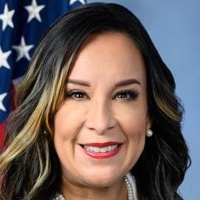
Mónica De La Cruz
Representative
TX
Mónica De La Cruz
Representative
TX
The Saving Lives on Campuses Act of 2026 mandates that public colleges and universities receiving federal funding must make opioid overdose rescue kits, containing medications like Naloxone, readily available across campus facilities. This legislation requires specific placement of these kits in classrooms, dormitories, and near existing AEDs, as well as registration and training for students. The goal is to ensure immediate access to life-saving overdose reversal medication wherever students and staff are present.
The PRIMATE Act generally bans the importation of live nonhuman primates into the U.S., with a narrow exception for accredited zoos and aquariums that certify the animals will not be used for experiments or testing.
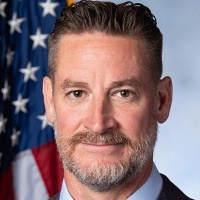
W. Steube
Representative
FL
W. Steube
Representative
FL
The PRIMATE Act generally bans the importation of live nonhuman primates into the United States to prevent toxic exposures. This prohibition includes a narrow exception allowing importation only by AZA-accredited facilities under strict conditions regarding the animal's future use. Violations of this ban are subject to significant civil penalties and forfeiture of the illegally imported primates.
This bill establishes grant programs to fund data-driven suicide prevention outreach for the general public and the development of AI-powered predictive models for veteran suicide risk assessment.
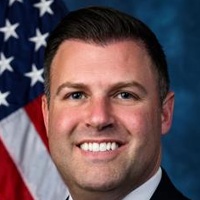
Ryan Mackenzie
Representative
PA
Ryan Mackenzie
Representative
PA
This act establishes grant programs to enhance suicide prevention efforts using data and technology. It directs HHS to fund agencies using data analysis for targeted outreach to at-risk individuals across the general population. Additionally, the VA must create a grant program for organizations to develop AI-driven predictive models to identify suicide risk factors among veterans.
This bill extends certain surveillance authorities under FISA through April 20, 2029, while adding a warrant requirement for targeting U.S. person communications and imposing new criminal penalties for misuse of collected data.
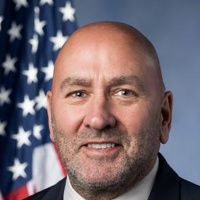
Clay Higgins
Representative
LA
Clay Higgins
Representative
LA
This bill extends key surveillance authorities under Title VII of FISA until April 20, 2029. It introduces significant new protections by requiring a warrant for targeting U.S. person communications under Section 702 and restricting how the FBI can use collected data. Furthermore, the legislation establishes new criminal penalties for unauthorized data queries and disclosures, and mandates attorney approval for certain FBI database searches.
This act establishes a framework for identifying, planning for, and conserving marine mammal populations in U.S. waters that are adversely affected by climate change.
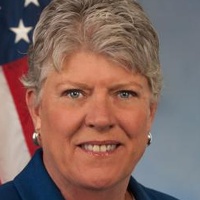
Julia Brownley
Representative
CA
Julia Brownley
Representative
CA
The Marine Mammal Climate Change Protection Act of 2026 amends existing law to mandate the identification of marine mammal species threatened by climate change. It requires the development of specific Climate Impact Management Plans to conserve and recover these at-risk populations. The bill also establishes a federal monitoring program to track climate impacts and ensures all agencies coordinate to support these conservation efforts.
This bill proposes a constitutional amendment to limit birthright citizenship under the 14th Amendment to children born in the U.S. to parents who are U.S. citizens, lawful permanent residents, or active-duty military personnel.
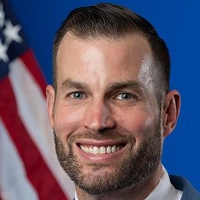
Clay Fuller
Representative
GA
Clay Fuller
Representative
GA
This proposed constitutional amendment seeks to clarify and limit birthright citizenship under the 14th Amendment. It specifies that only children born in the U.S. to a citizen, national, lawful permanent resident, or active-duty service member parent would automatically receive citizenship. Congress would be empowered to enforce these new standards.
This bill updates FDA regulations to include pregnant women in clinical trials, launches an education campaign on research for pregnant and lactating women, and directs NIH to prioritize funding for research on medications used by this population.

Kathy Castor
Representative
FL
Kathy Castor
Representative
FL
The Advancing Safe Medications for Moms and Babies Act of 2026 aims to improve medication safety for pregnant and lactating women. This bill directs the FDA to update regulations to encourage including these women in clinical trials. It also mandates an education campaign to raise awareness about relevant research and requires the NIH to prioritize and fund research on drugs used by this population.
This bill establishes programs for proactive mental health outreach to underserved veterans and mandates annual mental health consultations for veterans receiving disability compensation for service-connected mental health conditions, while also extending the expiration date for certain VA housing loan fee structures.
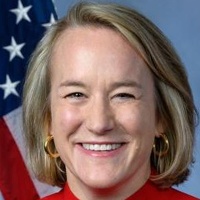
Nicole (Nikki) Budzinski
Representative
IL
Nicole (Nikki) Budzinski
Representative
IL
The VA Mental Health Outreach and Engagement Act establishes new programs to proactively connect veterans not currently receiving care with necessary mental health services, especially those at risk of suicide or homelessness. It also mandates annual mental health outreach and consultation offers for veterans already receiving disability compensation for a mental health condition. Finally, the bill extends the current fee structure for certain VA housing loans.
This bill expands Medicaid coverage for assisted living services and prioritizes Low-Income Housing Tax Credits for projects that reduce long-term care costs through non-institutional settings.

Max Miller
Representative
OH
Max Miller
Representative
OH
This bill amends Medicaid to mandate coverage for assisted living services starting in 2027 for eligible individuals, ensuring costs do not exceed current nursing facility rates. Additionally, it updates the Low-Income Housing Tax Credit criteria to prioritize housing projects that facilitate these non-institutional long-term care options. The goal is to expand access to assisted living while incentivizing cost-effective, community-based care.
This bill prohibits denying veterans' claims solely for missing a medical exam and mandates numerous improvements to VA claims processing, Board of Veterans Appeals efficiency, and quality assurance.
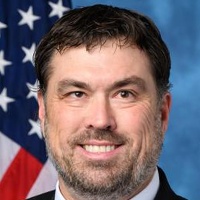
Morgan Luttrell
Representative
TX
Morgan Luttrell
Representative
TX
The Review Every Veterans Claim Act of 2025 aims to significantly improve the efficiency and fairness of the VA claims and appeals process. This bill prohibits the VA from denying a veteran's claim solely because they missed a medical examination and mandates comprehensive tracking and reporting on claim adjudication times. Furthermore, it introduces quality assurance programs, enhanced training for Board of Veterans' Appeals members, and new authority for the Board to aggregate related appeals.
This act establishes a Department of Agriculture program to provide loans and loan guarantees to stabilize financially distressed rural health care facilities and prevent the reduction of essential services.
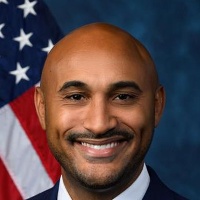
Shomari Figures
Representative
AL
Shomari Figures
Representative
AL
The Rural Health Resilience Act of 2026 establishes a stabilization assistance program within the Department of Agriculture. This program offers loans and loan guarantees to financially distressed rural health centers to prevent closures or service reductions. Assistance prioritizes facilities that are sole community providers or serve high-poverty areas. The funds can be used for operational costs, facility upgrades, and debt management to ensure continued essential care.
This bill establishes the "You Own the Data Act" (YODA) to grant users ownership over their data, restrict its sharing without consent, mandate user access and deletion rights, and impose strict limits on data collection and retention by covered entities.
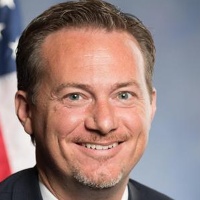
Michael Cloud
Representative
TX
Michael Cloud
Representative
TX
The You Own the Data Act (YODA) establishes that users own the data they create and grants them significant rights over how it is collected, used, and shared by commercial entities. This bill prohibits sharing user contacts without explicit written consent and mandates that companies provide users with access to, correction of, and the ability to delete their collected data. Furthermore, it imposes strict limits on data retention, requires clear privacy notices, and establishes enforcement mechanisms through the FTC, State Attorneys General, and a private right of action.
This act prohibits federal funding for state or local governments that substantially limit the use of cash bail for serious offenses.
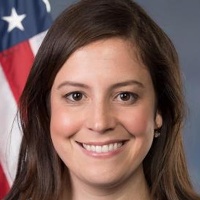
Elise Stefanik
Representative
NY
Elise Stefanik
Representative
NY
This bill, the "No Federal Funds for Cashless Bail Act," prohibits the federal government from providing grants to state or local jurisdictions that restrict the use of cash bail for individuals charged with serious offenses. These "covered offenses" include violent crimes and acts that promote public disorder. The restriction applies to any jurisdiction with a policy that substantially limits cash bail for these specific charges.
The Prove It Act establishes a formal process for small businesses to challenge agency claims about the economic impact of proposed rules and strengthens requirements for agencies to consider indirect costs on small entities.
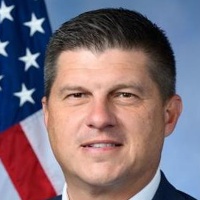
Brad Finstad
Representative
MN
Brad Finstad
Representative
MN
The Prove It Act aims to strengthen protections for small businesses against burdensome federal regulations. It establishes a formal process for small entities to challenge agency claims that a proposed rule will not significantly impact them. The bill also expands the required analysis of indirect costs and imposes consequences if agencies fail to periodically review existing rules on time.
This bill eliminates federal contracting preferences and goals based on race, ethnicity, and gender across various government agencies and programs.
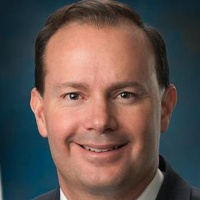
Mike Lee
Senator
UT
Mike Lee
Senator
UT
This bill, the "Ending Discrimination in Government Contracting Act," eliminates federal contracting preferences and goals based on race, ethnicity, or gender for small businesses. It repeals existing programs like the 8(a) Business Development program and revises transportation and energy contracting requirements. Ultimately, the legislation prohibits all federal agencies from considering race, ethnicity, or sex when awarding government contracts or grants.
This bill proposes a constitutional amendment to establish an 18-year term limit for Supreme Court justices.
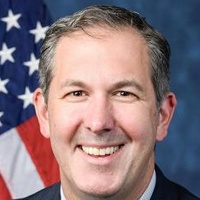
Johnny Olszewski
Representative
MD
Johnny Olszewski
Representative
MD
This proposed constitutional amendment seeks to establish an 18-year term limit for all Supreme Court justices. Once ratified, current justices who have already served 18 years or more would immediately vacate their seats. This measure aims to introduce regular turnover to the nation's highest court.
This bill disapproves of the CFPB's rule withdrawing guidance on deceptive marketing of remittance transfer speed or cost.
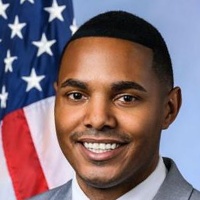
Ritchie Torres
Representative
NY
Ritchie Torres
Representative
NY
This bill expresses Congressional disapproval of the Consumer Financial Protection Bureau's (CFPB) decision to withdraw a previous circular concerning deceptive marketing practices related to the speed or cost of remittance transfers. By disapproving the withdrawal rule, Congress effectively reinstates the original guidance. This action ensures the CFPB's original stance on deceptive remittance marketing remains in effect.
This resolution directs the House Oversight Committee Chair to sue Pamela J. Bondi to compel her testimony regarding the federal government's enforcement of sex trafficking laws related to the Jeffrey Epstein investigation.
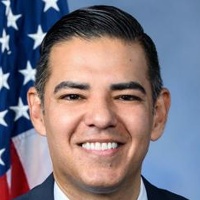
Robert Garcia
Representative
CA
Robert Garcia
Representative
CA
This resolution directs the House Oversight Committee Chair to initiate or intervene in a federal lawsuit within 30 days. The legal action must compel Pamela J. Bondi to comply with a committee subpoena for testimony regarding the DOJ's handling of records related to Jeffrey Epstein and sex trafficking law enforcement.
This resolution commends U.S. public servants for their dedication to defending the Constitution, delivering essential services, and supporting the economy, particularly during Public Service Recognition Week.
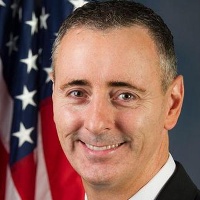
Brian Fitzpatrick
Representative
PA
Brian Fitzpatrick
Representative
PA
This resolution expresses the sense of the House of Representatives commending public servants for their dedication to defending the Constitution and delivering essential services to the American people. It specifically designates the week of May 3 through May 9, 2026, as Public Service Recognition Week. The bill honors the millions of federal, state, and local employees and uniformed service members who support the economy and democratic foundations of the nation.
This resolution recognizes the vital role of elementary and secondary school teachers in the nation's well-being and designates National Teacher Appreciation Week.
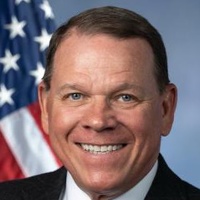
Sam Graves
Representative
MO
Sam Graves
Representative
MO
This resolution officially recognizes National Teacher Appreciation Week, May 4–8, 2026, to honor the vital role of elementary and secondary school teachers. It emphasizes their contribution to the nation's civic, cultural, and economic well-being. The bill encourages communities to show greater respect and appreciation for the teaching profession.