Legislation
This Act delegates federal management of oil, gas, and fisheries from 3 miles to 3 marine leagues offshore to Louisiana, Mississippi, and Alabama, provided they meet certain conditions.
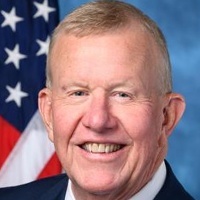
Mike Ezell
Representative
MS
Mike Ezell
Representative
MS
The Offshore Parity Act of 2026 aims to grant Louisiana, Mississippi, and Alabama expanded management authority over submerged lands extending out to three marine leagues from their coastlines. This delegation covers oil, gas, and other energy activities, allowing the states to manage new leases if they meet specific criteria within five years. Additionally, the Act extends state jurisdiction for fisheries management within these expanded waters, while preserving federal control over certain species and national security matters.
This bill requires the EPA Administrator to waive federal Reid Vapor Pressure limits on gasoline for the summer driving season of 2026.
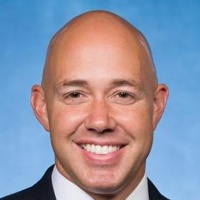
Brian Mast
Representative
FL
Brian Mast
Representative
FL
This bill mandates the Environmental Protection Agency (EPA) to waive federal Reid Vapor Pressure (RVP) requirements for gasoline during the summer driving season of 2026. This temporary waiver suspends restrictions on the sale and transport of gasoline exceeding standard RVP limits from May 1 to September 15, 2026.
This Act establishes grant programs to support career and technical education for clean energy jobs and to upgrade educational facilities with renewable energy practices.
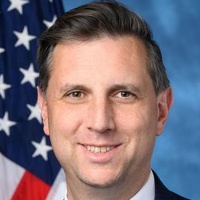
Seth Magaziner
Representative
RI
Seth Magaziner
Representative
RI
The Clean Energy Workforce Act establishes grant programs to bolster career and technical education for jobs in clean energy and related fields. These grants will support the development of specialized curricula and the modernization of educational facilities to align with renewable energy practices. The goal is to prepare students for in-demand careers in climate change mitigation, energy efficiency, and renewable energy sectors.
This act expands existing Rural Development loan and grant programs to allow animal shelters and veterinary clinics in rural areas to access federal funding for facility improvements.
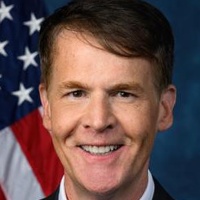
Jefferson Shreve
Representative
IN
Jefferson Shreve
Representative
IN
The Rural Animal Shelter Investment Act expands existing Rural Development loan and grant programs to include animal shelters and veterinary clinics. This allows rural animal welfare and veterinary facilities to access federal funding for building, expanding, or equipping their operations. The bill amends current law to make these facilities eligible for the same essential community facility assistance available to other rural services.
This bill discharges federal parent loan repayment obligations if the student becomes permanently and totally disabled.
Seth Magaziner
Representative
RI
Seth Magaziner
Representative
RI
Domenic and Ed's Law amends the Higher Education Act to discharge federal parent loans if the student for whom the loan was taken becomes permanently and totally disabled. This cancellation applies to all outstanding parent loans under these specific disability conditions.
This bill authorizes the transfer of specific property at Camp Williams State Military Reservation in Lehi, Utah, to the Utah National Guard.
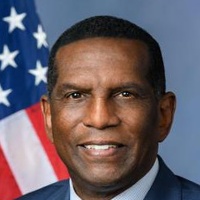
Clarence Owens
Representative
UT
Clarence Owens
Representative
UT
This bill authorizes the Secretary of the Army to convey three specific parcels of land at Camp Williams State Military Reservation in Lehi, Utah, to the Utah National Guard. The transfer is conditional, requiring the State of Utah to cover all associated costs and stipulating that the land must be used for National Guard training and readiness activities. If the property use changes, the federal government retains the right to reclaim ownership.
This bill authorizes the Secretary of State to provide direct loans and loan guarantees for foreign military financing and establishes reporting requirements for these activities.
Brian Mast
Representative
FL
Brian Mast
Representative
FL
The Foreign Military Financing Loan Authorization Act of 2026 authorizes the Secretary of State to provide direct loans and loan guarantees to foreign entities for purchasing U.S. defense articles and services. This legislation also permits the Department of State to use funds from the Foreign Military Sales Administrative Surcharge fund for related activities. Furthermore, it establishes an annual reporting requirement detailing the use and national security impact of these financing tools.
This Act establishes federal financial assistance, including loan repayment, to incentivize veterinarians to practice in rural and underserved areas while also expanding grant opportunities for veterinary services at 1890 Institutions.
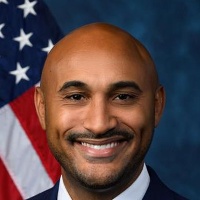
Shomari Figures
Representative
AL
Shomari Figures
Representative
AL
The Veterinary Education Equity Act aims to address veterinarian shortages in rural and underserved areas by establishing a federal student loan repayment program for practitioners who commit to serving in designated shortage areas for three years. The bill authorizes $50 million annually to fund this assistance, capping individual repayment at $75,000. Additionally, it amends existing law to prioritize grant funding for veterinary service projects at 1890 Institutions.
The FORGE Act establishes the Foundational Infrastructure for Responsible Use of Small Modular Reactor Technology (FIRST) program within the Department of State to promote the responsible international deployment of U.S. civil nuclear energy technology.
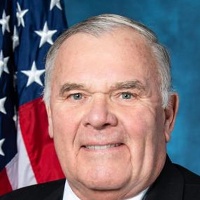
James Baird
Representative
IN
James Baird
Representative
IN
The FORGE Act establishes the Foundational Infrastructure for Responsible Use of Small Modular Reactor Technology (FIRST) program within the Department of State. This program aims to promote the responsible international deployment of U.S. civil nuclear energy, particularly Small Modular Reactors. It focuses on advocating for U.S. technology abroad while ensuring partner countries adhere to high safety and nonproliferation standards.
This bill mandates congressional approval via a joint resolution before the President can use specific exemptions under the Clean Air Act and repeals a delay in compliance for certain hazardous air pollutant sources.
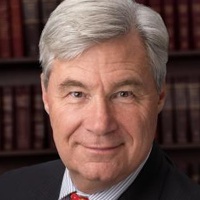
Sheldon Whitehouse
Senator
RI
Sheldon Whitehouse
Senator
RI
The No Passes for Polluters Act of 2026 establishes a rigorous new process requiring explicit congressional approval via a joint resolution before the President can utilize specific exemptions under the Clean Air Act. This bill targets exemptions related to federal agency emissions, fleet vehicle requirements, and ozone-depleting substances. Furthermore, it repeals a specific exemption that allowed certain sources to delay compliance with hazardous air pollutant standards.
This bill directs the Secretary of the Interior to convey approximately 21,578 acres of federal land within Denali National Park and Preserve to Doyon, Limited, subject to specific restrictions.

Lisa Murkowski
Senator
AK
Lisa Murkowski
Senator
AK
This bill, the Geese House Site Conveyance Act, directs the Secretary of the Interior to transfer approximately 21,578 acres of federal land within Denali National Park and Preserve to Doyon, Limited. The transfer is subject to specific restrictions, including prohibitions on selling the land to non-U.S. entities and limits on mining and development that could harm cultural sites. The Act also requires the corresponding boundary adjustment of Denali National Park and Preserve.
This Act expands eligibility for certain Small Business Administration (SBA) loans and bond guarantees to include specific non-citizens and individuals residing outside the U.S. if they meet established criteria.
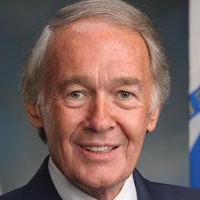
Edward Markey
Senator
MA
Edward Markey
Senator
MA
The Investing in the American Dream Act expands eligibility for key Small Business Administration (SBA) loans and surety bonds. This change allows businesses majority-owned by certain immigrants, non-citizens lawfully present in the U.S., and even some individuals residing abroad to access federal support. The bill ensures that businesses meeting ownership and location criteria are not denied SBA financing solely because of the status of their eligible owners.
This Act establishes the Build America, Buy America Compliance Act to strengthen domestic content requirements for federally assisted infrastructure projects and mandates regular reporting on its implementation by federal agencies.

Tammy Baldwin
Senator
WI
Tammy Baldwin
Senator
WI
This Act establishes the **Build America, Buy America Compliance Act** to reinforce existing "Buy America" laws for federally funded infrastructure projects. It emphasizes that these projects must use materials and products made in the United States to support domestic jobs and supply chains. Furthermore, it mandates regular, detailed reporting from federal agencies on their compliance efforts and the reduction of broad waivers to these domestic content requirements.
The Sound Science Act of 2026 updates the Toxic Substances Control Act to refine chemical testing standards, mandate risk minimization, and increase transparency and independent scientific review in EPA chemical risk evaluations.
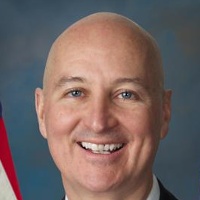
Pete Ricketts
Senator
NE
Pete Ricketts
Senator
NE
The Sound Science Act of 2026 updates the Toxic Substances Control Act to mandate more rigorous and transparent chemical testing and risk evaluation processes at the Environmental Protection Agency (EPA). It revises how the EPA assesses chemical risks, requiring consideration of existing standards and promoting greater consistency across federal agencies. Furthermore, the bill strengthens accountability by requiring public disclosure of relied-upon scientific assessments and mandating in-person peer review for chemical risk evaluations.
The ADVICE Act establishes a temporary advisory committee to recommend improvements for standardizing and integrating registered apprenticeship data across various state and federal systems.
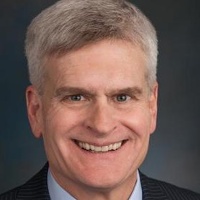
Bill Cassidy
Senator
LA
Bill Cassidy
Senator
LA
The ADVICE Act establishes an advisory committee within the Department of Labor to improve the standardization and integration of registered apprenticeship data across various state and federal systems. This committee will provide recommendations on how to better track apprenticeship outcomes, reduce reporting burdens, and increase data interoperability. Following the committee's report, the Secretary of Labor must develop a policy plan and seek funding to help states implement these data improvements.
This bill restricts noncitizens receiving federal benefits to repatriating no more than \$1,000 annually, enforced through a new Treasury verification database and penalties for individuals and financial institutions.
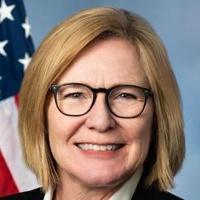
Michelle Fischbach
Representative
MN
Michelle Fischbach
Representative
MN
The Federal Benefits Repatriation Verification Act of 2026 restricts noncitizens receiving federal benefits from sending more than \$1,000 abroad annually. This bill establishes a Treasury database to track these repatriation transfers and requires financial institutions to verify compliance before processing transactions. Violations by individuals result in benefit ineligibility, while non-compliant institutions face significant civil penalties.
The Neighborhood Tree Act of 2026 establishes the Neighborhood Tree Fund to prioritize and fund projects that increase and improve urban tree canopy in underserved and heat-vulnerable communities.
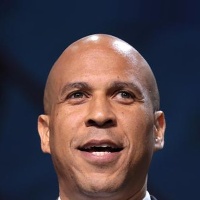
Cory Booker
Senator
NJ
Cory Booker
Senator
NJ
The Neighborhood Tree Act of 2026 establishes the Neighborhood Tree Fund to increase and improve urban tree canopies, prioritizing investments in underserved and high-heat communities. This legislation directs the Department of Agriculture to fund projects that enhance community health and climate resilience through tree planting and maintenance. The Act also updates the composition of the National Urban and Community Forestry Advisory Council to better reflect community needs.
This bill officially names the United States Chancery building in Pristina, Kosovo, the "Eliot L. Engel Building."
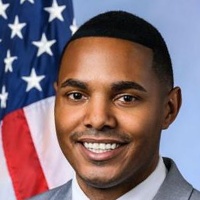
Ritchie Torres
Representative
NY
Ritchie Torres
Representative
NY
This bill officially designates the United States Chancery building in Pristina, Kosovo, as the "Eliot L. Engel Building." It ensures all official federal records are updated to reflect this new name.
This bill authorizes foreign military financing recipients to purchase defense articles and services directly from private U.S. companies, subject to State Department approval.
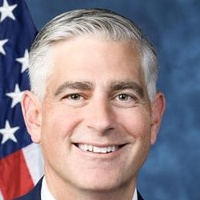
Michael Baumgartner
Representative
WA
Michael Baumgartner
Representative
WA
This bill amends the Arms Export Control Act to allow foreign military financing to be used for direct purchases of defense articles and services from private U.S. companies. This new authority requires approval from the Secretary of State and is intended to supplement, not replace, existing foreign military sales programs. The legislation mandates the creation of regulations for oversight, accountability, and compliance within 180 days of enactment.
This bill mandates the expansion of the 287(g) program, requiring federal agreements that deputize state and local police for immigration enforcement, and increases grant funding for participating jurisdictions.

Marsha Blackburn
Senator
TN
Marsha Blackburn
Senator
TN
The 287(g) Expansion Act aims to significantly broaden the authority of state and local law enforcement to enforce federal immigration laws through expanded 287(g) agreements. It mandates that the Department of Homeland Security enter into these agreements with any qualifying agency that requests one. Furthermore, the bill authorizes increased federal grant funding for jurisdictions that participate in this expanded immigration enforcement partnership.