Legislation
This bill mandates the State Department to train foreign officials in South and Central Asia on evaluating and mitigating risks associated with investments from adversarial foreign actors.
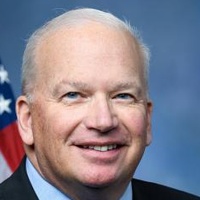
Scott Fitzgerald
Representative
WI
Scott Fitzgerald
Representative
WI
The Thwarting Regional Adversary Investments Now (TRAIN) Act mandates the Department of State to provide technical training to officials in friendly South and Central Asian nations. This training is designed to help them identify and mitigate legal and financial risks associated with accepting investments or loans from foreign adversaries. Furthermore, the Secretary of State must submit an annual report to Congress detailing the training provided and analyzing any new agreements signed by these countries with regional adversaries.
This bill directs the Secretary of State on matters including map and flag restrictions, establishes a technology acquisition pilot program, sets conditions for foreign assistance grants, mandates document access for audits, authorizes the reorganization of USAID, amends a provision of the Foreign Assistance Act, and establishes an "America First" training requirement for Foreign Service personnel.
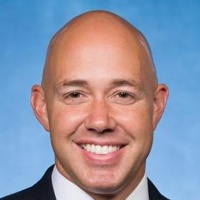
Brian Mast
Representative
FL
Brian Mast
Representative
FL
This bill directs the Secretary of State on various foreign affairs matters, including restricting flags displayed at State Department facilities and prohibiting the use of certain inaccurate maps. It also establishes a pilot program for advanced technology acquisitions and sets new compliance requirements for organizations receiving foreign assistance grants. Finally, the legislation authorizes the potential reorganization of USAID into the Department of State and mandates an "America First" training requirement for Foreign Service personnel.
This act repeals the federal prohibition on the civilian possession and transfer of machineguns.
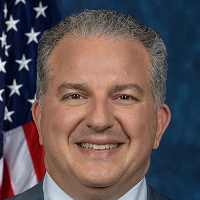
Jimmy Patronis
Representative
FL
Jimmy Patronis
Representative
FL
The Firearm Freedom Act of 2026 proposes to eliminate the federal prohibition on the civilian possession and transfer of machineguns. This is achieved by repealing the existing subsection of federal law that currently bans these firearms. The act effectively removes restrictions on machineguns for the general public.
This bill modernizes tax-exempt bond financing by expanding eligible manufacturing facilities, increasing issuance limits for qualified small issue bonds, and raising the financing cap for first-time farmers.
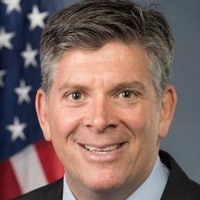
Darin LaHood
Representative
IL
Darin LaHood
Representative
IL
The Modernizing Agricultural and Manufacturing Bonds Act updates tax-exempt bond rules to support economic growth. It expands financing options and increases dollar limits for qualified small issue bonds used in manufacturing and production, including intangible property. Additionally, the bill significantly raises the financing limit for first-time farmers purchasing farmland and equipment. These provisions are subject to future inflation adjustments.
This bill advances menopause care and mid-life women's health by funding research, public education, provider training, and establishing centers of excellence.
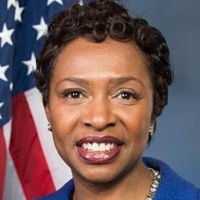
Yvette Clarke
Representative
NY
Yvette Clarke
Representative
NY
The Advancing Menopause Care and Mid-Life Women’s Health Act aims to significantly improve care for mid-life women by expanding federal research, public health promotion, and provider training related to menopause. The bill establishes national awareness programs and designates Centers of Excellence to enhance education and treatment resources. Overall, it seeks to address gaps in research, access to care, and provider knowledge concerning perimenopause, menopause, and related health conditions.
This bill establishes a dedicated Commercial Diplomatic Service within the Department of State to consolidate and strengthen commercial diplomacy efforts supporting American businesses abroad.
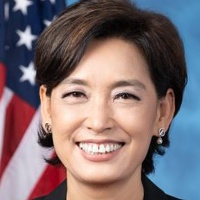
Young Kim
Representative
CA
Young Kim
Representative
CA
The BOOST American Business Act aims to strengthen U.S. commercial diplomacy by establishing a dedicated Commercial Diplomatic Service within the Department of State. This new service will focus on providing specialized support to American businesses seeking to compete in international markets. The bill consolidates fragmented commercial efforts under the Secretary of State and mandates specialized training and recruitment for these officers. Ultimately, the goal is to prioritize commercial advocacy within U.S. foreign policy to enhance economic security.
This Act allows taxpayers to carry back unused low-income housing tax credits for up to five prior years to offset past tax liabilities.
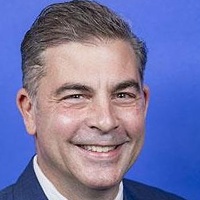
Mike Carey
Representative
OH
Mike Carey
Representative
OH
The Affordable Housing Credit Carryback Act amends the Internal Revenue Code to allow taxpayers to carry back unused Low-Income Housing Tax Credits for up to five years. This change enables businesses to apply these credits against taxes paid in prior years. The legislation specifically expands the five-year carryback provision, which was previously limited primarily to the marginal oil and gas well production credit.
This Act denies entry and mandates the removal of certain family members of designated foreign terrorist organizations, state sponsors of terrorism, and other adversarial actors.
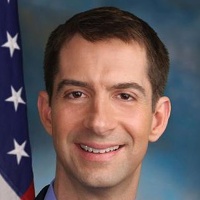
Tom Cotton
Senator
AR
Tom Cotton
Senator
AR
The No Safe Haven for Terrorist Families Act denies entry and mandates the removal of certain close relatives of designated terrorists, senior officials from state sponsors of terrorism, and sanctioned foreign adversaries. This legislation adds a new ground of inadmissibility and deportability to immigration law, applying retroactively to those already in the U.S. It also requires mandatory visa revocation and prioritizes removal proceedings for these individuals without eligibility for most forms of discretionary relief.
This Act restores overtime pay protections by phasing in higher minimum salary thresholds and tightening the duties test for executive, administrative, and professional employees exempt from federal overtime requirements.
Mark Takano
Representative
CA
Mark Takano
Representative
CA
The Restoring Overtime Pay Act of 2026 significantly updates overtime exemptions under the Fair Labor Standards Act. It establishes a phased-in, rising minimum salary threshold for executive, administrative, and professional employees to qualify for overtime exemption, eventually tying it to national earnings data. Additionally, the bill tightens the "duties test," reducing the amount of non-exempt work an employee can perform while remaining exempt from overtime pay. These changes aim to restore overtime eligibility to more salaried workers.
This act prohibits the imposition of the death penalty for any federal crime and mandates resentencing for those previously sentenced to death.

Ayanna Pressley
Representative
MA
Ayanna Pressley
Representative
MA
This Act, the Federal Death Penalty Prohibition Act, immediately bans the imposition of the death penalty for all federal crimes upon enactment. It also mandates that individuals previously sentenced to death for federal offenses must be resentenced.
This bill corrects retirement benefits for certain U.S. Customs and Border Protection Officers who received employment offers before July 6, 2008, ensuring they receive the minimum annuity amount and are exempt from mandatory retirement.
Brian Fitzpatrick
Representative
PA
Brian Fitzpatrick
Representative
PA
This bill, the US Customs and Border Protection Officer Retirement Technical Corrections Act, corrects retirement benefit issues for specific Customs and Border Protection (CBP) Officers who received employment offers before July 6, 2008. It ensures these "Eligible Individuals" receive the minimum annuity amount and are exempt from mandatory retirement age restrictions. The Act also mandates the Department of Homeland Security and OPM to implement these corrections and requires the GAO to review CBP's hiring practices related to retirement benefits.
This bill requires special immigrant visa applicants to disavow Sharia law and swear an oath to uphold the U.S. Constitution.
Barry Moore
Representative
AL
Barry Moore
Representative
AL
The CRUSADE Act amends immigration law to require applicants for special immigrant visas to take an oath disavowing Sharia law and affirming their commitment to the U.S. Constitution. This measure aims to counter radicalism by ensuring visa recipients adhere to American legal and constitutional principles.
The FAFO Act expands the federal definition of domestic terrorism to include acts that cause significant property damage and obstruct emergency personnel.
John McGuire
Representative
VA
John McGuire
Representative
VA
The FAFO Act, or Federal Accountability for Felony Obstruction Act, expands the federal definition of domestic terrorism. This change includes acts that cause significant property damage and obstruct law enforcement, first responders, or those seeking medical attention.
This Act establishes new research programs and a pilot project to study the impacts of traumatic birth experiences, PTSD, and midwife-driven care models on mothers, infants, and families, with required data disaggregation by race and ethnicity.
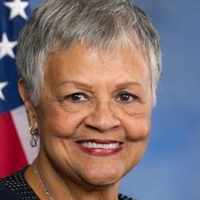
Bonnie Watson Coleman
Representative
NJ
Bonnie Watson Coleman
Representative
NJ
The Traumatic Births Research Act of 2026 aims to significantly increase research into the causes and impacts of traumatic birth experiences and associated Post-Traumatic Stress Disorder (PTSD) on mothers, infants, and families. The bill establishes new grant programs for this research, requiring data to be broken down by race and ethnicity. It also creates a pilot project to study how midwife-driven care models compare to standard medical models in affecting birth trauma and maternal mental health outcomes.
The One Giant LEAP Act mandates the establishment of an electronic portal for submitting, tracking, and managing all licenses and approvals related to commercial space launch activities.
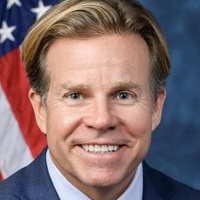
Mike Haridopolos
Representative
FL
Mike Haridopolos
Representative
FL
The One Giant LEAP Act mandates the establishment of a centralized electronic portal for processing all licenses and approvals related to commercial space launch activities. This system will streamline application submissions, track all communications, and provide transparency regarding key timelines and the status of each request. The goal is to modernize and expedite the federal review process for the commercial space industry.
This bill establishes a VA demonstration project to evaluate the fiscal impact of covering over-the-counter hearing aids for eligible veterans and directs a GAO study on current hearing aid benefits for veterans with mild-to-moderate hearing loss.
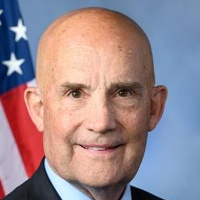
Keith Self
Representative
TX
Keith Self
Representative
TX
This bill mandates a two-year demonstration project by the VA to evaluate the fiscal impact and effectiveness of covering FDA-cleared over-the-counter hearing aids for eligible veterans compared to traditional prescription devices. Additionally, it directs the Comptroller General to study current hearing aid benefits for veterans with mild-to-moderate hearing loss and recommend potential program improvements. The overall goal is to assess new options for improving veteran access to hearing assistance.
This bill prohibits the U.S. Postal Service from finalizing or enforcing the proposed rule regarding the mailing of concealable firearms.

Haley Stevens
Representative
MI
Haley Stevens
Representative
MI
This bill, the Keep Illegal Handguns Out of the Mail Act of 2026, prevents the United States Postal Service from enacting or enforcing a proposed rule that would change the standards for mailing concealable firearms. In essence, it blocks the USPS from implementing new regulations regarding the mailing of handguns.
This act mandates that truck stops receiving federal funding prominently display public safety notices regarding human trafficking and suicide prevention.
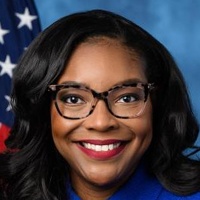
Emilia Sykes
Representative
OH
Emilia Sykes
Representative
OH
The Truck Stop Safety Act mandates that truck stop facilities receiving federal funding prominently display two essential public safety notices. These notices will provide critical information regarding human trafficking resources, including the National Human Trafficking Hotline, and suicide prevention resources, such as the 988 Suicide and Crisis Lifeline. This aims to increase awareness and access to vital support services for individuals at these locations.
This Act mandates that states guarantee independent legal representation for parents, guardians, and children involved in child protection proceedings to qualify for federal foster care and permanency payments.
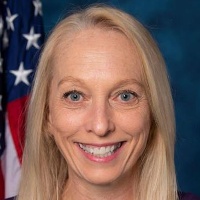
Mary Scanlon
Representative
PA
Mary Scanlon
Representative
PA
The Right to Representation Act mandates that states guarantee independent legal representation for both parents/guardians and children involved in child protection proceedings to ensure fair legal counsel. This requirement is tied to a state's eligibility for federal foster care and permanency payments. The bill also requires the Government Accountability Office (GAO) to report biennially to Congress on the implementation of these new standards.
This act transfers administrative responsibilities for the Authority under the Indian Tribal Regulatory Reform and Business Development Act of 2000 from the Secretary to the Secretary of the Interior upon enactment.
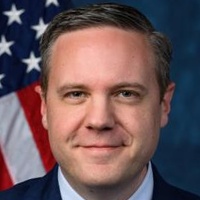
Jeff Hurd
Representative
CO
Jeff Hurd
Representative
CO
The Tribal Regulatory Reform Implementation Act of 2026 officially transfers all administrative responsibilities and jurisdiction concerning the Authority from the current Secretary to the Secretary of the Interior. This change is effective immediately upon the Act's enactment.