Legislation
This bill prohibits the use of federal funds to pay any claims submitted to the Anti-Weaponization Fund established by the Department of Justice.
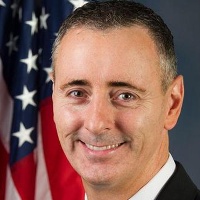
Brian Fitzpatrick
Representative
PA
Brian Fitzpatrick
Representative
PA
The Bipartisan Transparency for American Taxpayers Act prohibits the use of any federal funds, including those from the Judgment Fund, to pay claims submitted to the Anti-Weaponization Fund. This measure ensures taxpayer money is not used to cover payments from the fund established by the Department of Justice.
This bill creates significant, immediate tax depreciation deductions for owners of newly constructed, long-term residential rental housing to incentivize investment in the sector.

Linda Sánchez
Representative
CA
Linda Sánchez
Representative
CA
The Rental Housing Investment Act creates a significant, immediate depreciation deduction for owners of newly constructed, long-term residential rental properties. This incentive is designed to encourage the rapid development of new rental housing across the country. The benefit is enhanced for projects that include affordable housing units, though recapture rules apply if the property ceases to be used for rental housing within 10 to 15 years.
This bill officially renames the United States Postal Service facility at 324 Washington Avenue, Suite 1 in Grand Haven, Michigan, as the "Ell Thomas Simantz Post Office Building."
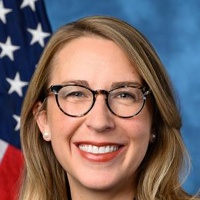
Hillary Scholten
Representative
MI
Hillary Scholten
Representative
MI
This bill officially renames the United States Postal Service facility located at 324 Washington Avenue, Suite 1 in Grand Haven, Michigan. The facility will now be known as the "Ell Thomas Simantz Post Office Building." This designation updates all official records and references to reflect the new name.
This act amends the Emergency Food Assistance Act of 1983 to preserve community food assistance programs.
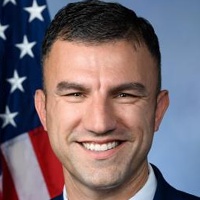
Rudy Yakym
Representative
IN
Rudy Yakym
Representative
IN
The Preserving Community Food Assistance Act of 2026 aims to amend the Emergency Food Assistance Act of 1983. This legislation focuses on updating eligibility or distribution criteria within existing food assistance programs. The specific changes involve inserting new language related to residency requirements in Section 202A(b)(4).
This bill expands eligibility for higher rates of regularly scheduled overtime pay to all U.S. Border Patrol agents from grade GS-12 through GS-15.
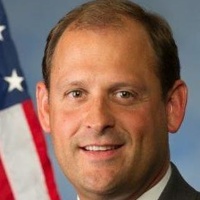
Garland Barr
Representative
KY
Garland Barr
Representative
KY
This act, the Border Patrol Supervisors Retention Act, expands eligibility for higher rates of regularly scheduled overtime pay for U.S. Border Patrol agents. Specifically, it extends these enhanced overtime rates to agents classified from grade GS-12 through GS-15. The goal is to improve retention among supervisory-level Border Patrol personnel.
This Act establishes mandatory minimum prison sentences for federal fraud offenses, with penalties increasing based on the dollar amount involved.

Ken Calvert
Representative
CA
Ken Calvert
Representative
CA
The Zero Tolerance for Fraudsters Act of 2026 establishes mandatory minimum prison sentences for federal fraud offenses based on the dollar amount involved. This legislation sets specific minimum terms, ranging from one to five years, for fraud involving amounts over one million dollars. The act aims to significantly increase penalties for major financial crimes, including mail fraud, wire fraud, and government fraud.
This Act prohibits federal funding for state and local jurisdictions that substantially eliminate cash bail for covered offenses, including violent crimes and looting.
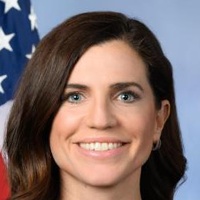
Nancy Mace
Representative
SC
Nancy Mace
Representative
SC
This Act prohibits the distribution of federal funds to state or local jurisdictions that have substantially eliminated cash bail for serious offenses, including violent crimes and sex offenses. The Attorney General is responsible for identifying these affected jurisdictions regularly. Jurisdictions can regain access to federal funding after a set period or once they reinstate cash bail options for covered offenses.
This bill exempts small domestic oil and gas marginal wells from specific Clean Air Act performance standards and reporting requirements set by the EPA.
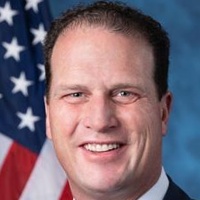
August Pfluger
Representative
TX
August Pfluger
Representative
TX
The Protect Domestic Oil and Gas Small Business Act of 2026 exempts small "marginal wells" from specific performance standards and reporting requirements set by the EPA under the Clean Air Act. This legislation aims to reduce regulatory burdens on these smaller oil and gas operations. The bill also mandates automatic approval for state plans that remove these standards for marginal wells.
The SCCOTUS Act establishes a randomly selected panel of 13 circuit judges to review all petitions for writs of certiorari, granting review only when specific criteria for resolving conflicts or settling important federal questions are met.
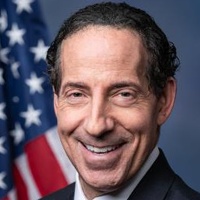
Jamie Raskin
Representative
MD
Jamie Raskin
Representative
MD
The SCCOTUS Act establishes a new Supreme Court Certification Panel composed of 13 randomly selected circuit judges to review all petitions for writs of certiorari. This panel must grant a petition with four concurring votes based on specific criteria, such as resolving circuit splits or clarifying important federal law. The Act aims to increase transparency by requiring the panel to issue public reports summarizing its certiorari decisions.
This bill, the REMITTANCE Act, drastically increases the excise tax on international money transfers to 25% while establishing a refundable tax credit for U.S. citizens paying the tax for business or travel purposes.

Chip Roy
Representative
TX
Chip Roy
Representative
TX
The REMITTANCE Act significantly increases the excise tax on international money transfers (remittances) from 1% to 25% and removes all existing exemptions. To offset this, the bill establishes a refundable tax credit for U.S. citizens who pay the tax for business or travel purposes. All revenue generated from this increased tax will be exclusively dedicated to reducing the federal deficit.
The SHADOW Act establishes new transparency requirements and stricter standards for the Supreme Court when issuing stays pending appeal or granting injunctions.
Jamie Raskin
Representative
MD
Jamie Raskin
Representative
MD
The SHADOW Act aims to increase transparency and establish new standards for the Supreme Court when issuing stays pending appeal or granting injunctions. It requires the Court or a Justice to provide written, public explanations for granting or denying these orders, detailing the specific harms and public interest considerations. Furthermore, the bill sets a high bar for issuing stays, requiring a showing of concrete, irreparable injury beyond the normal effects of the ruling.
This act directs the National Science Foundation to align federal biotechnology research investments with workforce development to address high-demand career areas and strengthen the U.S. biotechnology workforce.
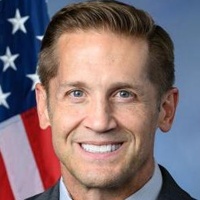
Rich McCormick
Representative
GA
Rich McCormick
Representative
GA
The Biotechnology Workforce Alignment Act of 2026 directs the National Science Foundation (NSF) to align federal biotechnology research investments with workforce development. This involves identifying high-demand job areas, building clear career pathways, and fostering partnerships between academia and industry. The NSF will track workforce shortages and report to Congress on the effectiveness of these efforts to ensure the U.S. maintains global leadership in biotechnology.
This Act establishes new requirements for dam and hydropower safety, financial viability for licensees, and enhanced communication between the Federal Energy Regulatory Commission (FERC) and states regarding dam maintenance and risk.

Debbie Dingell
Representative
MI
Debbie Dingell
Representative
MI
The National Dam and Hydropower Safety Improvements Act of 2026 strengthens federal oversight of dam safety for federally licensed projects. It mandates that all dams meet current safety requirements for continued operation and new licensing. The bill also establishes procedures to ensure license applicants have the financial ability to maintain dam safety and improves communication between the Federal Energy Regulatory Commission (FERC) and states regarding dam maintenance and risk.
The PLAN Act of 2026 establishes a comprehensive public education initiative to inform Americans about the importance of planning for future long-term care needs.
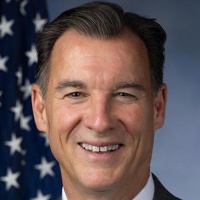
Thomas Suozzi
Representative
NY
Thomas Suozzi
Representative
NY
The PLAN Act of 2026 establishes a national public education initiative to inform Americans about the importance of planning for future long-term care needs. Managed by the Secretary of Health and Human Services, this effort will provide accessible, objective information on risks, planning options, and available resources for individuals and family caregivers. The initiative will utilize broad outreach methods, including digital media and community partnerships, to encourage advance planning before retirement. Funding will be authorized through amendments to the Older Americans Act of 1965.
This Act grants federal district courts jurisdiction to hear civil actions challenging the cancellation of federal grants when that cancellation is already subject to judicial review under the Administrative Procedure Act.
Jamie Raskin
Representative
MD
Jamie Raskin
Representative
MD
The Federal Funding Protection Act grants U.S. district courts the authority to review and potentially overturn federal agency decisions to cancel grants. This jurisdiction is specifically granted when the grant cancellation is already being challenged through the existing judicial review process under the Administrative Procedure Act.
This bill mandates the prominent display of the national motto, "In God We Trust," on every federal public building within one year of enactment.
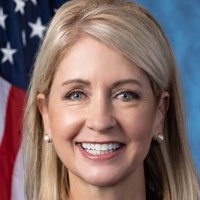
Mary Miller
Representative
IL
Mary Miller
Representative
IL
The "In God We Trust Act" mandates the prominent display of the national motto, "In God We Trust," on every federal public building. This requirement applies to all buildings owned or leased by the federal government within one year of the bill's enactment.
The FAST Act grants eligible federal law enforcement officers and their young family members free access to TSA PreCheck for expedited airport security screening.
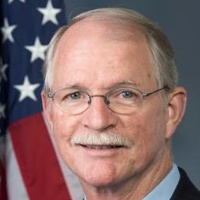
John Rutherford
Representative
FL
John Rutherford
Representative
FL
The FAST Act, or Federal Agents Secure Travel Act, makes eligible federal law enforcement officers and their accompanying family members under age 12 for free expedited security screening through the TSA PreCheck Program. This benefit is subject to policies established by the Transportation Security Administration Administrator.
This bill reauthorizes the regional innovation program through 2030, expanding its focus to improve capital access for innovation-based businesses and encouraging participation from distressed communities.

Haley Stevens
Representative
MI
Haley Stevens
Representative
MI
The Build to Scale Reauthorization Act of 2026 updates and extends the regional innovation program through fiscal year 2030. This legislation expands the program's focus to specifically improve capital access for innovation-based businesses in designated regions. It also redefines key organizational roles and directs outreach to ensure participation from entities in rural and economically distressed communities. The Act authorizes $50 million annually for these regional innovation initiatives.
This act permanently bars healthcare providers convicted of specific financial crimes related to their work from participating in federal health care programs like Medicare and Medicaid.
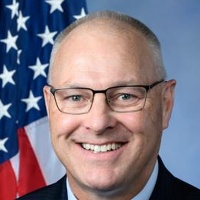
Pete Stauber
Representative
MN
Pete Stauber
Representative
MN
The Protecting Taxpayers from Fraudulent Providers Act of 2026 establishes mandatory, permanent exclusion from federal health care programs like Medicare and Medicaid for any provider convicted of specific fraud-related criminal offenses. This legislation amends the Social Security Act to immediately bar individuals or entities convicted of financial misconduct related to their work. The bill ensures that existing reinstatement and procedural rules for temporary exclusions will not apply to these permanent bans.
This Act establishes a federally funded research program to study the long-term health effects of nuclear radiation specifically on women and girls, including pregnant individuals.
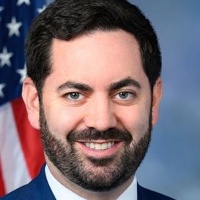
Michael Lawler
Representative
NY
Michael Lawler
Representative
NY
The Radiation Health Research Act establishes a new program within the NIH to study the specific health effects of nuclear radiation on women, including pregnant women and girls. This long-term research initiative requires regular reporting to Congress on findings and recommendations for a national strategy to minimize adverse health effects. The program emphasizes confidentiality and collaboration across various agencies and stakeholders.