Legislation
This bill extends nationwide concealed carry reciprocity to active-duty members of the Armed Forces who meet specific qualification requirements.
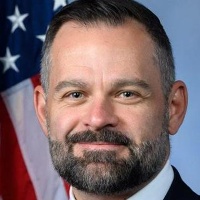
Cory Mills
Representative
FL
Cory Mills
Representative
FL
This bill expands nationwide concealed carry reciprocity to include active-duty members of the Armed Forces who meet specific qualification requirements. It amends existing law to grant this privilege to qualified service members, similar to that currently extended to qualified law enforcement officers. Individuals carrying under this provision must present valid military identification and proof of recent firearms qualification.
This Act establishes a grant program administered by the COPS Director to fund local, state, and tribal task forces in locating, investigating, and disrupting illegal opioid distribution.
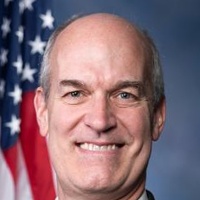
Rick Larsen
Representative
WA
Rick Larsen
Representative
WA
The End Fentanyl Trafficking with Local Task Forces Act of 2026 establishes a new grant program to fund local, state, and tribal entities in their efforts to locate, investigate, and disrupt illegal opioid distribution. The Attorney General, through the COPS Director, will award grants for hiring, training, equipment, and establishing or expanding multi-jurisdictional task forces. The legislation prioritizes support for Tribal law enforcement and task forces, authorizing $70 million annually from 2027 through 2031.
This act removes immunity for federal immigration officers facing state prosecution when their actions result in death or serious bodily injury.
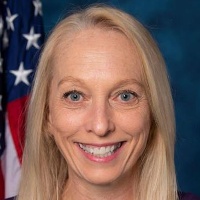
Mary Scanlon
Representative
PA
Mary Scanlon
Representative
PA
This act removes federal immunity for immigration law enforcement officers when their actions result in the death or serious bodily injury of another person. It allows state authorities to pursue criminal charges against federal officers for these specific severe violations of state law.
This act mandates that jurisdictions reporting on offenses to the FBI must include information on suspected gang-related crimes.
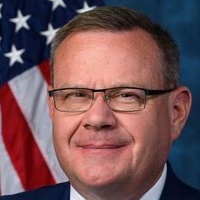
Tim Moore
Representative
NC
Tim Moore
Representative
NC
The Stop Gang Violence Act aims to enhance federal efforts against gang activity by expanding data collection requirements. This legislation mandates that jurisdictions reporting to the FBI must now include information on offenses suspected to be gang-related.
The Next GEN Act of 2026 shortens the Medicare drug price negotiation waiting period for qualifying engineered cyclic peptides from eleven years to seven years by treating them like small-molecule drugs.
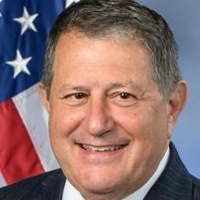
Joseph Morelle
Representative
NY
Joseph Morelle
Representative
NY
The Next GEN Act of 2026 reclassifies "engineered cyclic peptides" under Medicare's drug price negotiation program. This change shortens the eligibility timeline for these specific compounds from the 11-year period for biologics to the 7-year period applied to small-molecule drugs. This ensures faster negotiation potential for these next-generation therapeutics.
This Act amends the Foreign Service Act to extend post-employment benefits and streamline reappointment opportunities for Foreign Service members who separate from service, not just those who retire.
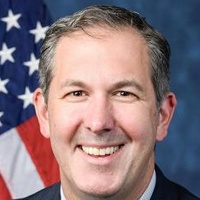
Johnny Olszewski
Representative
MD
Johnny Olszewski
Representative
MD
The Foreign Service Workforce Retention Act amends the Foreign Service Act of 1980 to extend reappointment opportunities and certain post-employment benefits to Foreign Service members who separate from service, not just those who retire. This legislation streamlines the process for former career members to return to service within five years of separation. Additionally, the bill mandates annual reporting to Congress on all recalls and reappointments made under these provisions.
This Act establishes a demonstration program to develop, implement, and evaluate evidence-based strategies for preventing youth suicide, prioritizing school-based interventions supported by rigorous data.
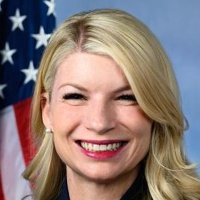
Brittany Pettersen
Representative
CO
Brittany Pettersen
Representative
CO
This Act establishes a demonstration program managed by the Secretary of Health and Human Services to develop, implement, and evaluate evidence-based strategies for preventing youth suicide, prioritizing school and youth settings. The program will fund interventions based on tiered evidence standards (strong, moderate, or promising) and require rigorous evaluation of outcomes like suicide attempts and academic success. Ultimately, the goal is to identify and expand effective suicide prevention approaches for children and adolescents nationwide.
This bill establishes a federal tax credit for manufactured home community owners who sell their properties to residents or qualifying nonprofit entities to ensure long-term affordability.

Ilhan Omar
Representative
MN
Ilhan Omar
Representative
MN
The Frank Adelmann Manufactured Housing Community Sustainability Act of 2026 establishes a significant federal tax credit to incentivize the sale of manufactured home communities to their residents or to qualified nonprofit entities. This credit equals 75% of the seller's qualified capital gain, provided the buyer commits to preserving the property as affordable housing for at least 50 years. The goal is to promote resident ownership models that stabilize site fees and protect long-term affordability for millions of manufactured home residents.
This act establishes a permanent, entitlement-based rental assistance program within Section 8 for low-income veteran families, with eligibility criteria that gradually expand over time.
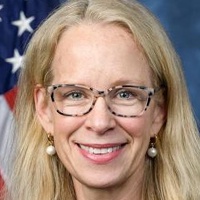
Kelly Morrison
Representative
MN
Kelly Morrison
Representative
MN
The Housing for All Veterans Act of 2026 establishes a permanent, federally funded rental assistance program specifically for low-income veteran families. This entitlement program gradually expands eligibility criteria over several years, ensuring that qualified veterans receive prompt housing assistance while prohibiting discrimination against voucher holders. The act mandates that this new funding supplements, rather than replaces, existing veteran housing support like HUD-VASH.
This act officially recognizes the National Guard Relief Foundation as a military welfare society under U.S. Code.
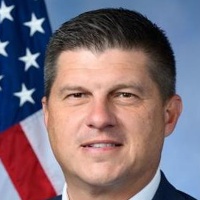
Brad Finstad
Representative
MN
Brad Finstad
Representative
MN
The National Guard Relief Act officially recognizes the National Guard Relief Foundation as a military welfare society. This designation amends Title 10 of the U.S. Code, granting the foundation the status afforded to other recognized military support organizations.
This bill creates an alternative path for rural hospitals serving military families and veterans to qualify for Critical Access Hospital designation, granting them enhanced Medicare payments and regulatory flexibility.
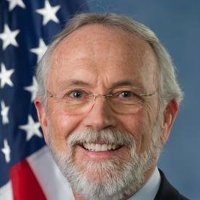
Dan Newhouse
Representative
WA
Dan Newhouse
Representative
WA
This Act creates an alternative pathway for certain rural hospitals serving military families and veterans to qualify as Critical Access Hospitals, granting them enhanced Medicare payments and regulatory flexibility. This designation is available to facilities that meet specific service criteria related to TRICARE and VA beneficiaries, even if they don't meet standard location requirements. Furthermore, qualifying hospitals can establish distinct psychiatric or rehabilitation units without standard bed-count restrictions.
This Act directs the Attorney General to develop and certify leadership training programs for police command-level personnel focused on strategy, critical incident response, wellness, and community trust.
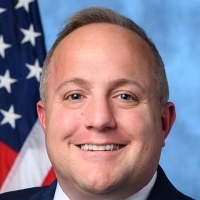
Russell Fry
Representative
SC
Russell Fry
Representative
SC
The Promoting Police Leadership Act directs the Attorney General to develop and certify high-quality training curricula focused on leadership, critical incident response, and community trust for command-level law enforcement personnel. This legislation mandates that training emphasizes practical, evidence-based problem-solving and peer learning. The Act also requires ongoing reporting to Congress on the implementation and effectiveness of these new national standards, while explicitly preserving the authority of state and local governments to maintain their own training requirements.
This Act makes non-citizens inadmissible or deportable for certain illegal hunting, trapping, or fishing violations.
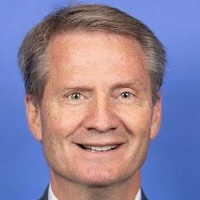
Tim Burchett
Representative
TN
Tim Burchett
Representative
TN
The Deporting Illegal Poachers Act introduces new immigration consequences for non-citizens convicted of certain hunting, trapping, or fishing violations. This bill makes individuals inadmissible to the U.S. or deportable if they have committed offenses such as hunting without a valid license or engaging in illegal hunting or fishing. These consequences apply regardless of whether the violation is classified as a misdemeanor or felony.
This bill strengthens the prohibition against using troops at polling places, expands enforcement mechanisms, and creates a private right to sue for violations.
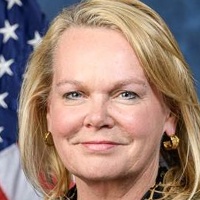
April McClain Delaney
Representative
MD
April McClain Delaney
Representative
MD
The Democracy Without Intimidation Act strengthens the federal prohibition against using troops at polling places by removing existing exceptions and establishing robust enforcement mechanisms. It mandates federal officers to prosecute violations of this ban and increases the authority of magistrate judges to swiftly handle related offenses. Furthermore, the bill creates a private right of action allowing harmed individuals to sue for injunctive relief against covered government officials.
This Act establishes a national plan to improve tornado detection and warning systems while creating grants for community resilience projects in high-risk areas.
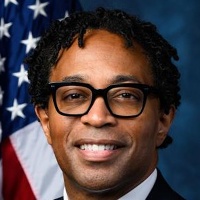
Wesley Bell
Representative
MO
Wesley Bell
Representative
MO
The Tornado Preparedness Act establishes a national plan to enhance tornado detection, forecasting, and warning systems through technological investment. It creates a FEMA grant program to help high-risk communities build resilient infrastructure like storm shelters and modernize local warning systems. The bill mandates coordination between NOAA and FEMA to improve preparedness and response across all levels of government.
This bill establishes a commission to study and recommend future uses, funding, and operational plans for the Arts and Industries Building on the National Mall.
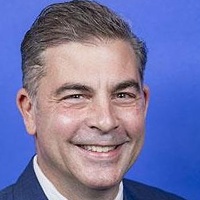
Mike Carey
Representative
OH
Mike Carey
Representative
OH
The No Wasted Space Act establishes a commission to study and recommend future uses for the Arts and Industries Building on the National Mall. This body will produce a report, a fundraising plan, and legislative recommendations within one year of its first meeting. The Commission is composed of nine non-federal members with relevant expertise and will terminate shortly after submitting its findings.
The AIPAC Act expands the definition of "foreign principal" under the Foreign Agents Registration Act to require U.S.-based entities whose advocacy furthers the interests of a foreign country to publicly disclose their activities.
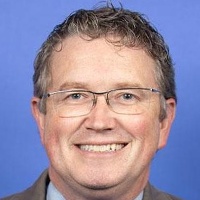
Thomas Massie
Representative
KY
Thomas Massie
Representative
KY
The AIPAC Act amends the Foreign Agents Registration Act (FARA) to expand the definition of a "foreign principal." This change targets U.S.-based organizations whose advocacy substantially furthers the political or economic interests of an identifiable foreign country or entity, even without direct foreign government funding. The bill also establishes a process allowing any U.S. citizen to file a complaint with the Department of Justice regarding potential FARA violations under this new definition.
This bill repeals the jurisdiction of the State of Kansas over certain offenses committed by or against Indians on Tribal lands within the state.
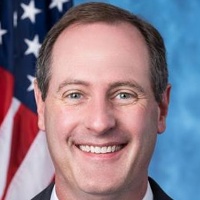
Tracey Mann
Representative
KS
Tracey Mann
Representative
KS
This bill seeks to repeal the specific federal law that grants the State of Kansas criminal jurisdiction over certain offenses involving Indians on Tribal lands within the state. By repealing this section, the bill removes Kansas's authority to prosecute these specific crimes. Jurisdiction for these offenses would revert to federal and tribal authorities.
This bill requires applicants for certain federal justice grants to certify they have not improperly disclosed personal information related to firearm registration, carry permits, or background checks.
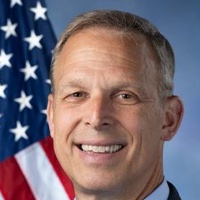
Scott Perry
Representative
PA
Scott Perry
Representative
PA
This bill, the Protecting Our Second Amendment Data Act, establishes new requirements for recipients of federal justice grants, including Edward Byrne Memorial Justice Assistance Grants (JAG) and COPS grants. Applicants must certify that they have not improperly disclosed or misused personally identifiable information related to firearm registration, concealed/open carry permits, or background checks. This aims to safeguard the private data of individuals involved in lawful firearm-related activities.
The ICE FROST Act establishes supplemental pay for immigration enforcement personnel, including hazardous duty bonuses for service in high-risk areas, and imposes a new surcharge on certain international money transfers to fund these payments.
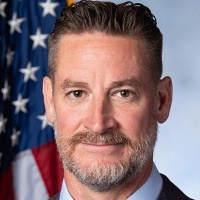
W. Steube
Representative
FL
W. Steube
Representative
FL
The ICE FROST Act establishes significant supplemental pay, including a 25% base payment and an additional 15% hazardous duty supplement, for immigration enforcement personnel serving in high-risk areas. To fund these increased compensation measures, the bill imposes a new surcharge on certain international remittance transfers based on the destination country's risk profile. This legislation aims to increase retention and compensate officers operating in challenging enforcement theaters.