Legislation
This bill establishes a Department of Energy clearinghouse and technical assistance for advanced transmission technology, allows states to include this technology in conservation plans, exempts related funding from NEPA review, and directs the DOE to create voluntary best practices for wildfire mitigation by utilities.
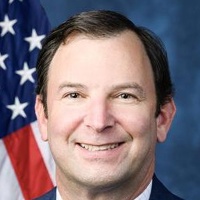
Craig Goldman
Representative
TX
Craig Goldman
Representative
TX
The Advanced Transmission Technology to Reduce Rates Act aims to lower electricity costs by promoting the deployment of advanced transmission technology. It directs the Department of Energy to establish a public clearinghouse and provide technical assistance for this technology. Additionally, the bill establishes voluntary best practices for electric utilities to mitigate wildfire risks associated with bulk-power system equipment.
This bill directs NIST to develop voluntary guidelines to help federal agencies prepare their data for use in training artificial intelligence models.
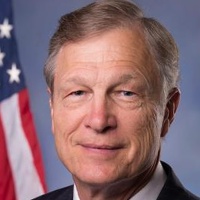
Brian Babin
Representative
TX
Brian Babin
Representative
TX
This bill directs the National Institute of Standards and Technology (NIST) to develop voluntary guidelines to help federal agencies prepare their datasets for use in training artificial intelligence models. These guidelines will cover data formatting, quality, labeling, and maintenance to ensure data is "AI-ready." NIST may also launch pilot programs to test these guidelines in specific high-priority sectors.
This bill establishes regional boards to study and report best practices for electric load forecasting, amends PURPA to mandate the incorporation of these practices, and requires states to update energy conservation plans accordingly.
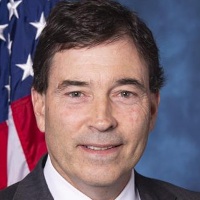
Troy Balderson
Representative
OH
Troy Balderson
Representative
OH
The Load Forecasting Enhancement Act establishes regional joint boards to study and identify best practices for electric load forecasting to improve grid reliability and affordability. It then mandates that electric utilities incorporate these best practices into their forecasting methods through an amendment to PURPA. Finally, the bill requires states to update their energy conservation plans to include procedures for improving load forecasting accuracy and transparency.
This bill establishes a federal standard requiring large industrial electricity customers to fully cover the costs of necessary utility infrastructure upgrades and provide financial assurances before construction begins.
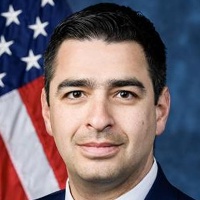
Gabe Evans
Representative
CO
Gabe Evans
Representative
CO
The Ratepayer Protection Act establishes a new federal standard requiring electric utilities to ensure large industrial customers (100 MW or more) fully cover the costs of necessary infrastructure upgrades. This mandates that large-load customers provide financial assurances before construction begins, protecting existing ratepayers from bearing the risk of future contract terminations. States must consider and adopt this standard within two years, unless they have already implemented similar requirements.
This bill prohibits Members of Congress, their spouses, and dependent children from trading on prediction markets based on information learned through congressional service, with associated financial penalties for violations.
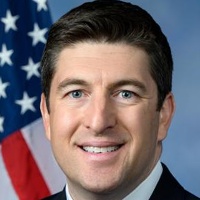
Bryan Steil
Representative
WI
Bryan Steil
Representative
WI
This bill, the "Stop Lawmakers From Predicting Act," prohibits Members of Congress, their spouses, and dependent children from trading on prediction markets based on government policy, political outcomes, or information gained through congressional service. Violations result in significant financial penalties levied against the responsible Member, which cannot be paid using official or campaign funds. The supervising ethics office is tasked with issuing guidance and enforcing these new restrictions.
This bill recognizes Lavender Growers Month to support the contributions of U.S. lavender farms to agriculture, rural economies, and domestic production.
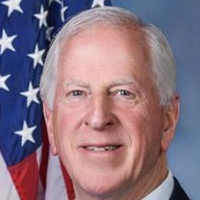
Mike Thompson
Representative
CA
Mike Thompson
Representative
CA
This bill officially recognizes June and July as Lavender Growers Month to celebrate the vital contributions of lavender growers nationwide. It highlights the industry's role in agriculture, rural economies, and domestic production across various sectors. The resolution encourages the public to support local lavender farms and businesses during their peak bloom season.
This bill recognizes and affirms the importance of everyday acts of kindness in strengthening American communities and fostering national unity.

J. Correa
Representative
CA
J. Correa
Representative
CA
This resolution recognizes the importance of everyday acts of kindness in strengthening communities and building national resiliency. It affirms the commitment to fostering a culture of kindness across the United States, highlighting its power to connect people and improve well-being. The bill encourages recognizing and spreading kindness as an essential bond for the nation.
This resolution urges the FCC to modernize the video content ratings system to provide parents with clear, consistent, and objective information across all platforms to make informed viewing decisions for their children.
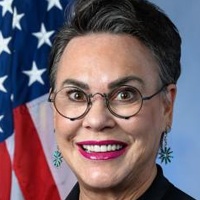
Harriet Hageman
Representative
WY
Harriet Hageman
Representative
WY
This resolution expresses the sense of the House that parents need clear, accurate, and useful information about video programming content across all platforms to make informed decisions for their children. It calls on the FCC to modernize the current ratings system to ensure consistency, specificity, and transparency across broadcast, cable, and streaming services. The bill emphasizes that any updated system must include meaningful input from parents and public advocates, not just industry representatives.
The HCBS Access Act mandates comprehensive, federally funded home- and community-based services under Medicaid, establishes a distinct classification for direct support professionals, and invests in workforce training and national program evaluation.

Debbie Dingell
Representative
MI
Debbie Dingell
Representative
MI
The HCBS Access Act aims to fundamentally transform long-term care by mandating that all states provide home- and community-based services (HCBS) as a required Medicaid benefit, backed by 100% federal funding. This sweeping legislation seeks to eliminate waiting lists, end institutional bias, and ensure older adults and people with disabilities can receive care in their own homes. Additionally, the bill includes provisions to strengthen the direct care workforce through better classification, training, and grant funding, while also requiring comprehensive national evaluation of the changes.
This resolution expresses support for designating June 21, 2026, as National ASK (Asking Saves Kids) Day to promote children's health through secure gun storage awareness.
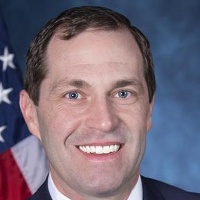
Jason Crow
Representative
CO
Jason Crow
Representative
CO
This resolution expresses support for designating June 21, 2026, as National ASK (Asking Saves Kids) Day. The day aims to promote children's health by encouraging parents to ask about the secure storage of guns in homes before their children visit. It highlights the critical need for safe gun storage given the high rates of youth firearm deaths and injuries.
This bill prohibits Medicare Advantage plans from requiring prior authorization for repairs to complex rehabilitation technology like certain wheelchairs.
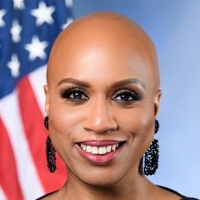
Ayanna Pressley
Representative
MA
Ayanna Pressley
Representative
MA
The FAST Repairs for Wheelchairs Act aims to speed up the repair process for essential mobility devices covered under Medicare Advantage. This bill prohibits Medicare Advantage plans from requiring prior authorization or extra documentation before covering necessary repairs to complex rehabilitation wheelchairs and related accessories. These new rules take effect for plan years beginning on or after January 1st following the law's enactment.
This act caps tariffs on essential agricultural inputs imported from countries with normal trade relations at the rates in effect on January 19, 2025.
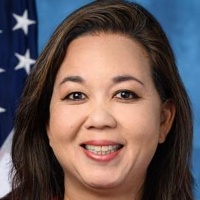
Jill Tokuda
Representative
HI
Jill Tokuda
Representative
HI
The Tariff Free Farming Act aims to stabilize farming costs by capping tariffs on essential agricultural inputs imported from countries with normal trade relations. This legislation locks in the tariff rates for critical items like seed, fertilizer, fuel, and machinery at the levels in effect on January 19, 2025. This prevents the government from imposing higher duties on these necessary supplies, regardless of other legal authorities.
This act imposes a 100% tax on income earned by U.S. nationals and permanent residents competing in major global athletic events on behalf of designated foreign nations of concern.
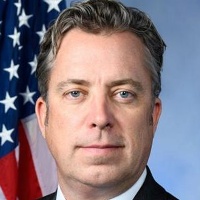
Andrew Ogles
Representative
TN
Andrew Ogles
Representative
TN
The OLYMPICS Act imposes a 100% tax on income earned by U.S. nationals and permanent residents from competing in major global athletic events while representing a "foreign entity of concern." This new tax covers prize money, payments, and related sponsorship income. Amounts subject to this 100% tax will be excluded from regular federal income tax calculations.
This bill prohibits the Department of Homeland Security from purchasing or using any four-point or five-point full-body restraints, with strict reporting requirements and penalties for violations.
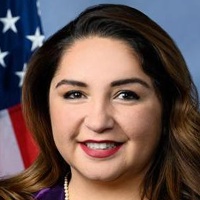
Delia Ramirez
Representative
IL
Delia Ramirez
Representative
IL
The Full-Body Restraint Prohibition Act bans the Department of Homeland Security (DHS) from purchasing or using any four-point or five-point restraints that completely immobilize a person. The legislation mandates strict reporting requirements to Congress detailing compliance and any prohibited restraint usage. Violations by DHS personnel can result in termination.
The HALO Act of 2026 establishes mandatory design, safety, review, and testing requirements for the Department of Defense's use of autonomous and semi-autonomous weapon systems utilizing artificial intelligence, while also prohibiting specific high-risk AI applications.
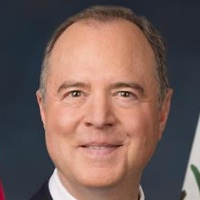
Adam Schiff
Senator
CA
Adam Schiff
Senator
CA
The HALO Act of 2026 establishes comprehensive design, safety, and rigorous testing requirements for the Department of Defense's use of autonomous and semi-autonomous weapon systems that utilize artificial intelligence. It mandates clear human responsibility and ultimate command control over the use of force, while strictly prohibiting the use of covered AI in ways that violate constitutional rights or civil liberties. The bill also institutes advanced review and approval processes before developing and fielding these systems, alongside mandatory reporting to Congress on compliance and use cases.
This act amends federal law to double the overtime pay rate for covered employees from time-and-a-half to double their regular rate of pay.

Gregorio Casar
Representative
TX
Gregorio Casar
Representative
TX
The Double the Wage for Overtime Act of 2026 amends the Fair Labor Standards Act to increase the required overtime pay rate for covered employees from time-and-a-half to double their regular rate of pay. This means employees will earn twice their normal hourly wage for all hours worked beyond 40 in a workweek. This change will take effect 180 days after the bill is enacted.
This bill establishes a federal tax credit for landowners who donate property that includes a National Scenic Trail and its surrounding corridor to promote trail completion and conservation.
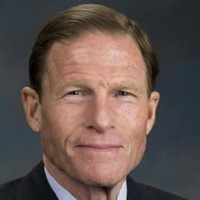
Richard Blumenthal
Senator
CT
Richard Blumenthal
Senator
CT
The Complete America’s Great Trails Act establishes a new federal tax credit for landowners who donate property that includes a designated National Scenic Trail and a specified surrounding corridor. This credit is equal to the fair market value of the donated land, encouraging private conservation efforts to complete and expand these national trails. The bill also mandates a study on the credit's effectiveness and potential future modifications, such as making the credit refundable.
This act establishes competitive grants to build capacity, expand workforce training, and support agriculture and natural resources programs at community colleges.

John Hickenlooper
Senator
CO
John Hickenlooper
Senator
CO
The Community College Agriculture Advancement Act of 2026 establishes a grant program to strengthen agriculture and natural resources programs at community colleges. These competitive grants will help institutions expand workforce training, education, and research, prioritizing coordination with local industry for experiential learning. The Act also authorizes funding to designate regional or national Centers of Agriculture Advancement.
This bill reauthorizes and modifies the National Parks and Public Land Legacy Restoration Fund to increase funding, broaden eligible lands, prioritize donation-supported projects, and improve maintenance planning and reporting.
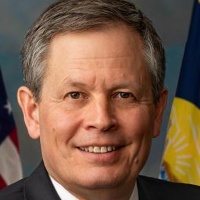
Steve Daines
Senator
MT
Steve Daines
Senator
MT
The America the Beautiful Act reauthorizes and modifies the National Parks and Public Land Legacy Restoration Fund through fiscal year 2033, increasing its authorized funding to \$2.0 billion. This legislation broadens eligible lands for maintenance projects and prioritizes those receiving significant private donations. It also enhances transparency by requiring multi-year project lists and actively encouraging public contributions to address deferred maintenance across federal lands.
This bill reauthorizes and updates the Child Care and Development Block Grant Act to modernize program purposes, expand eligible activities, strengthen quality and workforce support, mandate cost-based payment rates, and establish a new grant program for expanding child care supply and facilities.
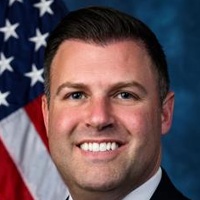
Ryan Mackenzie
Representative
PA
Ryan Mackenzie
Representative
PA
This bill, the "Child Care Modernization Act of 2026," reauthorizes and significantly updates the Child Care and Development Block Grant Act of 1990. It aims to increase child care quality and access by updating eligibility definitions, strengthening state planning requirements, and establishing new grant programs for supply expansion and facility improvements. Key changes include mandating that payment rates cover the full cost of care and enhancing support for the child care workforce.