Legislation
This bill mandates the FCC and GAO to study and improve the accuracy, transparency, and efficiency of the federal Broadband Funding Map used for deploying broadband infrastructure.

Deb Fischer
Senator
NE
Deb Fischer
Senator
NE
The MAP for Broadband Funding Act aims to improve the accuracy and transparency of the federal Broadband Funding Map, which tracks infrastructure investments. It mandates coordination between the FCC and NTIA to ensure timely and complete data collection from all relevant federal agencies. Furthermore, the bill requires the FCC to conduct an inquiry into map functionality and directs the GAO to study agency compliance and data quality.
This Act mandates a comprehensive study, the creation of a standards consortium, and annual public reporting on the environmental and energy impacts of artificial intelligence data centers.
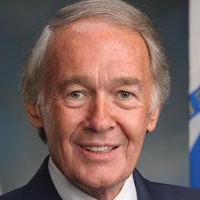
Edward Markey
Senator
MA
Edward Markey
Senator
MA
The Artificial Intelligence Environmental Impacts Act of 2026 addresses the growing energy and environmental challenges posed by rapidly expanding AI infrastructure. The bill mandates a comprehensive study by the EPA and other agencies on the full lifecycle impacts of AI, from hardware manufacturing to data center operation. It also establishes a stakeholder consortium to develop measurement standards and requires annual public reporting from AI data center operators on their resource consumption and pollution. Ultimately, this legislation aims to mitigate the negative environmental effects of AI while promoting its beneficial applications.
This Act strengthens protections for U.S. fishers by expanding criteria for identifying nations that tolerate illegal fishing and updating the regulatory definition of IUU fishing.

Jeff Merkley
Senator
OR
Jeff Merkley
Senator
OR
The Protecting U.S. Fishers from Illegal Foreign Flags Act of 2026 strengthens measures against illegal fishing by expanding criteria for identifying nations that fail to regulate foreign vessels operating under their flag. This bill mandates updating the regulatory definition of "illegal, unreported, or unregulated fishing" to align with existing federal law. Ultimately, it aims to ensure better accountability for flag states regarding illegal fishing activities.
This bill gradually phases out Social Security taxes on high earners while increasing benefit calculations, mandating the use of a new Consumer Price Index for the Elderly, and improving survivor benefits for two-income households.

Linda Sánchez
Representative
CA
Linda Sánchez
Representative
CA
The Strengthening Social Security Act of 2026 gradually phases out Social Security taxes on earnings above the contribution base starting in 2028. It also adjusts benefit calculations by increasing the first bend point rate and incorporating a portion of previously untaxed surplus earnings into the primary insurance amount formula starting in 2033. Furthermore, the bill mandates the creation of a new Consumer Price Index for Elderly Consumers (CPI-E) to be used for calculating future cost-of-living adjustments. Finally, it improves survivor benefits for widows and widowers in two-income households and protects current SSI recipients from benefit reductions.
This act sets a maximum monthly allowance of 128 fluid ounces of single-strength juice for certain food packages under the WIC program.
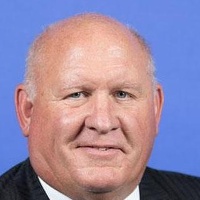
Glenn Thompson
Representative
PA
Glenn Thompson
Representative
PA
The Juice for Healthy Families Act of 2026 amends the WIC program to establish a uniform maximum monthly allowance of 128 fluid ounces of single-strength juice for specific WIC food packages. This legislation standardizes the amount of juice provided under certain WIC food packages (IV, V, VI, and VII).
This bill establishes a distinct regulatory framework under the FD&C Act for homeopathic drug products, setting specific safety, manufacturing, and labeling standards while exempting them from standard new drug approval.
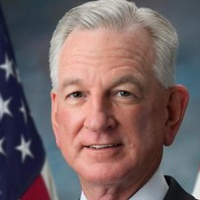
Tommy Tuberville
Senator
AL
Tommy Tuberville
Senator
AL
This bill establishes a distinct regulatory framework for homeopathic drug products under federal law, recognizing their unique preparation methods and history of use. It exempts these products from standard new drug approval while mandating specific safety, manufacturing, and labeling rules tailored to their nature. The legislation also creates an advisory committee to guide the Secretary of Health and Human Services on regulating these products.
This bill repeals executive orders and directives restricting renewable energy development while streamlining permitting and ensuring the continuation of federal financial assistance for clean energy projects.
Jeff Merkley
Senator
OR
Jeff Merkley
Senator
OR
The Restoring Renewable Energy Parity Act aims to remove federal barriers to renewable energy development. It immediately halts the investigation into wind turbine imports and repeals several executive orders and agency directives that restricted wind, solar, and geothermal projects. The bill also streamlines permitting processes and sets strict timelines for federal agencies to act on financial assistance continuation applications.
This Act bans specific toxic chemicals like PFAS and phthalates from being used in food packaging materials two years after enactment, while preserving stricter state regulations.
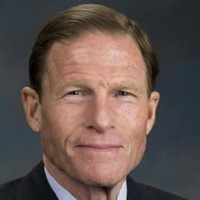
Richard Blumenthal
Senator
CT
Richard Blumenthal
Senator
CT
The No Toxic Chemicals in Food Packaging Act of 2026 aims to enhance food safety by automatically classifying several hazardous chemicals, including PFAS and certain phthalates, as unsafe for use in food contact materials. This legislation requires the FDA to consider vulnerable populations when reviewing alternatives to these banned substances. The new federal standard allows states and localities to maintain or enact stricter regulations protecting public health.
This act expands support and research for multigenerational activities and civic engagement projects under the Older Americans Act.
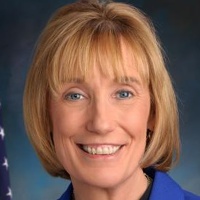
Margaret Hassan
Senator
NH
Margaret Hassan
Senator
NH
The Multigenerational Care and Support Act updates existing law to expand demonstration, support, and research projects focused on multigenerational activities. This legislation broadens the scope of eligible mentoring opportunities and facilities where these programs can take place, ensuring support for activities that benefit both younger and older individuals. It also modifies reporting requirements for evaluations of these federally supported projects.
This Act establishes the Asal Sayas National Strategy on Young Adult Cancers to coordinate research, education, and resources addressing the rising incidence and unique challenges of cancer in individuals aged 18 to 49.
Edward Markey
Senator
MA
Edward Markey
Senator
MA
This bill establishes the Asal Sayas National Strategy on Young Adult Cancers to address the rising incidence and unique challenges of cancer in individuals aged 18 to 49. The strategy requires the NIH to develop a comprehensive plan focusing on research priorities, public and professional education campaigns, and improving early detection methods. It also mandates the creation of a federal online clearinghouse and a coordinating committee to oversee implementation and progress reporting.
This act expands the available remedies, including compensatory and punitive damages and the right to a jury trial, for victims of certain civil rights violations and age discrimination.
Edward Markey
Senator
MA
Edward Markey
Senator
MA
The Equal Remedies Act of 2026 significantly expands the types of damages available to victims in certain civil rights cases, including broader compensatory damages for non-economic harm. This legislation also guarantees the right to a jury trial in these cases. Furthermore, the Act allows victims of age discrimination to recover compensatory and punitive damages, aligning their remedies with those available under Title VII.
This Act mandates that commercial entities knowingly publishing material harmful to minors must implement age verification systems to prevent minors from accessing that content.
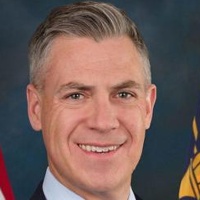
Jim Banks
Senator
IN
Jim Banks
Senator
IN
The SAFE for Kids Act of 2026 requires commercial entities that primarily distribute sexual material harmful to minors to implement age verification systems to block access by minors. These entities must use digital identification or a commercial age verification system, and cannot retain any collected data. The Federal Trade Commission (FTC) and the Department of Justice are tasked with civil and criminal enforcement, respectively, and individuals are granted the right to file private lawsuits.
This bill mandates that juice be the default fruit option in certain WIC food packages, offering a cash-value voucher as an alternative upon request.
Glenn Thompson
Representative
PA
Glenn Thompson
Representative
PA
The Juice Access Improvement Act mandates that juice be the default beverage option in specific food packages under the WIC program for women and young children. This legislation requires state agencies to offer a $3 cash-value voucher as an alternative to juice upon a participant's request. The Secretary of Agriculture is directed to update regulations to implement these changes.
This Act grants courts the authority to conduct a full, fresh review of innocent spouse relief cases, removing prior limitations based on the administrative record.
Margaret Hassan
Senator
NH
Margaret Hassan
Senator
NH
The Tax Relief for Innocent Spouses Act grants courts, including the Tax Court, the authority to conduct a *de novo* review when considering requests for innocent spouse relief. This means judges can fully reexamine the facts and law, rather than being restricted to the initial administrative record. This change applies to all relevant petitions filed or pending after the Act's enactment.
This bill mandates new, detailed surveys by the Department of Labor and the Census Bureau to track how artificial intelligence and technology adoption are impacting U.S. labor market dynamics, workforce participation, and business operations.
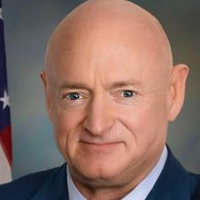
Mark Kelly
Senator
AZ
Mark Kelly
Senator
AZ
The AI DATA Act mandates new, comprehensive data collection efforts by the Department of Labor and the Census Bureau to track the impact of artificial intelligence and emerging technologies on the U.S. workforce. This includes monthly labor market flow data, recurring household time-use surveys, and longitudinal studies following individuals over time. The bill also requires quarterly reporting from the Census Bureau on business AI adoption and an annual joint report assessing AI's effects on hiring, job demand, and worker mobility.
The BLANKET Act establishes a federal grant program to help communities expand emergency shelter capacity during severe weather events to protect people experiencing homelessness.
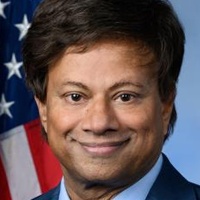
Shri Thanedar
Representative
MI
Shri Thanedar
Representative
MI
The BLANKET Act establishes a new competitive grant program to help communities expand emergency shelter capacity during severe weather events. This funding, administered by HUD, is designed to protect people experiencing homelessness from extreme temperatures and other weather-related dangers. Eligible entities can use the funds for temporary warming/cooling centers, non-congregate shelter vouchers, and necessary supplies and staffing.
This Act prohibits the NSF from defunding or decommissioning Ocean Observatories Initiative instruments until a comprehensive review with community input is completed.

Lisa Murkowski
Senator
AK
Lisa Murkowski
Senator
AK
The Saving the OOI Act of 2026 prohibits the National Science Foundation (NSF) from scaling back or decommissioning critical Ocean Observatories Initiative instruments. This measure ensures the continued operation of these vital coastal and deep-sea monitoring assets until the NSF completes a comprehensive review with community input. The bill mandates the full maintenance of the initiative throughout the review period.
This bill amends the Foreign Intelligence Surveillance Act to increase transparency by mandating the public release of court opinions, requiring detailed reporting on sensitive queries, and expanding public disclosure of surveillance violation reports.

Ron Wyden
Senator
OR
Ron Wyden
Senator
OR
This bill aims to significantly increase transparency regarding the Foreign Intelligence Surveillance Act (FISA), particularly Section 702. It mandates the public release of key court opinions and requires detailed annual reports on sensitive surveillance queries. Furthermore, the legislation demands greater public disclosure of intelligence community searches involving U.S. persons conducted outside of FISA authority and includes a brief extension of Section 702.
This bill extends the authorization of the African American Civil Rights Network for an additional ten years.

Tim Scott
Senator
SC
Tim Scott
Senator
SC
This bill, the Renewing the African American Civil Rights Network Act, extends the authorization for the African American Civil Rights Network. It amends existing law to replace the original seven-year authorization period with a new ten-year period, beginning upon the Act's enactment.
This bill establishes a Congressional Advisory Commission to study the national and global security challenges of extreme heat and develop coordinated action plans to reduce heat-related illness and death.
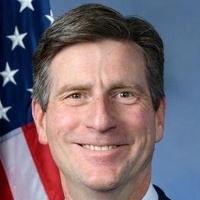
Greg Stanton
Representative
AZ
Greg Stanton
Representative
AZ
This bill establishes the National Advisory Commission on Extreme Heat and Global Security to study the national and global security risks posed by extreme heat. The Commission will develop and report to Congress and the President on both short-term and long-term action plans to reduce heat-related illnesses and deaths. This body aims to create coordinated strategies for mitigation and adaptation over the next decade.