This Act mandates the Comptroller General to assess and report on the greatest vulnerabilities to the integrity of federally funded programs administered by states.
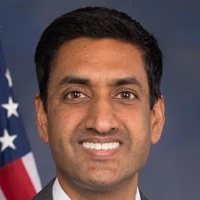
Ro Khanna
Representative
CA-17
This Act requires the Comptroller General to conduct regular assessments identifying the greatest risks to the integrity of federal funds administered by state and local governments. These reports will pinpoint systemic weaknesses that lead to waste, fraud, and improper payments. The findings will include recommendations for improving federal tools, technical assistance, and administrative practices to strengthen program integrity.
New Accountability Act Targets Waste in State-Managed Federal Programs: Comptroller to Deliver Risk Assessment Within Two Years.
When the federal government sends money to states for things like road repairs, food assistance, or local health initiatives, it doesn’t always come with a clear map of where the pitfalls are. The Government Audit and Accountability of Federally Funded State-Administered Programs Act changes that by requiring the Comptroller General to perform a deep-dive vulnerability assessment. Within two years, and periodically after that, the government will have to identify exactly which programs are most prone to waste, fraud, and improper payments. It’s essentially a high-level audit designed to find the cracks in the system before your tax dollars fall through them (Section 2).
Finding the Leaks in the Bucket
This isn't just about pointing fingers; it's about figuring out which administrative habits are actually working. The bill requires an evaluation of "evidence-based best practices" that have successfully protected funds in the past. For a local city manager or a state agency worker, this could eventually mean clearer guidelines and better federal tools to manage complex budgets. The assessment will look at everything from how people are enrolled in programs to how eligibility is determined, aiming to streamline the process so that resources go to those who actually qualify while cutting out the errors that lead to multi-million dollar mistakes.
Practical Impacts and Paper Trails
To get this done, the Comptroller General will be digging through existing mountains of data from state auditors, inspectors general, and attorneys general. If you’re someone who relies on a state-administered program—like a parent using a childcare voucher or a contractor working on a federally funded bridge—the goal is more stability and less bureaucratic mess. However, because the bill gives the Comptroller General significant discretion over the "form and methodology" of these reports, the actual impact depends on how aggressive these audits are. There is a slight risk that relying too heavily on old data might miss new, high-tech ways that fraud occurs today, but the bill does allow for new audit work if the old files aren't enough to get the job up to speed.
Strengthening the System
Ultimately, this legislation is a play for long-term efficiency. By identifying which federal resources and technical assistance programs are actually helping states—and which ones are just more red tape—Congress hopes to refine how money moves from D.C. to your neighborhood. For the average taxpayer, this is a "measure twice, cut once" approach to government spending. It aims to ensure that when a billion dollars is earmarked for a specific cause, it doesn't get eroded by systemic weaknesses or poor oversight at the state level (Section 2).