This Act prohibits federal agencies from providing contracts, grants, or financial assistance to individuals convicted of specific federal fraud and corruption felonies, and to businesses they substantially own or control, for three years following conviction.
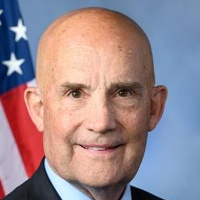
Keith Self
Representative
TX-3
The Federal Program Integrity and Fraud Prevention Act of 2026 prohibits federal agencies from awarding contracts or grants to individuals convicted of specific federal fraud and corruption felonies for three years following their conviction. This ban also extends to businesses substantially owned or controlled by the convicted individual. The law mandates updating the System for Award Management (SAM.gov) upon conviction, though agency heads retain limited authority to issue case-by-case waivers.
Federal Fraudsters Face Three-Year Ban from Government Contracts and Grants Starting in 2026
The Federal Program Integrity and Fraud Prevention Act of 2026 is essentially a 'timeout' for people who try to cheat the system. If someone is convicted of a federal felony involving fraud, bribery, or theft related to government money, they (and any business they heavily control) are barred from getting federal contracts, grants, or loans for three years. This isn't just about a slap on the wrist; it’s a direct hit to the wallet for those who have already proven they aren't trustworthy with taxpayer dollars. The ban kicks in for convictions occurring after the law starts, ensuring that the people building our roads, providing tech services, or managing federal grants are playing by the rules.
Closing the Ownership Loophole
This bill doesn't just stop at the individual; it targets the 'beneficial owner' to prevent people from hiding behind a corporate curtain. Under Section 2, if a convicted person owns at least 25 percent of a company or exercises 'substantial control' over it, that business is also blocked from federal funds. Think of a local contractor who gets caught embezzling from a federal housing project. He can’t simply pivot and bid on a new post office contract under a different LLC name if he still pulls the strings. The law specifically excludes minor children and low-level employees from these definitions, focusing the heat squarely on the decision-makers and major stakeholders.
The Paper Trail to SAM.gov
To make sure this actually works in the real world, the bill mandates a tight communication loop between the courts and the people cutting the checks. When a conviction or a guilty plea happens—including deferred prosecutions where someone admits responsibility—the Attorney General has to tell the General Services Administration immediately. They then flag that person on SAM.gov, which is the massive database every federal agency checks before hiring a contractor. For a small business owner competing for a government project, this means a fairer playing field because they aren't losing out to competitors who cut corners or commit fraud to underbid others.
Room for Exceptions
While the ban is strict, there is a 'break glass in case of emergency' clause. An agency head can waive the ban on a case-by-case basis if they can justify it. However, they can’t do it in secret; they have to send a written explanation to Congress immediately. This provides a safety valve for unique situations—perhaps a specialized company is the only one capable of fixing a critical piece of infrastructure—while keeping a public record of why an exception was made. It’s a balance between rigid rules and the messy realities of government operations.