This resolution honors the victims and survivors of the December 13, 2025, Brown University shooting, commends first responders, and calls for Congressional action to end gun violence.
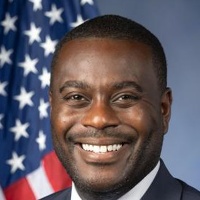
Gabe Amo
Representative
RI-1
This resolution formally honors the victims and survivors of the tragic December 13, 2025, mass shooting at Brown University. It recognizes the bravery of the first responders and condemns this senseless act of violence. The bill expresses solidarity with the affected community and calls for Congressional action to end gun violence.
Congressional Resolution Honors Victims of Brown University Mass Shooting and Calls for Legislative Action
This resolution serves as a formal, solemn acknowledgement of the tragedy that occurred on December 13, 2025, at Brown University’s Barus and Holley Building. By naming the two students lost—Ella Cook and Mukhammad Aziz Umurzokov—and recognizing the nine individuals injured during a final exam review session, the document ensures these names are etched into the official record of the U.S. government. Beyond memorializing the loss, the resolution explicitly links the timing of the event to the 13th anniversary of the Sandy Hook shooting, framing this local tragedy within a larger, national context of ongoing gun violence.
A Roll Call of Response
A significant portion of the text is dedicated to documenting the massive scale of the emergency response. It lists dozens of agencies, ranging from the Providence Police and Rhode Island State Police to federal entities like the FBI, ATF, and Homeland Security Investigations. For the average person, this provides a clear picture of the sheer manpower and inter-agency coordination required when a crisis of this magnitude hits a modern campus. By commending these first responders and local medical teams, the resolution officially validates the high-stakes work performed by hundreds of public servants under extreme pressure.
More Than a Memorial
While much of the language focuses on condolences and solidarity with the City of Providence, the resolution includes a specific call to duty for the federal government. It concludes by stating that ending gun violence requires direct Congressional action. This moves the document from a simple gesture of sympathy into a policy marker, signaling that the federal government views such incidents not just as local crimes, but as part of a systemic issue that falls under its legislative jurisdiction. For the Brown University community and the families involved, it serves as a formal promise of solidarity and a recognition of their grief on the national stage.