This bill establishes the Veteran Scam Victims Foundation as a private, nonprofit entity focused on educating and supporting veterans against scams.
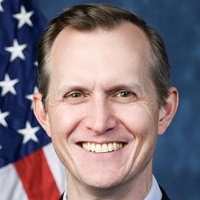
George Whitesides
Representative
CA-27
The Veteran Scam Victims Foundation Act establishes a private, nonprofit foundation dedicated solely to protecting veterans and their beneficiaries from scams through education and support. Governed by a board including the Secretary of Veterans Affairs and various federal appointees, the Foundation can accept and manage private gifts to fund its anti-scam efforts. It is tax-exempt, but the U.S. government is not liable for its actions, and it must report annually to Congress.
New Veteran Scam Victims Foundation to Launch: Private Nonprofit Aims to Shield Veterans from Fraud
The Veteran Scam Victims Foundation Act creates a new, private nonprofit entity specifically designed to fight the rising tide of fraud targeting those who served. Established under District of Columbia law, this isn't a government agency, but a dedicated organization focused on educating veterans and their families about predatory schemes. While the Foundation can fund anti-scam programs and support victims through outreach, Section 2 makes one thing very clear: it cannot provide direct cash reimbursements to veterans for money they’ve already lost to scammers. Think of it as a high-level defense team working to prevent the theft from happening in the first place, rather than an insurance policy for past losses.
A Board with Heavy Hitters
To make sure this isn't just another empty nonprofit, the bill sets up a powerhouse Board of Directors. The Secretary of Veterans Affairs will lead as Chairman, joined by private citizens appointed by the heads of the FTC, IRS, Social Security Administration, and the Attorney General. These board members serve six-year terms, ensuring that as administrations change, the institutional knowledge of how scammers operate stays put. For the average veteran, this means the people steering the ship aren't just bureaucrats; they are experts from the very agencies that track financial crimes and consumer fraud daily. Board members won't get a salary—only travel expenses—keeping the focus on the mission rather than a paycheck.
Turning Private Donations into Public Protection
The Foundation is authorized to take in private gifts, property, and investments to fund its operations. This is where the "real world" impact kicks in: if a major tech company or a wealthy donor wants to fund a massive nationwide campaign to warn veterans about pension poaching or fake disability claims, they can do it through this tax-exempt Foundation. Under the bill, any gift given to the Foundation is treated as if it were given to the United States for tax purposes, which is a major incentive for big donors to open their wallets. The Foundation even has the power to use VA facilities and services to get the word out, ensuring that educational materials actually reach the people sitting in VA waiting rooms or using the VA’s digital portals.
Keeping the Books Balanced and Transparent
Because this organization will be handling private money to perform a public service, the bill includes strict oversight rules. The Foundation is required to submit a detailed report to Congress every single year, breaking down exactly how much money they took in, where it went, and what they’ve actually accomplished. While the U.S. government isn't liable for any of the Foundation's debts or mistakes, the heavy involvement of the VA Secretary ensures that the Foundation’s work doesn't go rogue. For veterans and their families, this means a more coordinated, well-funded shield against the sophisticated scammers who currently view military benefits as an easy target.