This Act establishes a new Inspector General for Fraud, Accountability, and Recovery within the Treasury Department and restructures the Fiscal Service to enhance governmentwide data analysis and coordination for preventing fraud and improper payments across federal programs.
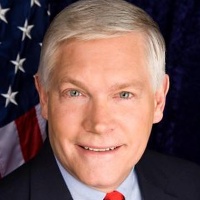
Pete Sessions
Representative
TX-17
The Fraud Prevention and Accountability Act restructures the Treasury Department to enhance fraud detection and financial integrity across federal spending. It establishes a new, independent Inspector General for Fraud, Accountability, and Recovery to oversee "covered funds" and mandates a governmentwide data analysis program within the Fiscal Service. This legislation aims to centralize data sharing and analytical capabilities to proactively prevent improper payments and combat fraud in major federal programs.
| Party | Total Votes | Yes | No | Did Not Vote |
|---|---|---|---|---|
Democrat | 212 | 28 | 181 | 3 |
Republican | 219 | 212 | 0 | 7 |
New Fraud Prevention Act Targets Government Waste with 2028 Launch of High-Tech Oversight Office
The Fraud Prevention and Accountability Act is a major structural overhaul designed to stop your tax dollars from disappearing into the pockets of scammers. Starting December 31, 2028, the bill creates a permanent Office of the Inspector General for Fraud, Accountability, and Recovery (IG-FAR) within the Treasury Department. This isn't just another committee; it’s a dedicated 'fraud squad' with the power to audit and investigate nearly every major federal spending stream—from pandemic relief and infrastructure projects to any federal award over $50,000. By making the existing data analysis tools from the Pandemic Response Accountability Committee permanent, the government is essentially moving from a 'pay and chase' model to one where they try to spot the red flags before the check even clears.
A Digital Shield for Your Tax Dollars
The bill reorganizes the Bureau of the Fiscal Service to prioritize 'financial integrity,' which is policy-speak for making sure money goes where it’s supposed to. A key feature is a new voluntary governmentwide data analysis program. Imagine a centralized 'Do Not Pay' list that federal agencies, states, and even local governments can check before sending out funds. For a small business owner who played by the rules during the pandemic, this means the person who lied on their application to get a six-figure loan is more likely to be flagged. Under Section 2, this program will share data on known fraudulent actors and use cyber-activity screening to catch scammers who try to switch identities or bank accounts to bypass the system.
The New Sheriff in Town
The newly created IG-FAR won't just be looking at Treasury books; it has the authority to look across almost all agencies to find cross-program fraud. If you’re a worker whose identity was stolen to file a fraudulent unemployment claim, this office is tasked with spotting those patterns across state lines. The bill also requires the Inspector General to set up a 'user-friendly' public website. This is meant to be a one-stop shop where you can actually see where the money is going and who is being investigated for taking it. To keep things moving, agency heads are legally required to either fix the problems the IG finds or explain to Congress exactly why they aren't doing anything about it.
Watching the Big Spenders
One of the most practical sections of this bill (Section 4) creates a 'trigger' for future spending. Whenever Congress tries to pass a massive emergency bill—anything over $100 billion—the Treasury must automatically provide recommendations on how to protect that money. This is a direct response to the 'move fast and break things' approach of past relief packages. While the bill uses 'voluntary' participation for some data sharing, which might slow things down if some agencies are stubborn, it mandates that the Office of Management and Budget issue clear directives by 2029 to get everyone on the same page. It’s a long-term play to ensure that whether it’s a disaster relief check or a research grant, the system is rigged against the fraudsters rather than the taxpayers.