Legislative Activity
Track Tony's sponsored bills, co-sponsored legislation, and voting record
This bill amends the Social Security Act to provide Medicare coverage for FDA-approved multi-cancer early detection screening tests starting in 2028.
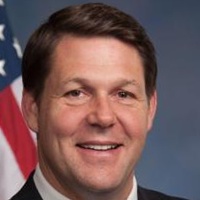
Jodey Arrington
Representative
TX
Jodey Arrington
Representative
TX
The Nancy Gardner Sewell Medicare Multi-Cancer Early Detection Screening Coverage Act amends the Social Security Act to provide Medicare Part B coverage for multi-cancer early detection screening tests starting January 1, 2028. This legislation establishes clear criteria for qualifying tests and outlines payment structures to ensure beneficiaries have access to these advanced diagnostic tools. Importantly, this coverage is designed to complement, rather than replace, existing Medicare-covered cancer screenings.
This Act mandates that new passenger motor vehicles sold in the U.S. must include standard equipment capable of receiving AM broadcast radio signals.
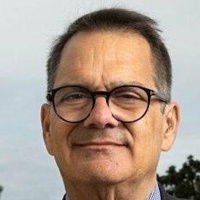
Gus Bilirakis
Representative
FL
Gus Bilirakis
Representative
FL
The AM Radio for Every Vehicle Act of 2025 mandates that the Secretary of Transportation establish a rule requiring AM broadcast radio receivers to be installed as standard equipment in new passenger motor vehicles. This requirement aims to ensure public access to AM radio signals, which are often used for emergency alerts. The bill also directs a GAO study on the effectiveness of AM radio within the national emergency alert system compared to other technologies. Finally, the Act preempts state and local laws on this matter and includes a sunset provision eight years after enactment.
This Act ensures the automatic continuation of pay for active duty military personnel and essential civilian support staff if Congress fails to pass a budget for fiscal year 2026.
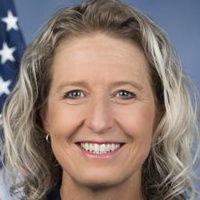
Jennifer Kiggans
Representative
VA
Jennifer Kiggans
Representative
VA
The Pay Our Troops Act of 2026 ensures that active duty military personnel and essential civilian support staff continue to receive their pay if Congress has not yet passed the full budget for fiscal year 2026. This act provides automatic continuing appropriations from the Treasury to prevent a lapse in military salaries due to budget delays. The funding automatically terminates once a new budget or continuing resolution is passed, or on January 1, 2027, whichever comes first.
This bill extends the authorization for the Small Business Innovation Research (SBIR) and Small Business Technology Transfer (STTR) programs and related activities for one additional year, through fiscal year 2026.
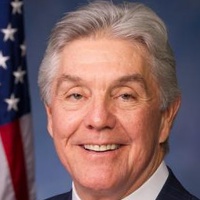
Roger Williams
Representative
TX
Roger Williams
Representative
TX
This bill primarily focuses on extending the authorization for the Small Business Innovation Research (SBIR) and Small Business Technology Transfer (STTR) programs by one year. It pushes the expiration dates for the core programs and several related pilot activities from fiscal year 2025 to fiscal year 2026. This ensures continued federal research and development funding opportunities for small businesses.
This bill mandates that states prohibit issuing standard driver's licenses to non-citizens or non-lawful permanent residents or face the withholding of 50% of their federal highway funding.
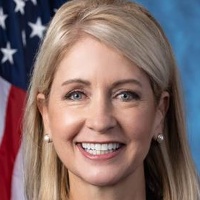
Mary Miller
Representative
IL
Mary Miller
Representative
IL
The SAFE Driving Laws Act aims to ensure that states only issue standard driver's licenses to U.S. citizens or lawful permanent residents. To comply, states must prohibit issuing licenses to non-citizens and must cooperate fully with federal immigration enforcement information sharing. States failing to meet these requirements starting in fiscal year 2027 will face the withholding of 50% of their federal highway funding.
This resolution condemns the assassination of Charlie Kirk and honors his life, legacy, and commitment to civil discourse.
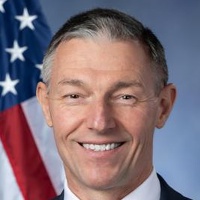
Mike Kennedy
Representative
UT
Mike Kennedy
Representative
UT
This resolution condemns the assassination of conservative activist Charlie Kirk and extends condolences to his family. It honors his life and legacy, recognizing his founding of Turning Point USA and his commitment to encouraging civil discourse on college campuses.
This bill mandates federal judges to impose sanctions, including paying opposing counsel's fees, when attorneys file improper or frivolous paperwork.
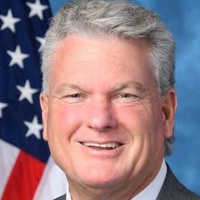
Mike Collins
Representative
GA
Mike Collins
Representative
GA
The Lawsuit Abuse Reduction Act of 2025 aims to increase attorney accountability in federal court by making sanctions mandatory for filing improper or frivolous paperwork. If a violation of court rules is found, judges **shall** require the attorney to reimburse the opposing party for reasonable expenses and attorney fees. This measure is designed to curb abusive litigation practices without hindering the development of new legal arguments or claims.
This resolution formally condemns the assassination of Charlie Kirk and reaffirms the right to peaceful assembly against political violence.
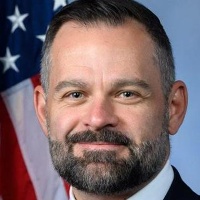
Cory Mills
Representative
FL
Cory Mills
Representative
FL
This resolution formally condemns the horrific political assassination of conservative spokesman Charlie Kirk on September 10, 2025, in Orem, Utah. It expresses deep condolences to his family and recognizes the bravery of the first responders at the scene. Ultimately, the measure reaffirms the fundamental American right to peaceful assembly and stands firmly against political violence.
The Mental Health in Aviation Act of 2025 mandates the FAA to update mental health regulations, improve medical clearance processes, fund more aviation medical examiners, and launch an anti-stigma campaign for aviation workers.
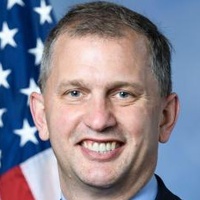
Sean Casten
Representative
IL
Sean Casten
Representative
IL
The Mental Health in Aviation Act of 2025 directs the FAA to update regulations to encourage aviation workers to seek mental health support without fear of stigma. The bill mandates annual reviews of the medical clearance process and allocates funding to hire more Aviation Medical Examiners. Furthermore, it requires the FAA to implement recommendations from a recent mental health task force and launch a public awareness campaign to reduce stigma.
This bill penalizes states that issue driver's licenses to individuals without proof of lawful presence or restrict the sharing of immigration enforcement information with the Department of Homeland Security by withholding federal Byrne Grant funds.
Jodey Arrington
Representative
TX
Jodey Arrington
Representative
TX
This Act, the Stop Greenlighting Driver Licenses for Illegal Immigrants Act, penalizes states that issue driver's licenses to individuals lacking proof of lawful presence. It also targets states that restrict local officials from sharing immigration enforcement data with the Department of Homeland Security. States found in violation must return unspent Edward Byrne Memorial Justice Assistance Grant funds and become ineligible for future funding until compliance is achieved.
The FEMA Act of 2025 establishes FEMA as an independent, cabinet-level agency and enacts sweeping reforms across public assistance, individual aid, and mitigation programs to speed up recovery and increase transparency.
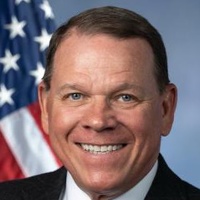
Sam Graves
Representative
MO
Sam Graves
Representative
MO
The FEMA Act of 2025 establishes the Federal Emergency Management Agency (FEMA) as an independent, cabinet-level agency to lead a unified, all-hazards approach to national emergency management. The bill enacts sweeping reforms across Public Assistance, Individual Assistance, and Mitigation programs to accelerate recovery, streamline funding, and reduce bureaucratic hurdles for disaster survivors and communities. Furthermore, it mandates significant new transparency measures, including public data reporting and GAO oversight, to ensure accountability for federal disaster spending.
This Act updates the timeline for expanding middle mile internet infrastructure into rural areas from 2018-2023 to 2026-2031 under the Rural Electrification Act.
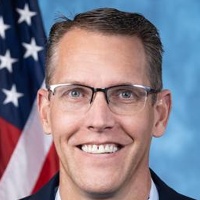
Randy Feenstra
Representative
IA
Randy Feenstra
Representative
IA
The Middle Mile for Rural America Act updates the timeline for expanding essential middle mile internet infrastructure into rural areas. This legislation shifts the designated period for these expansion projects under the Rural Electrification Act from 2018–2023 to the new timeframe of 2026 through 2031. This change ensures continued focus and potential funding for critical rural broadband development in the coming years.
This Act prohibits the Secretary of Agriculture from using race or sex as criteria when administering major USDA farm support, conservation, and rural development programs.
Jodey Arrington
Representative
TX
Jodey Arrington
Representative
TX
The No Discrimination in Farm Programs Act prohibits the Secretary of Agriculture from using race or sex as criteria when administering key USDA programs. This ensures that major financial support, conservation, and loan programs are managed based on fairness, equal opportunity, and merit. The bill specifically applies to pandemic assistance, crop insurance, conservation efforts, and various farm loan programs.
This Act establishes the "Local Farmers Feeding Our Communities" program to strengthen local food security by funding agreements that support local producers and distribute fresh food to communities.
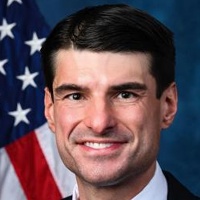
Robert Bresnahan
Representative
PA
Robert Bresnahan
Representative
PA
The Local Farmers Feeding our Communities Act establishes a new program to support local food producers and strengthen regional food security. This initiative requires the Secretary of Agriculture to fund agreements that ensure nutritious, locally sourced food is purchased and distributed widely, prioritizing small and beginning farmers. Funds must be used to buy minimally processed local products and provide technical assistance to producers. The program is backed by mandatory funding starting in Fiscal Year 2026.
This bill requires the District of Columbia to allow Members of Congress with valid concealed carry permits from their home states to carry concealed firearms within the District.
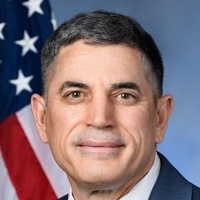
Andrew Clyde
Representative
GA
Andrew Clyde
Representative
GA
This bill would require the District of Columbia to recognize valid concealed carry permits or the legal right to carry a concealed firearm held by Members of Congress from their home states. Specifically, it allows Senators, Representatives, Delegates, and Resident Commissioners to carry a concealed firearm in D.C. provided they meet federal eligibility requirements and carry proper identification.
This Act prohibits covered foreign entities from acquiring or leasing U.S. agricultural land and temporarily bans them from purchasing residential real estate, imposing severe penalties for non-compliance.
Mary Miller
Representative
IL
Mary Miller
Representative
IL
This Act prohibits "covered foreign entities," primarily defined as those connected to the People's Republic of China, from acquiring or leasing U.S. agricultural land. Covered entities currently owning such land must divest within one year or face severe daily fines and potential criminal forfeiture. Additionally, the bill imposes a temporary two-year ban on these same entities purchasing residential real estate, with separate penalties for non-compliance. The legislation mandates the creation of new enforcement offices within the Departments of Agriculture and Commerce to oversee compliance.
This bill establishes a federal right for producers to sell covered livestock and their derived products across state lines, preempting state and local regulations on the raising of animals outside their jurisdiction.
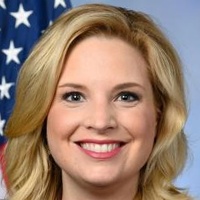
Ashley Hinson
Representative
IA
Ashley Hinson
Representative
IA
The Save Our Bacon Act establishes a federal right for producers to move and sell products derived from covered livestock across state lines, ensuring a single national market. This legislation prevents individual states from imposing unique production standards on livestock or products raised outside their borders. Essentially, it standardizes regulations to ensure free interstate commerce for meat and dairy products, excluding those primarily derived from egg-laying animals.
The PRIME Act exempts custom slaughter facilities from federal inspection requirements for meat distributed only within the state where it was processed, provided they comply with state law.
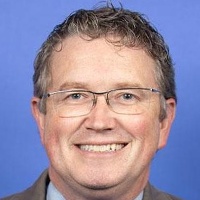
Thomas Massie
Representative
KY
Thomas Massie
Representative
KY
The PRIME Act, or Processing Revival and Intrastate Meat Exemption Act, exempts custom slaughter facilities from federal inspection requirements for meat that is processed and sold only within the state of origin. To qualify, facilities must comply with all applicable state laws regarding slaughter and preparation. This legislation ensures that states retain the authority to enforce their own, potentially stricter, regulations on local meat processing.
The SAVES Act establishes a VA pilot program to award grants to nonprofits providing service dogs and veterinary insurance to eligible veterans managing specific service-connected conditions.
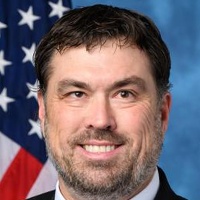
Morgan Luttrell
Representative
TX
Morgan Luttrell
Representative
TX
The SAVES Act establishes a Department of Veterans Affairs (VA) pilot program to award grants to nonprofit organizations that provide service dogs to eligible veterans. These grants, up to $\$2,000,000$ each, will fund the training and provision of service dogs for veterans with qualifying conditions like PTSD or TBI. The bill also extends the expiration date for certain limits on veterans' pension payments until February 2033.
This bill establishes the Agricultural and Rural Road Improvement Program to repair and upgrade local and rural roads crucial for farm access, safety, and economic efficiency.
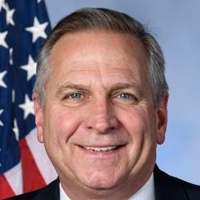
Mike Bost
Representative
IL
Mike Bost
Representative
IL
The Agricultural and Rural Road Improvement Program Act establishes a new federal program dedicated to repairing and improving critical local and rural roads essential for agriculture. This program aims to enhance access to farms and agricultural facilities, reduce weight-restricted bridges, and increase the safety and resilience of rural transportation networks. Federal funding for these projects will cover up to 90 percent of the total cost.